




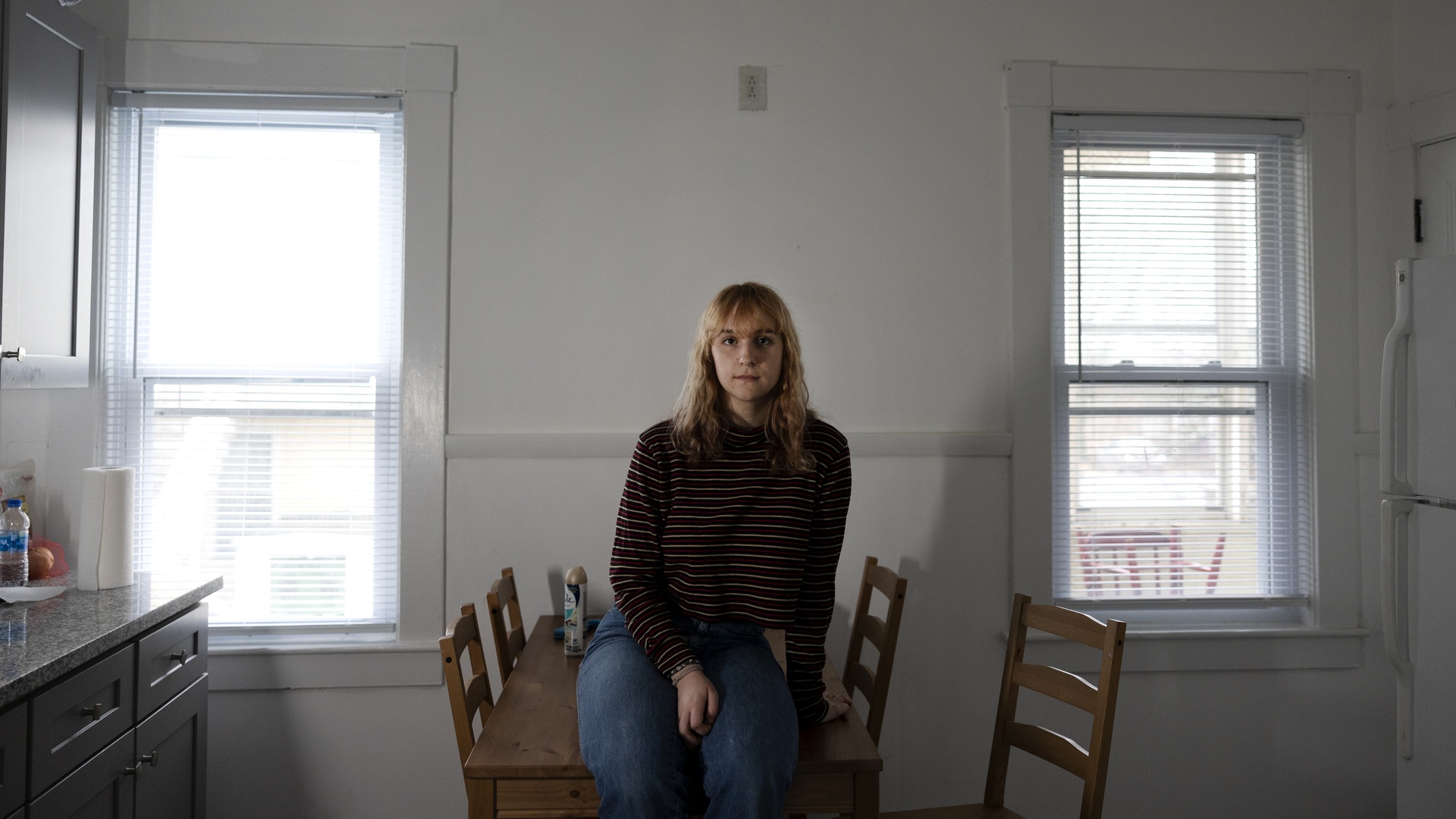
New polling shows a large share of Gen Z adults are choosing — or being forced — to spend their weekends at home. The Harris Poll’s Gen Z Weekend findings report that roughly three-quarters of Gen Z spend at least half of their weekends at home, with 73% saying “staying in has become my default weekend plan.” Many cite financial strain and the mental toll of loud, crowded social scenes as primary reasons; the survey also found that more than half of Gen Z adults report weekend loneliness, the highest rate of any generation.
Key findings from the survey
- About 28% of Gen Z respondents said they spend every weekend at home, 26% most weekends, and 20% about half.
- 73% agreed that staying in has become their default weekend plan.
- 68% said “going out these days isn’t worth the damage it does to my wallet,” and 62% avoid making plans to prevent financial regret.
- Roughly nine in 10 Gen Zers are actively opting out of nightlife staples: many avoid large group hangouts (39%) and loud, crowded places (38%).
- More than half of Gen Z adults report weekend loneliness — the highest of all generations surveyed.
Why Gen Z is staying home
The poll highlights two overlapping drivers: economic pressure and social preference (or avoidance). On the economic side, a combination of high rents, student debt, costlier nights out, and the broad inflationary pressures of recent years have made discretionary spending more fraught for younger adults. When a night out can mean several hours of spending on food, cover charges and rideshares, many Gen Zers say the perceived cost outweighs the benefit.
At the same time, traditional nightlife formats — loud bars, crowded clubs, alcohol-centered hangouts — are less appealing to many in this cohort. The preference is increasingly for lower-cost, lower-pressure ways to socialize: small-group hangouts, sober or wellness-oriented activities, and quieter public spaces.
Loneliness and mental-health consequences
Although Gen Z is the most digitally connected generation, poll respondents describe a striking mismatch: high connectivity but also high loneliness. Mental-health researchers and public-health agencies have repeatedly flagged worsening anxiety and depressive symptoms among young people in recent years. Sustained social isolation or repeated