

Overview
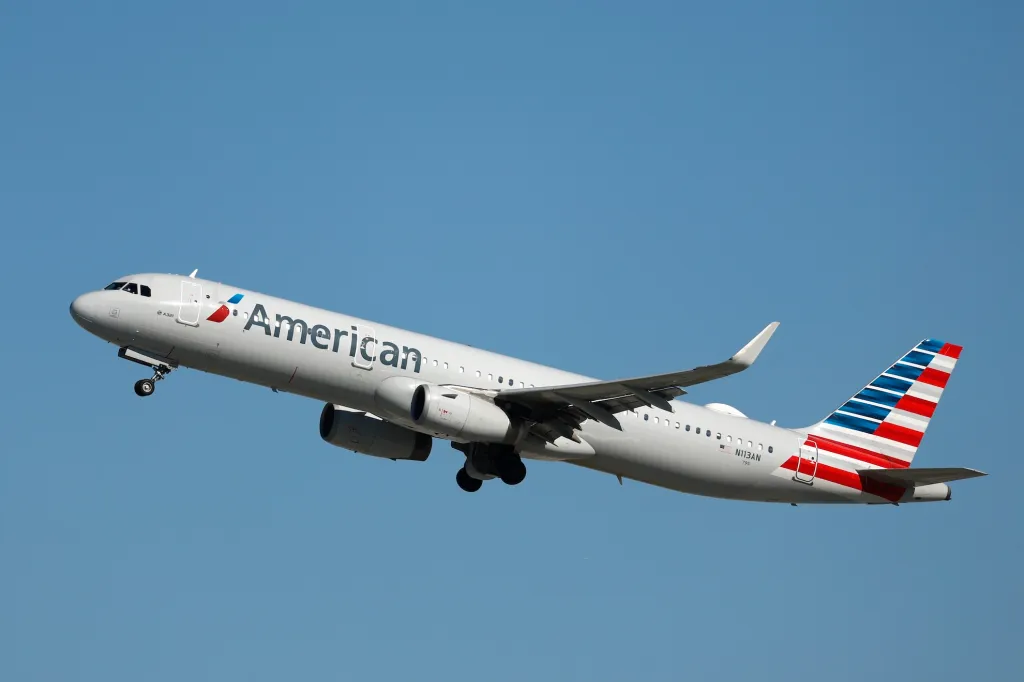
American Airlines announced it will install SpaceX’s Starlink satellite broadband on more than 500 Airbus aircraft, a major expansion of in-flight connectivity for one of the world’s largest carriers. The move is the latest commercial win for Starlink as SpaceX edges closer to a potential public offering, and it highlights how airlines are prioritizing high-speed connectivity as a core part of the passenger experience and a new source of ancillary revenue.
Why this deal matters
For travelers, better in-flight internet means more reliable streaming, video calls and real-time apps at cruise altitude — closer to the kind of connectivity many expect on the ground. For American Airlines, a large-scale Starlink deployment helps the carrier modernize its fleet, differentiate its product offering, and create opportunities for tiered, paid connectivity packages. For SpaceX, landing a contract on hundreds of aircraft strengthens Starlink’s credibility in the lucrative aviation market and adds a steady commercial customer as it builds toward broader commercialization goals.
How satellite connectivity has changed
The in-flight connectivity market has shifted quickly from ground-based air-to-ground systems and older satellite networks toward low-latency, high-throughput LEO (low-Earth orbit) constellations such as Starlink. LEO systems can offer lower latency and higher bandwidth than traditional geostationary satellites, opening up more interactive uses during flights. That technical advantage is a key reason airlines are exploring Starlink as an alternative or complement to incumbent providers.
Business implications for airlines and SpaceX
- Revenue mix: Airlines can monetize better connectivity through tiered pricing, bundled premium cabins, advertising and partnerships with content providers.
- Cost and retrofit considerations: Installing antennas and associated hardware requires aircraft downtime and integration work with avionics. The economics depend on installation cost, monthly service fees, expected uptake and ancillary revenue generated.
- Competitive positioning: As more carriers adopt high-performance satellite services, those who lag risk a weaker product offering — particularly on long-haul routes where passengers value reliable broadband.
- For SpaceX: Large airline contracts provide recurring revenue, scale adoption, and important reference customers ahead of continued commercial expansion and any future public-market activities.
Operational and regulatory points to watch
- Certification: Equipment must meet FAA and other aviation authority certification requirements. Airlines typically work with regulators and equipment vendors to validate safety and performance.
- Installation schedule: Rolling out systems to hundreds of aircraft will take months to years, depending on hangar availability and supply chain constraints for hardware.
- Network management: Airlines and service providers will coordinate how bandwidth is allocated across passengers, crews and operational systems, and how to maintain performance on peak flights.
What passengers can expect
Passengers should eventually see faster, more consistent Wi‑Fi with reduced buffering and lower latency — enabling better video streaming and interactive apps. Carriers often introduce new connectivity services in phases, testing offerings on selected routes or aircraft before broad rollout and experimenting with pricing models (free for some cabins, paid for others, or free messaging only).
Wider market context
The aviation connectivity market includes legacy providers that supply satellite or air-to-ground systems and newer entrants leveraging LEO constellations. Airlines will weigh the trade-offs among cost, performance, existing contracts and passenger expectations. Large-scale agreements like this signal growing confidence in LEO broadband for mobility applications beyond fixed consumer and enterprise markets.
Bottom line
American Airlines’ decision to outfit more than 500 Airbus jets with Starlink antennas is a substantive step toward a higher-connectivity standard in commercial aviation. It promises better passenger experiences and new commercial opportunities for both airlines and satellite broadband providers. Observers should watch implementation timelines, pricing approaches, and how competitors respond — all of which will shape the future of in-flight internet.
Sources and further reading
- Original announcement cited in the provided feed.
- Reporting and context on airline deals with Starlink and in-flight connectivity providers (see major business and tech outlets for updates on rollout and contracts).
- Background on LEO satellite broadband and aviation applications from industry analyses and regulator guidance.
Note: This article summarizes and analyzes the announcement and its business implications. For the latest, route- and schedule-specific details, consult carrier notices and official press releases as the retrofit progresses.