


General Mills announced this week that all of its U.S. cereal offerings are now produced without “certified colors” (also called synthetic color additives), marking a major step in the company’s multi-year reformulation effort. The company said 90% of its U.S. retail portfolio has completed the transition, with the remaining categories — including some fruit snacks and baking products — scheduled to be reformulated and free of certified colors by the end of 2027.
What the change covers
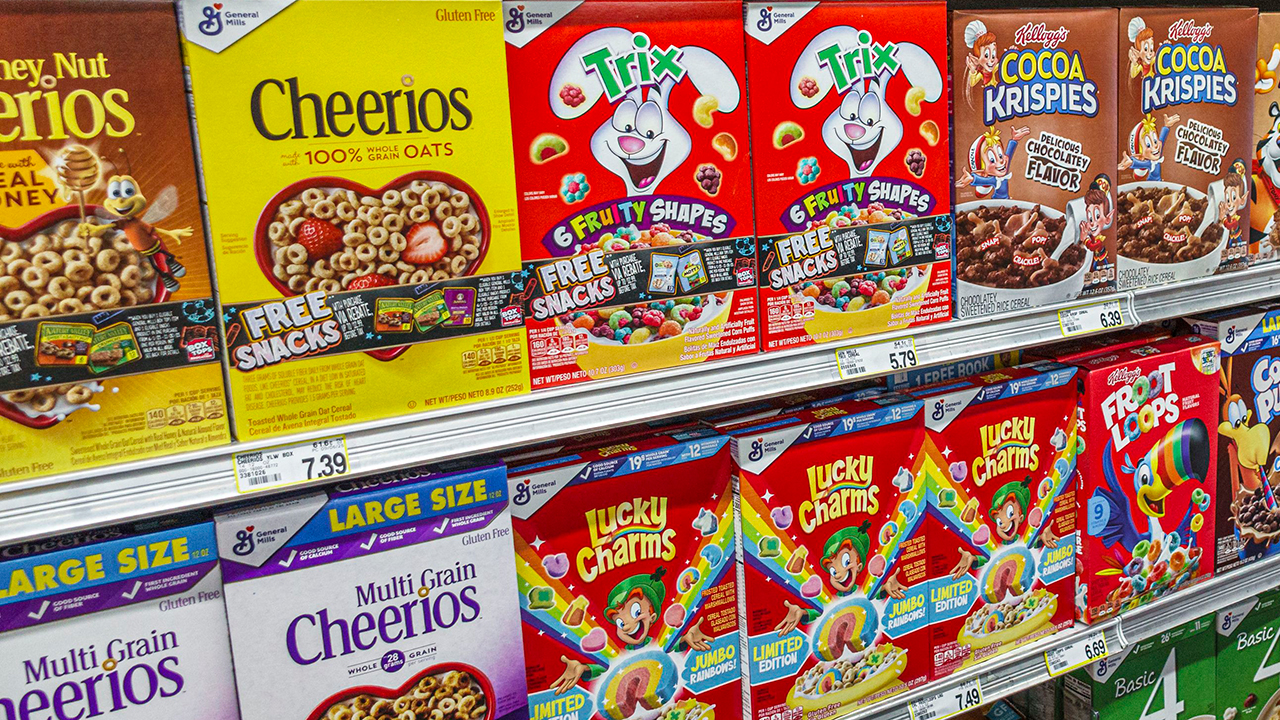
The move affects the company’s national cereal brands, including legacy names like Lucky Charms, Trix, Cheerios variants and Cocoa Puffs. General Mills has stated that the initiative is part of a broader effort to remove certified colors from its U.S. products and respond to shifting consumer preferences around ingredients and food transparency.
Why this matters — consumer demand and the company’s balancing act
For many food manufacturers, removing synthetic dyes requires reformulation work that can affect taste, texture, shelf life, and color vibrancy. General Mills previously experimented with removing artificial colors from cereals in the mid-2010s and then reintroduced a “Classic Trix” formulation after consumer demand for the original vibrant colors grew. That episode illustrates the tightrope companies walk between ingredient-cleanup efforts and nostalgia-driven consumer preferences.
Business and supply-chain implications
- Reformulation costs and sourcing: Replacing synthetic dyes with natural colorants (like plant-derived extracts) often raises ingredient costs and requires new supplier relationships and quality assurance steps.
- Scale advantages: As one of the largest cereal makers, General Mills can spread reformulation costs across large volumes and experiment at scale, putting smaller competitors under pressure to follow or differentiate.
- Pricing and margins: Higher input costs or altered manufacturing processes could put pressure on margins unless offset by pricing changes or productivity gains.
Regulatory and safety context
“Certified colors” (e.g., certain synthetic dyes) are regulated by the U.S. Food and Drug Administration. While FDA allows specific synthetic color additives, consumer groups and some international markets have pushed for reduced use of these ingredients. The broader trend toward ingredient transparency and cleaner labels is a key driver behind many reformulation efforts in the industry. For more on U.S. regulation of color additives, see the FDA overview: FDA — Color Additives.
Competitive landscape and market reaction
Major food manufacturers have been responding to consumer demand for simpler ingredient lists, with varying timelines and strategies. General Mills’ announcement may accelerate similar moves by competitors or prompt product-line segmentation (offering both “classic” formulations and cleaner-label alternatives). The company’s brand portfolio — which includes Betty Crocker and Pillsbury alongside its cereal lines — means the impacts on sourcing and formulation extend beyond breakfast to snacks and baking categories.
What consumers should know
- Check ingredient panels: Even as companies reformulate, ingredients vary by product and retailer. Consumers who want to avoid synthetic dyes should read labels where brands now often list “no certified colors” or similar claims on packaging.
- Expect variety: Brands may offer both “classic” and reformulated versions of certain products to meet different consumer preferences.
Sources and further reading
- General Mills newsroom: https://www.generalmills.com/newsroom
- Fox Business reporting on the announcement and industry context: https://www.foxbusiness.com/
- Food Business News background on cereal reformulations and industry trends: https://www.foodbusinessnews.net/
- U.S. Food and Drug Administration — Color Additives: https://www.fda.gov/industry/color-additives
As General Mills completes this phase of reformulation, the move is likely to shape ingredient decisions and marketing claims across the packaged foods sector. Consumers will see the effects both on store shelves and in brand choices as companies balance nostalgia, cost, and demand for cleaner labels.