


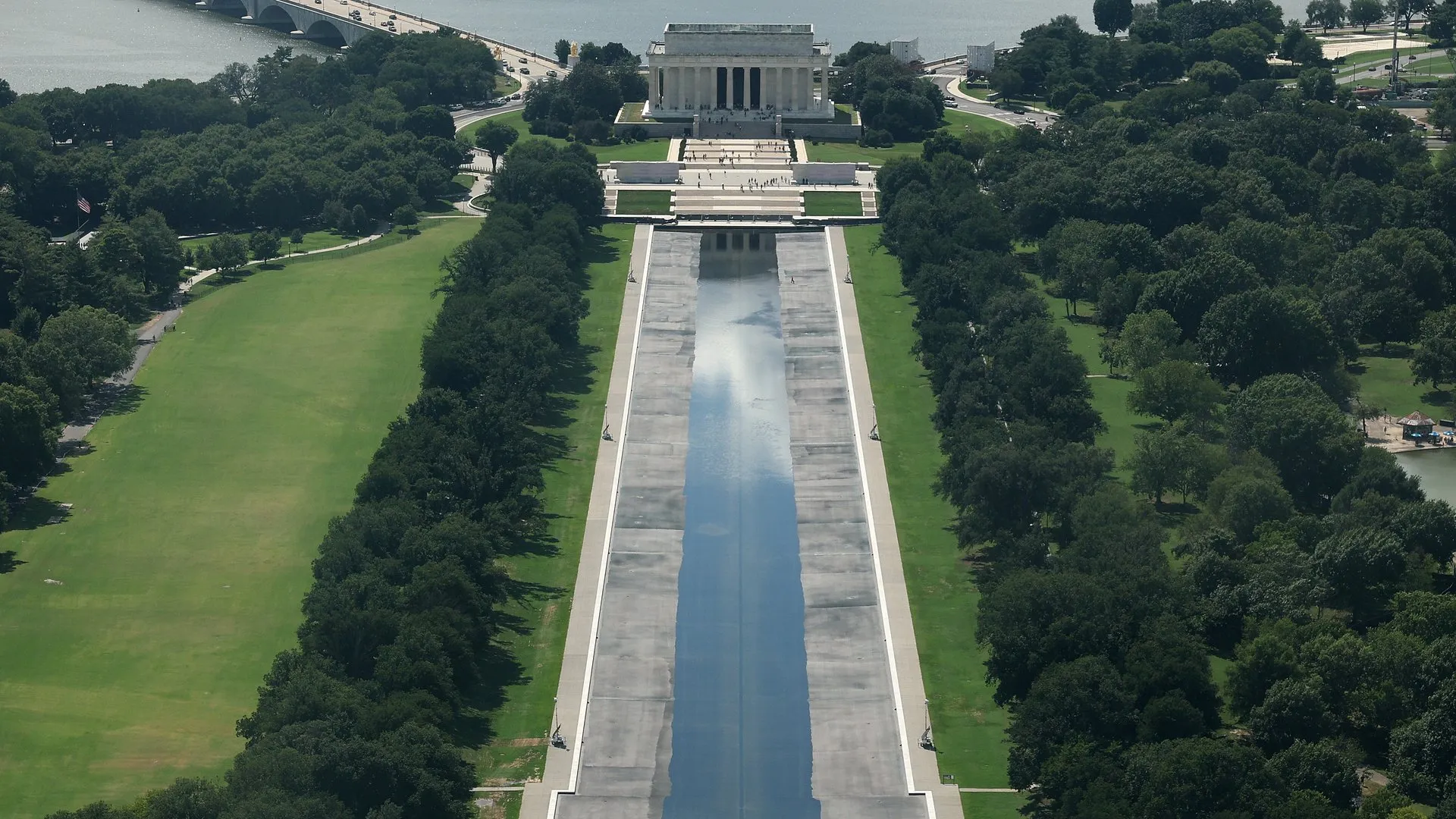
A drawn-out, controversial renovation of the Lincoln Memorial Reflecting Pool that saw a no-bid contract, visible coating failures and a criminal prosecution later dismissed has escalated into a political confrontation that could affect the tenure of the United States Attorney for the District of Columbia.
What happened
The controversy began after the Interior Department hired Atlantic Industrial Coatings on a no-bid basis to renovate the Reflecting Pool. The project ballooned far beyond initial estimates and timelines, and visitors and photographers soon noticed algae blooms and peeling or torn protective lining in the pool basin. That damage led to criminal arrests: among them, David Hearn, a three-time Olympic canoe slalom competitor, was charged with felony destruction of property after he was seen interacting with a partially detached liner during a bike ride.
Prosecution dropped; bureau chief under scrutiny
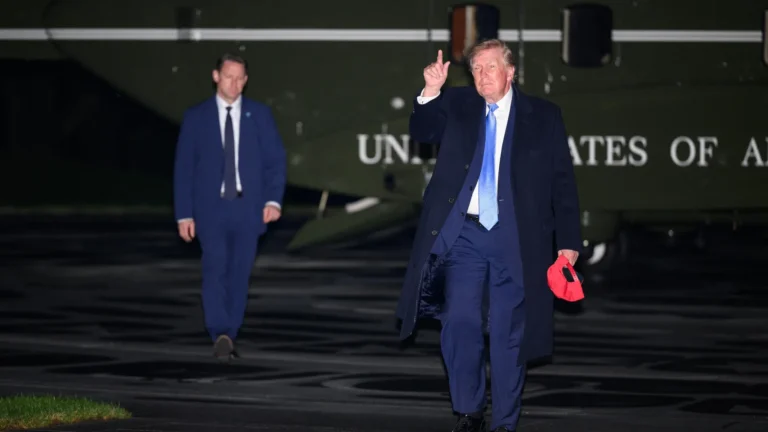
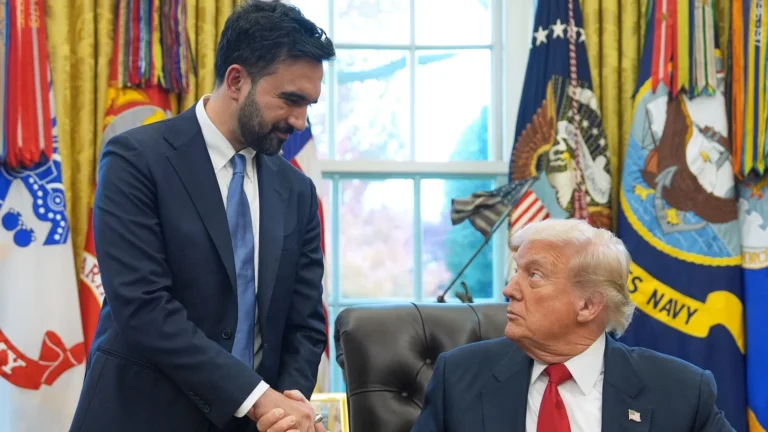
In late July, the Justice Department moved to dismiss the felony case against Hearn. The U.S. Attorney for the District of Columbia, Jeanine Pirro, filed a court memo concluding that the damage was consistent with a “botched installation” rather than deliberate vandalism, citing information provided by the Interior Department about installation delays, weather and testing failures. The dismissal prompted criticism from President Donald Trump, who publicly said he disagreed with Pirro and questioned whether she should remain in her post after the filing.
Timeline of key developments
- Late March: President Trump publicly described the Reflecting Pool as “absolutely filthy” and signaled administration attention to the site.
- Early April: The Interior Department hired Atlantic Industrial Coatings on a no-bid contract, a decision that drew scrutiny.
- May: The Cultural Landscape Foundation filed suit arguing the basin work deviated from design protections for the National Mall.
- June: After completion was announced, the pool experienced algae blooms and visible peeling of the new coating; David Hearn was arrested and charged after being photographed interacting with loose material.
- Late July–early August: The DOJ moved to dismiss charges; a federal judge subsequently dismissed the criminal case against Hearn. The case’s dismissal and the reasoning in the DOJ filing drew public rebukes from the president and prompted questions about Pirro’s future.
Why this matters
At surface level, the episode is about a botched renovation and how government contracting and project rushes can produce visible public failures. At a deeper level it raises issues about political pressure on federal prosecutors and the independence of the Justice Department.
The U.S. Attorney’s Office for the District of Columbia handles a mix of local prosecutions and high-profile federal matters unique to the nation’s capital. That makes the office especially sensitive to political scrutiny; decisions by the D.C. U.S. Attorney often attract national attention. When a president publicly questions or threatens to remove a chief federal prosecutor over the outcome of a local prosecution, it can fuel concerns about politicization of prosecutorial decision-making.
Contracting and accountability questions
The authorities’ decision to award a no-bid contract and the subsequent operational problems at the Reflecting Pool have also renewed scrutiny of procurement practices, scheduling decisions tied to national events, and quality control on public works. Plaintiffs and preservation advocates argued the basin alteration conflicted with the National Mall’s design intent; contractors and some agency officials acknowledged weather, supply and testing setbacks.
What to watch next
- Whether the White House or the Justice Department announces any personnel changes regarding the U.S. Attorney for the District of Columbia;
- Federal filings on whether the Hearn dismissal is with or without prejudice, which would determine if the government could refile charges;
- Investigations or oversight inquiries into the no-bid contract, project management and the Interior Department’s handling of documentation related to the installation.
Context and analysis
The episode illustrates how infrastructure projects, prosecutorial discretion and executive politics can intersect. The U.S. Attorney’s assessment that evidence supported a finding of faulty installation rather than intentional destruction underscores how prosecutorial judgments rely on technical and documentary evidence beyond initial appearances. At the same time, the public rebuke by a sitting president emphasizes the political stakes that can follow in high-visibility matters.
For DOJ independence, the case serves as a reminder that public and private pressures—from social media and presidential comments to preservationist lawsuits and contractor disputes—can all shape public perception of prosecutorial choices. The long-term ramifications will depend on any personnel moves, the final disposition of the dismissed charges and whether oversight reviews of procurement and project management identify clear administrative failures.
Sources
- Reporting in The Washington Post (coverage of Hearn’s arrest and statements) — Washington Post
- Analysis and timeline coverage reported by NBC News — NBC News
- Court filing and dismissal reporting from The Hill — The Hill
- Courthouse News reporting on the federal judge’s dismissal — Courthouse News
- Cultural Landscape Foundation statement and litigation — The Cultural Landscape Foundation
- Legal and institutional role of the U.S. Attorney’s Office for the District of Columbia — U.S. Department of Justice
- Social posts and official statements from President Trump and Interior Department officials (as reported publicly) — Truth Social, U.S. Department of the Interior
If oversight inquiries or DOJ personnel announcements follow, those developments will clarify whether this episode prompts internal changes at federal agencies or remains a contested episode in an already politicized national conversation.