


What happened in Denver
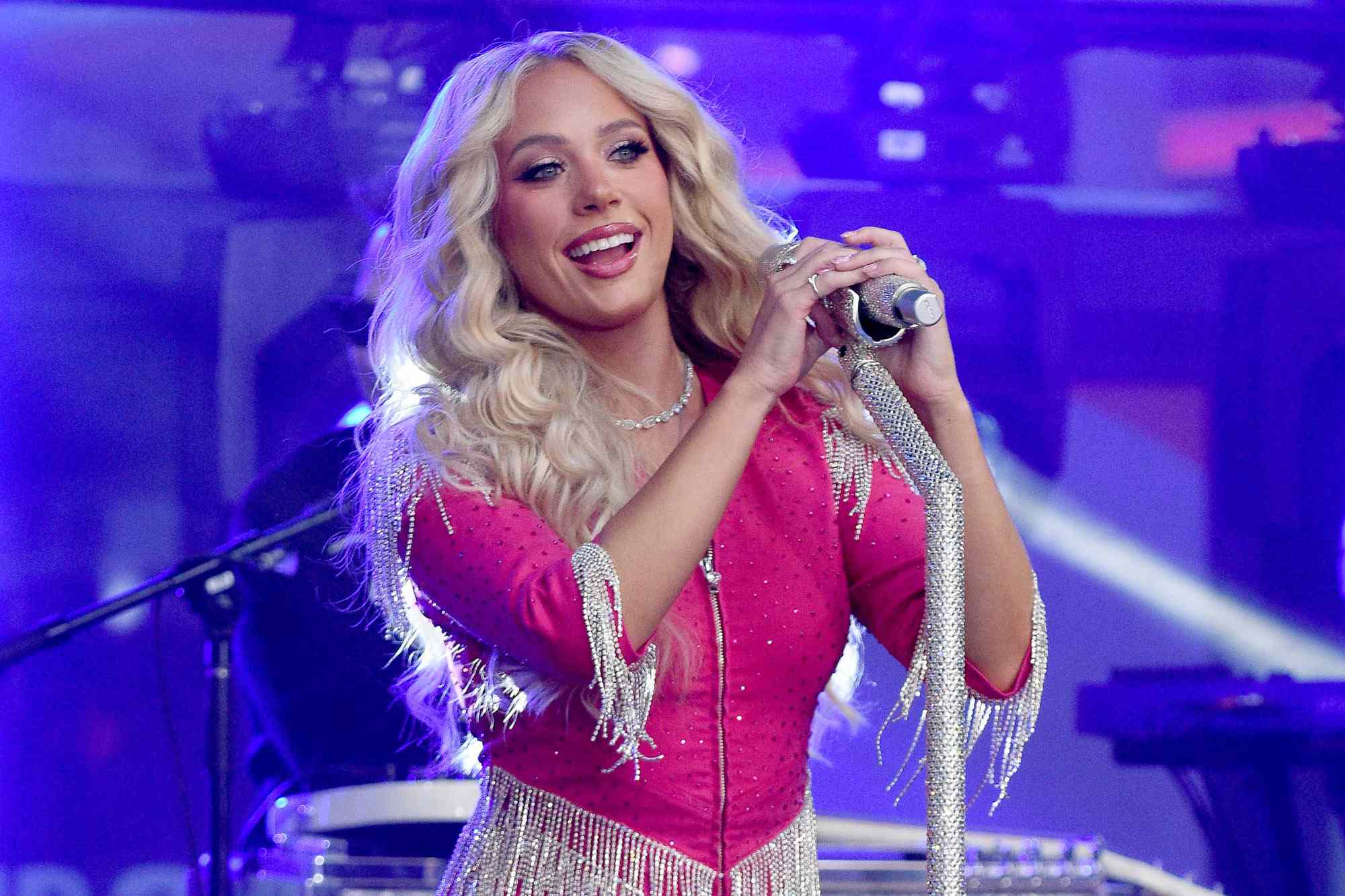
During a July stop at Ball Arena in Denver, a rising country artist cut her set short after only a few songs, telling the crowd she was “extremely sick” and could not continue. Video from inside the venue captured her speaking through a hoarse voice as she apologized to fans, said she would “make it up to you guys,” and left the stage in tears. The show was later rescheduled for Aug. 27 at the same arena.
Immediate fan reaction — and how the night kept going
Initial boos gave way to supportive cheers as the singer became emotional onstage and in an Instagram Story afterward, where she reiterated that she would never deliver a show that wasn’t “100%.” Rather than heading home, many ticket-holders nearby reportedly crossed the street to attend an AC/DC concert happening the same night — a mix of styles many described online as “the weirdest best night ever.”
Why this matters for the artist and touring ecosystem
For artists at this level — with multiple RIAA-certified releases and a recent No. 1 album on the Billboard 200 — live performances are a major revenue source and a critical way to maintain momentum with fans. Still, vocal strain and illness are common occupational hazards for singers on the road. Opting to cancel a show mid-set is a high-emotion decision that balances duty to fans against the risk of causing longer-term harm to the vocalist.
From a business and operational standpoint, last-minute cancellations force venues, promoters, and fan services to coordinate refunds, rescheduling, and communication — and they can affect local traffic patterns and adjacent events, as fans choose alternate plans (in this case, crossing over to another major concert on the same night).
Social media and reputation management
The immediate apology — both onstage and on social platforms — matters. Fans tend to respond with a mix of frustration and empathy; visible remorse and a commitment to reschedule or make amends frequently reduce long-term reputational damage. In this instance, the artist’s pledge to return and the subsequent rescheduling for late August are likely to mitigate disappointment and preserve goodwill.
What fans and ticket-holders should know
- If you held a ticket to the canceled performance, check official outlets for refund or exchange policy for the rescheduled date.
- Follow the artist’s verified social accounts and the venue’s official channels for confirmed updates rather than relying solely on social posts from attendees.
- When artists cancel due to illness, rescheduled dates are the most common remedy; keep purchase receipts and ticket account information handy to ease the process.
Broader context: touring demands and fan culture
The crossover of fans to a neighboring AC/DC show highlights two realities of contemporary live-music culture: large entertainment districts can create improbable, memorable collisions of genres, and many concertgoers now treat live nights as an overall experience rather than a single-act commitment. For promoters and artists, that mobility among nearby events can be both an opportunity and a challenge.
Takeaway
Sudden cancellations are painful for artists and fans alike. In this case, a prompt apology, transparent explanation, and a rescheduled date helped limit fallout — and left attendees with an unexpected story: a country concert cut short and a spontaneous migration to one of rock’s biggest acts down the street. For fans planning to attend future shows, the episode is a reminder to monitor official channels for real-time updates and to prepare for the practicalities of refunds or exchanges when performances are postponed.
Sources & further reading
- Entertainment Weekly (reporting on the Denver concert and artist statements)
- Billboard (charts and album performance context)
- Recording Industry Association of America (RIAA) (certification standards)
- AC/DC (official site) (tour and concert context for the nearby show)
- TikTok (platform where attendees shared their reactions)
- Artist’s public social posts (Instagram updates and stories from the night in question)