


Summary
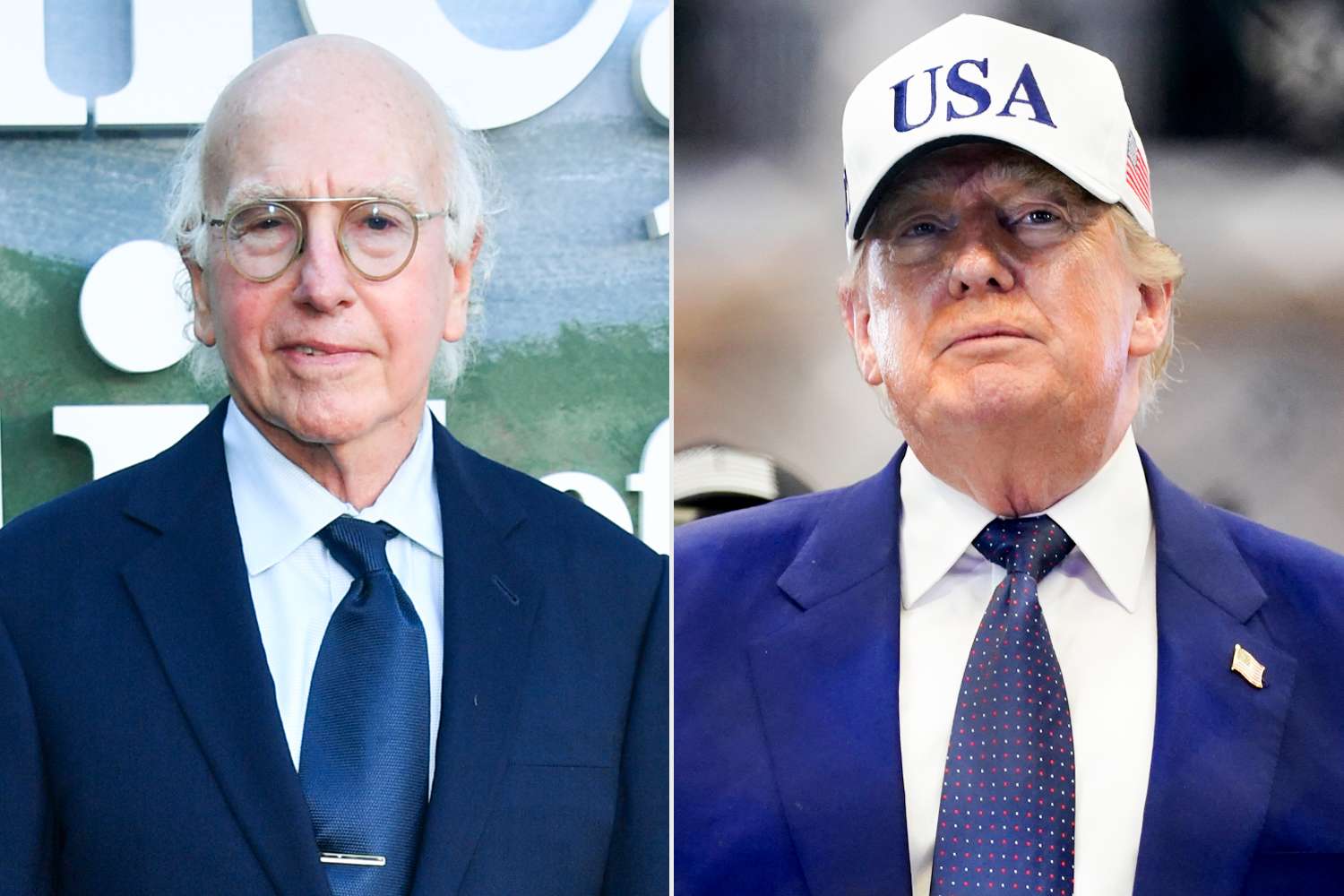
On the heels of the controversial UFC Freedom 250 event staged on the White House lawn, several high-profile entertainers voiced sharp criticism. Among them, comedian Larry David told Variety he was “embarrassed to be an American,” calling the spectacle a “travesty.” The event — held on the president’s birthday and promoted by UFC leadership — generated immediate backlash after a post-fight interview included a derogatory comment about Michelle Obama. The fallout has become a cultural flashpoint, drawing responses from performers, late-night hosts and social media users.
What happened
UFC Freedom 250 took place on June 14, 2026, on the South Lawn of the White House. The event was promoted as a celebration tied to the country’s 250th anniversary and was publicly supported by the president and UFC CEO Dana White. In a widely criticized post-fight interview, fighter Josh Hokit used a vulgar phrase to praise the event and then said, “Michelle Obama is a man. Am I right, America?” That remark intensified the controversy around the event and shifted much of the coverage toward the appropriateness of staging a commercial combat-sports show at the executive mansion and the use of the platform to amplify hateful rhetoric. (Coverage and images of the event were carried by multiple outlets, including Reuters and Associated Press.)
Celebrity and cultural reaction
Responses from the entertainment community were swift and scathing. Larry David told Variety that the event was “embarrassing” and a “travesty,” and said he was ashamed to be American over the spectacle. Musicians and comedians — among them Sheryl Crow and Jimmy Kimmel — publicly condemned both the event and the fighter’s comments. Kimmel described the scene as akin to “a mini January 6” and lambasted the overall tone and presentation. Social platforms also filled with criticism, with commentators questioning the propriety of a political residence hosting a pay-per-view–style bout and condemning the migrant of hateful speech into mainstream spectacle.
Why this matters in pop culture
- Blurring of entertainment and official government space: Staging a commercial fight promotion at the White House brings an unprecedented level of commercial spectacle into an institution traditionally expected to represent national civility. Critics argue this lowers the tone of public presidential events and normalizes the use of official grounds for partisan or commercial ends.
- Platforming harmful rhetoric: A fighter’s slur about a former first lady amplified long-standing debates about the amplification of misogyny, transphobia and misinformation in live-event environments — and what responsibilities promoters, venues and public officials hold in preventing it.
- Celebrity accountability and influence: High-profile entertainers speaking out — as Larry David did — highlights how celebrity voices can shape public discourse, steer media narratives and sway sponsor and audience responses.
Implications for the UFC, sponsors and the White House
The reputational fallout could force corporate sponsors, broadcast partners and the UFC to re-evaluate association with events that provoke public and political backlash. For the White House, allowing a divisive commercial spectacle on the grounds may lead to increased scrutiny about event approvals and messaging. In prior high-profile controversies where celebrity backlash gained traction, companies and organizers often faced rapid public-pressure–driven consequences — from advertiser pullouts to internal reviews — which could play out here as well.
Where this story may go next
Watch for official responses and clarifications from the UFC and the White House, potential disciplinary action from athletic commissions (if applicable), and how sponsors react in the coming days. Additionally, as commentators continue to debate the cultural meaning of the event, late-night shows, podcasts and social-media influencers will likely drive further coverage and analysis.
Context and related entertainment items
Separately, Larry David is releasing a sketch series that looks at U.S. history through his satirical lens; reports indicate the series includes appearances by notable figures and high-profile producers. That release — and David’s public comments about the White House event — underscore how entertainers are simultaneously creators of culture and critics of civic spectacle.
Sources
- Variety — report and interview excerpts with Larry David
- Reuters — coverage and photo dispatches from the event
- Entertainment Weekly (EW) — entertainment reaction and coverage
- CNN — analysis on political and cultural implications
- The New York Times — reporting on White House events and public response
Note: quotes and immediate reaction in this piece are drawn from contemporaneous reporting by the outlets cited above. Readers should watch for follow-up reporting and official statements that may add new details or context.