



Overview
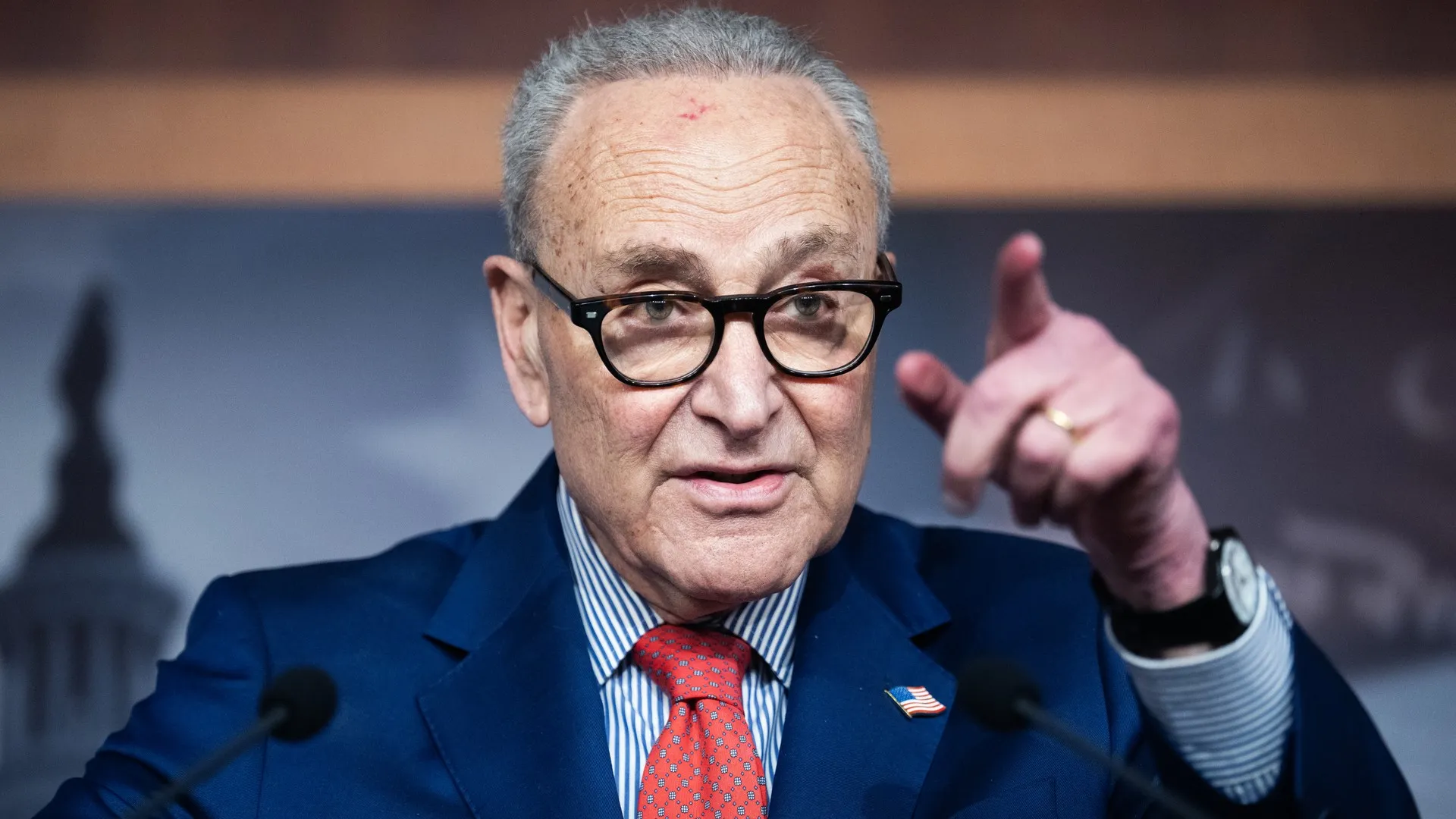
Senate Democrats have launched a coordinated effort to prevent the Trump administration’s proposed nearly $1.8 billion “anti-weaponization fund” from being established and receiving any payouts. In a “Dear Colleague” letter, Minority Leader Chuck Schumer outlined plans to use amendments, procedural fights, and targeted legislation to stop the fund, which was created as part of a settlement tied to former President Trump’s litigation over leaked tax returns.
What Democrats are doing
- Senate Minority Leader Chuck Schumer circulated a party-wide letter promising to use reconciliation amendments, floor action, and appropriations fights to block disbursement of the fund.
- Senators Adam Schiff, Mark Kelly and Elissa Slotkin introduced legislation dubbed the “Drain the Slush Fund Act,” intended to bar taxpayer dollars from flowing to political allies of the former president and others they say were targeted with politically motivated investigations.
- Democrats have signaled they will pursue every parliamentary and legislative avenue available in the Senate and in appropriations processes to stop payouts if Republicans attempt to implement the settlement.
Background on the fund and legal challenges
The so-called “anti-weaponization fund” stems from a settlement tied to litigation between then-President Trump and the Internal Revenue Service regarding leaked tax materials. Under the settlement terms announced by the Justice Department, a fund would be administered to compensate individuals who claim they were targeted by a “weaponized” justice system. The Justice Department did not publicly lay out detailed criteria for evaluating claims at the time of the announcement.
Legal challenges and objections to the settlement and fund mounted quickly. Retired federal judges sought to reopen aspects of the related lawsuit, former Capitol Police officers filed suit to block the fund, and at least one senior Treasury Department lawyer reportedly resigned in protest after the settlement was announced. A federal judge temporarily blocked the creation of the fund as litigation over the underlying settlement continued.
Political dynamics and hurdles
With Republicans holding the Senate majority, Democrats’ ability to stop the fund on the floor is limited; however, Schumer’s strategy appears designed to force political costs and public scrutiny on GOP leaders who support implementing the settlement. Tactics Democrats could use include:
- Attaching amendments to reconciliation or other must-pass legislation that would prohibit fund disbursements.
- Using procedural motions to force public debate and place Republican senators on record.
- Pushing appropriations riders or language to withhold funds or bar the Justice Department from spending on implementation.
Legal landscape
Court rulings will play a major role in whether the fund can be created and when any payouts might occur. The temporary judicial block and related reopened litigation over the IRS dispute create legal uncertainty that could delay or derail implementation even if political obstacles are cleared. If courts ultimately uphold the settlement and authorize the fund, the dispute could shift from preliminaries and process fights to how claims are evaluated and who qualifies for compensation.
Why it matters
Beyond the immediate question of whether any corporate or taxpayer dollars will be paid from this fund, the debate touches on broader issues: the separation of powers when settlements intersect with executive discretion, legislative oversight of DOJ spending, the politicization of federal institutions, and accountability mechanisms when public officials claim they were targeted. The clash also underscores how litigation outcomes can have sweeping public policy implications when tied to federal settlements that create large pots of money.
What to watch next
- How Republican Senate leaders respond to Schumer’s push and whether GOP allies craft legislative language to defend or modify the settlement.
- Developments in litigation over the settlement and any appeals from parties challenging the fund’s legality.
- Further communications or press releases from the Justice Department, Treasury Department, and the offices of the senators involved that clarify administration intent and legal rationale.
Sources and further reading
- Senate Minority Leader Chuck Schumer — official site: https://www.schumer.senate.gov/
- Sen. Adam Schiff — official site: https://www.schiff.senate.gov/
- Sen. Mark Kelly — official site: https://www.kelly.senate.gov/
- Sen. Elissa Slotkin — official site: https://www.slotkin.senate.gov/
- U.S. Department of Justice — press releases and statements (search): https://www.justice.gov/
- Reuters — recent reporting and searches on this topic: https://www.reuters.com/
- AP News — related coverage (search): https://apnews.com/
Note: This article summarizes public statements, pending legislation, and active litigation as reported by the offices of involved senators and major news organizations. Watch official filings and court orders for definitive legal developments.