



Final bow for a late-night institution
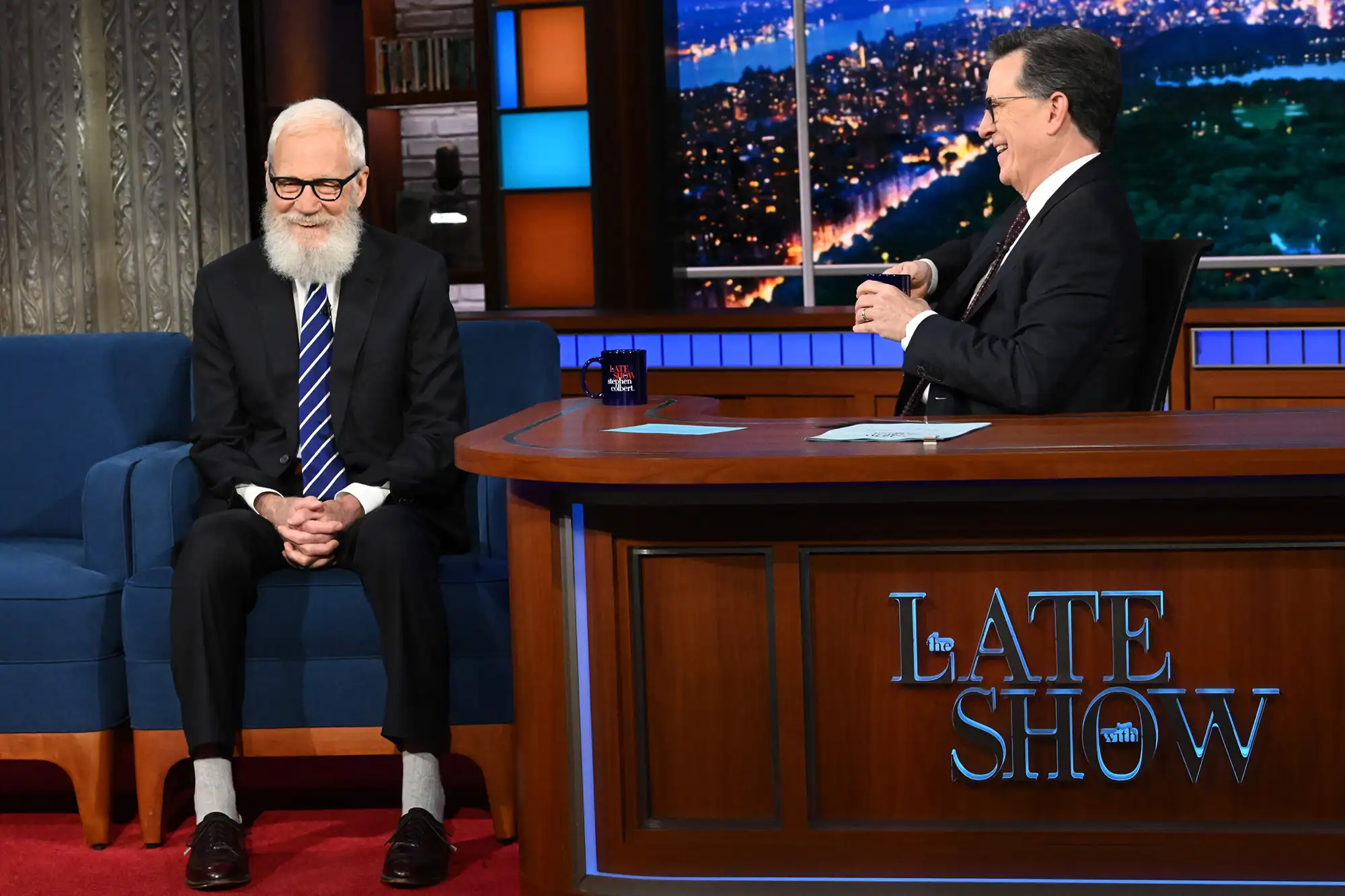
David Letterman returned to The Late Show this week for an emotional and mischievous sendoff as Stephen Colbert prepares to close out the franchise on CBS. The appearance carried extra weight: Letterman launched The Late Show in 1993, hosted it for 23 seasons, and passed the desk to Colbert in 2015. Now, with CBS ending not just Colbert’s run but the entire Late Show brand, Letterman’s visit felt less like a guest spot and more like the closing chapter of a television institution.
During the episode, Letterman mixed gratitude, sarcasm, and criticism in a way longtime viewers would instantly recognize. He joked about being “fired” by CBS backstage, praised Colbert’s stewardship of the theater, and revived his old anti-corporate streak by turning a bit of set destruction into a symbolic jab at the network. The comic vandalism was funny on its face, but it also underscored a real tension surrounding CBS’s decision to sunset one of the most recognizable franchises in American television.
Why the end of ‘The Late Show’ matters
CBS has said the move is financial, not editorial. In its public statement, the network described Colbert as “irreplaceable” and said the decision was driven by the economics of late-night television rather than the show’s content or performance. That explanation tracks with the larger industry reality: traditional late-night TV is operating in a drastically changed media environment, one shaped by cord-cutting, falling ad revenue, and the migration of younger audiences to YouTube, TikTok, streaming platforms, and podcasts.
Still, the cancellation has fueled skepticism. Some observers have questioned whether corporate reshuffling tied to Paramount Global and Skydance Media may have played a role in the network’s appetite for controversy. Letterman himself has publicly challenged the official explanation, arguing that Colbert’s voice and political sharpness may have made him inconvenient in a volatile media landscape. While no definitive evidence has emerged to overturn CBS’s stated rationale, the broader suspicion reflects a deepening public mistrust of corporate messaging in entertainment and news alike.
The bigger trend: late night under pressure
The end of The Late Show is not an isolated event. Across the television industry, legacy formats are being forced to justify themselves in an era where virality often matters more than linear viewership. Late-night shows once thrived as cultural meeting places, shaping political conversation, celebrity branding, and next-day office chatter. Today, audiences are more fragmented, and a single monologue clip may travel farther on social media than the full broadcast ever could on television.
That shift has changed the economics of the format. According to recent reporting from major entertainment and business outlets, studios and networks have been trimming costs, rethinking production models, and reducing episode counts across talk and variety programming. Even well-known hosts with loyal audiences now operate under financial pressure that would have been hard to imagine in the broadcast-dominant era.
Colbert’s final stretch and the response from peers
Colbert’s closing weeks have become a celebration of both his own run and the broader late-night community. Fellow hosts including Jimmy Fallon, Jimmy Kimmel, Seth Meyers, and John Oliver have rallied around him, reviving the camaraderie of their “Strike Force Five” collaboration from the 2023 writers’ strike. Their reunion serves as a reminder that while hosts compete for bookings and ratings, they also share the same economic and creative pressures reshaping the medium.
Colbert has publicly acknowledged the shock of the cancellation while keeping his focus on the remaining episodes. That combination of professionalism and visible disappointment has resonated with viewers, especially because The Late Show remained a central platform for political satire, celebrity interviews, and cultural commentary. In many ways, the farewell has highlighted what the show still did well, which makes its ending feel all the more abrupt.
What comes next for late-night television?
The bigger question is not simply what replaces Colbert on CBS, but whether broadcast television will continue to invest in this kind of nightly cultural programming at all. Networks are increasingly drawn to cheaper unscripted formats, sports rights, and streaming-focused strategies that can generate stronger returns. Late night may survive, but likely in leaner, more digital-first forms.
That is why Letterman’s appearance landed as more than nostalgia. It was a live reminder of what late-night television once represented: a host with a singular voice, a loyal audience, and enough institutional backing to build a shared national conversation night after night. As the franchise signs off, viewers are left to wonder whether television will create anything quite like it again.
Sources
Entertainment Weekly
The New York Times
CBS – The Late Show with Stephen Colbert
GQ