

Pet food recall draws fresh attention to food safety oversight
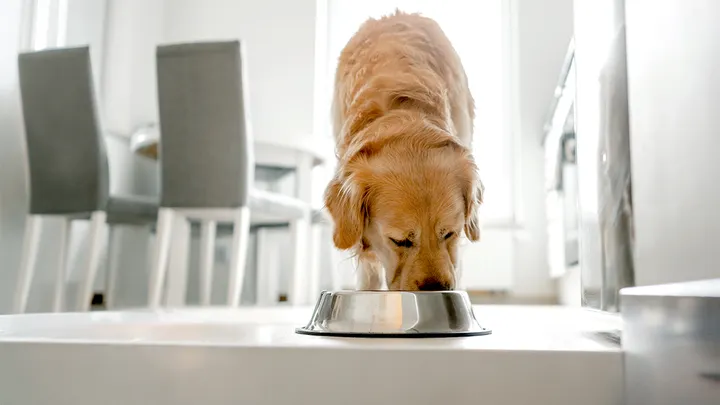
An Indiana pet food company has voluntarily recalled a dog food product sold nationwide after testing indicated possible salmonella contamination, underscoring how food safety risks can quickly extend beyond human grocery shelves and into the pet food market.
According to Fox Business, Albright’s Raw Pet Food of Fort Wayne is recalling one lot of its Chicken Recipe for Dogs Complete and Balanced product. The action followed routine sampling by the U.S. Food and Drug Administration, which found a composite sample that tested positive for salmonella. The official recall notice is also posted by the FDA here.
What was recalled
The recalled product was sold as frozen 1-pound bricks in clear vacuum packaging and typically distributed in 30-pound cases. The company said the affected lot was sold directly to consumers across the country, as well as through select retailers in California, Massachusetts, North Carolina, New York, South Carolina, and Wisconsin.
At the time of the recall announcement, no illnesses tied to the product had been confirmed. Even so, consumers were urged not to feed the food to pets and to discard it securely so children, animals, and wildlife cannot access it.
Why salmonella in pet food matters
Salmonella contamination in pet food is not just an animal health issue. The Centers for Disease Control and Prevention notes that people can become infected by handling contaminated pet food or touching surfaces exposed to it, even if they never consume the product themselves. Pets can also carry the bacteria and spread it in the household while appearing healthy.
This is especially relevant for raw pet food products, which have long faced greater scrutiny from regulators and veterinarians because uncooked ingredients can carry pathogens. The American Veterinary Medical Association has warned about microbial risks associated with raw animal-source protein diets, while the FDA advises consumers to handle pet food with the same caution they would use for raw meat intended for human meals.
A broader trend in recalls and consumer trust
This recall lands at a time when product safety remains a major issue across the food and consumer goods economy. In recent months, regulators and manufacturers have announced multiple recalls tied to contamination risks, allergens, and production concerns. The pet food industry, in particular, operates in a difficult environment where consumer demand for minimally processed and specialty diets is rising, but so is pressure to maintain strict testing and supply-chain controls.
From a business standpoint, recalls are costly in more ways than one. They create immediate logistical burdens, including returns, refunds, public notification, and additional testing. Longer term, they can damage brand credibility in a market where trust is central to purchasing decisions. Pet owners often see food choices as directly tied to family wellbeing, which means brands in this sector can face reputational fallout even when no illnesses are reported.
What consumers should watch next
For now, the recall appears limited to one lot, and Albright’s Raw Pet Food says it is conducting further investigation, including third-party laboratory testing, to better understand the finding. Consumers should continue checking product lot information against the FDA notice and monitor updates from both the company and federal regulators.
The episode also serves as a reminder that food safety enforcement is increasingly proactive rather than purely reactive. In this case, the recall followed routine sampling, not confirmed consumer illnesses. That matters because it shows how surveillance systems are designed to catch contamination before a wider public health problem develops.
The bigger picture
Although this story centers on one recalled dog food product, it reflects a much larger reality in the modern consumer economy: transparency, testing, and rapid response now define responsible brand management. Companies that move quickly may still face scrutiny, but delayed action in the age of national distribution and online sales can turn a contained issue into a far more serious crisis.
As regulators continue tightening oversight and consumers grow more attentive to ingredient sourcing and product integrity, recalls like this one are no longer isolated business events. They are signals of how fragile supply chains can be, and how important it is for companies to pair marketing claims about quality with systems that can verify safety at every step.
Sources:
Fox Business report on the recall
FDA recall announcement
CDC salmonella information
FDA pet food safety guidance
American Veterinary Medical Association on raw pet food risks