



Kelly Clarkson heads back to primetime
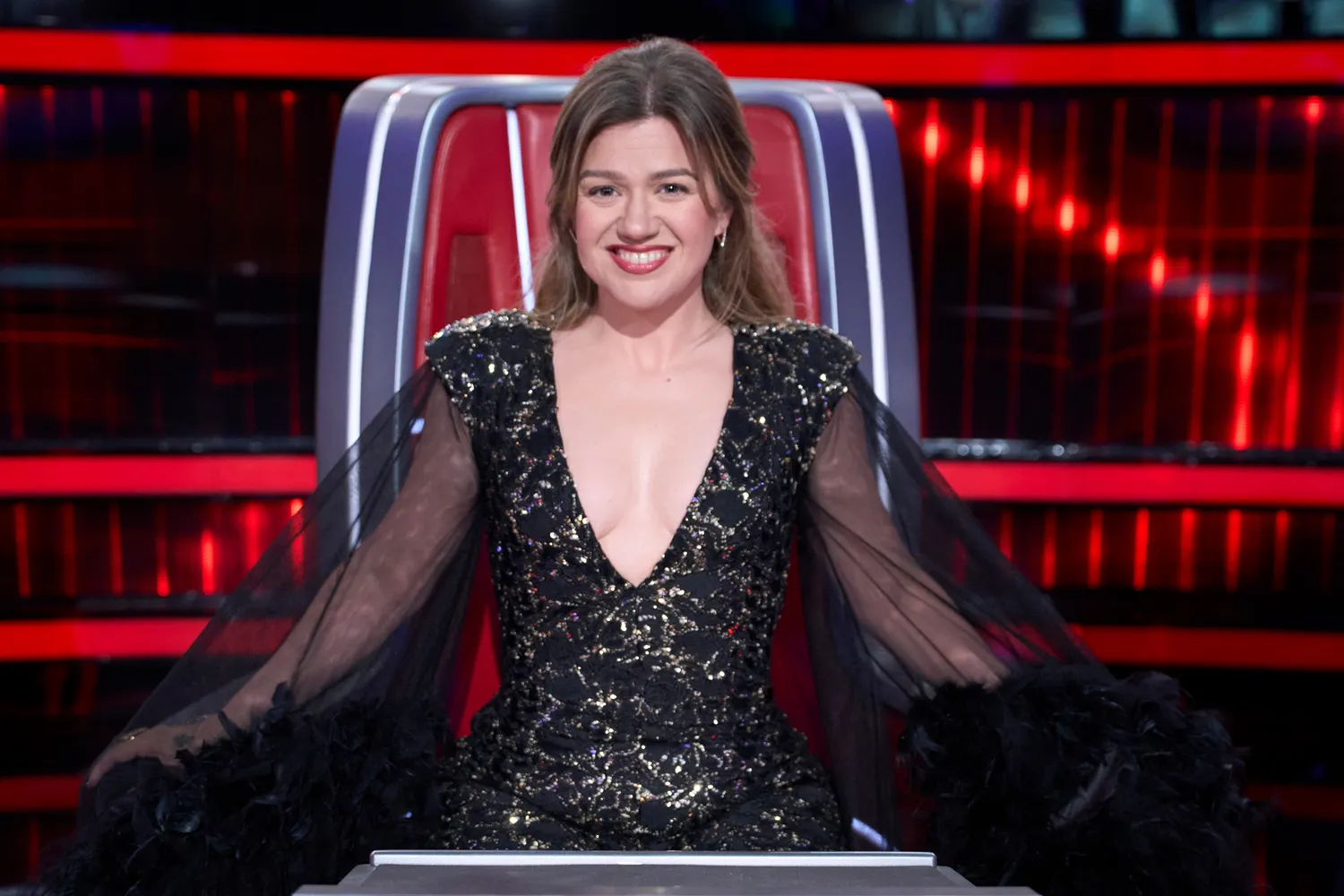
Kelly Clarkson is officially returning to The Voice as a coach for season 30, marking a major next chapter for the singer and television personality after confirming that The Kelly Clarkson Show will end after its seventh season. NBC announced Clarkson’s return alongside fellow coach Adam Levine, with the new season expected to premiere this fall. The development quickly became one of the biggest entertainment stories of the week because it ties together two major shifts in Clarkson’s public career: stepping away from daytime TV while re-entering one of network television’s most recognizable reality franchises.
According to Entertainment Weekly, Clarkson’s return comes just months after she announced that her talk show would conclude despite performing well. In earlier public comments, she explained that the decision was tied more to family priorities than ratings or creative decline. NBC also promoted the move on the show’s official platforms, signaling that the network sees Clarkson as a key part of the franchise’s next era.
Why this matters for NBC and for Clarkson
Clarkson is not just another celebrity coach. She has been one of The Voice’s most successful and popular personalities, known for blending humor, emotional investment, and strong mentoring instincts. Her return gives NBC a familiar face at a time when long-running competition shows increasingly depend on nostalgia, loyalty, and recognizable talent to keep audiences engaged.
From a programming standpoint, the move also reflects a wider broadcast strategy. Legacy TV brands are under pressure from streaming competition, shorter attention spans, and changing ad markets. In response, networks are leaning heavily on proven personalities and established franchises rather than untested concepts. Clarkson’s move back to The Voice fits that pattern neatly. It is both a talent booking and a brand-stability decision.
NBC’s official The Voice site and social media channels have framed the announcement as a celebratory return, emphasizing Clarkson’s history with the program and strong fan attachment to “Team Kelly.” That kind of messaging matters because reality competition television now depends as much on online fandom and social amplification as on linear ratings.
The end of an era in daytime television
Clarkson’s return to the singing competition also gains added weight because it follows the planned ending of The Kelly Clarkson Show. In her public statement, Clarkson made clear that the choice was personal, not forced by poor performance. Coverage from Today and Entertainment Weekly highlighted her comments about wanting to spend more time with her children and reshape her work-life balance after major family changes.
That part of the story resonates beyond celebrity news. It reflects a broader cultural shift in how high-profile entertainers talk about career success. Clarkson is describing something many viewers recognize: sometimes walking away happens not because a project is failing, but because it is demanding too much from the person at the center of it.
A larger trend in entertainment: familiar faces, proven formats
Clarkson’s comeback also arrives during a period when the entertainment industry is doubling down on bankable names. Recent reporting from outlets such as The Hollywood Reporter and Variety has shown how broadcast and streaming platforms alike are prioritizing franchise continuity, live event programming, and personality-driven content. Reality competition shows remain especially attractive because they generate repeat viewing, fan discussion, sponsor opportunities, and viral clips.
In that context, Clarkson’s return is bigger than a casting note. It is part of a larger entertainment business model: keep recognizable talent inside recognizable formats and reduce the risk of audience drop-off. Adam Levine’s previously announced return points in the same direction. Season 30 is shaping up as a nostalgia-powered installment designed to reconnect old fans while still serving newer viewers.
What audiences can expect
Fans of The Voice will likely get what they have long associated with Clarkson: a coach who feels both commercially credible and emotionally accessible. Her background as an American Idol winner, Grammy-winning vocalist, talk show host, and live performer gives her unusual range in the mentoring role. She understands competition TV from the contestant side, but she also knows how to create television moments that translate beyond the episode itself.
That combination has helped her stand out in previous seasons. Her reactions, artist feedback, and connection with contestants often became viral highlights, which is increasingly important in a media environment where clips travel faster than full episodes. As Peacock and NBC continue to rely on cross-platform promotion, that kind of shareable star power matters.
The bigger picture
At first glance, this may look like a straightforward celebrity return story. But it actually says a lot about the current state of pop culture and television. It shows how networks are leaning into trusted personalities, how stars are becoming more open about personal priorities, and how entertainment brands now survive by blending nostalgia with constant reinvention.
For Clarkson, the move appears to be a selective re-centering rather than a retreat. She is leaving one major platform, not disappearing from public life. For NBC, bringing her back is a strategic win. And for viewers, season 30 of The Voice now has a built-in sense of event television before the full coach lineup has even been revealed.
Sources: Entertainment Weekly, NBC / The Voice, Today, Variety, The Hollywood Reporter.