


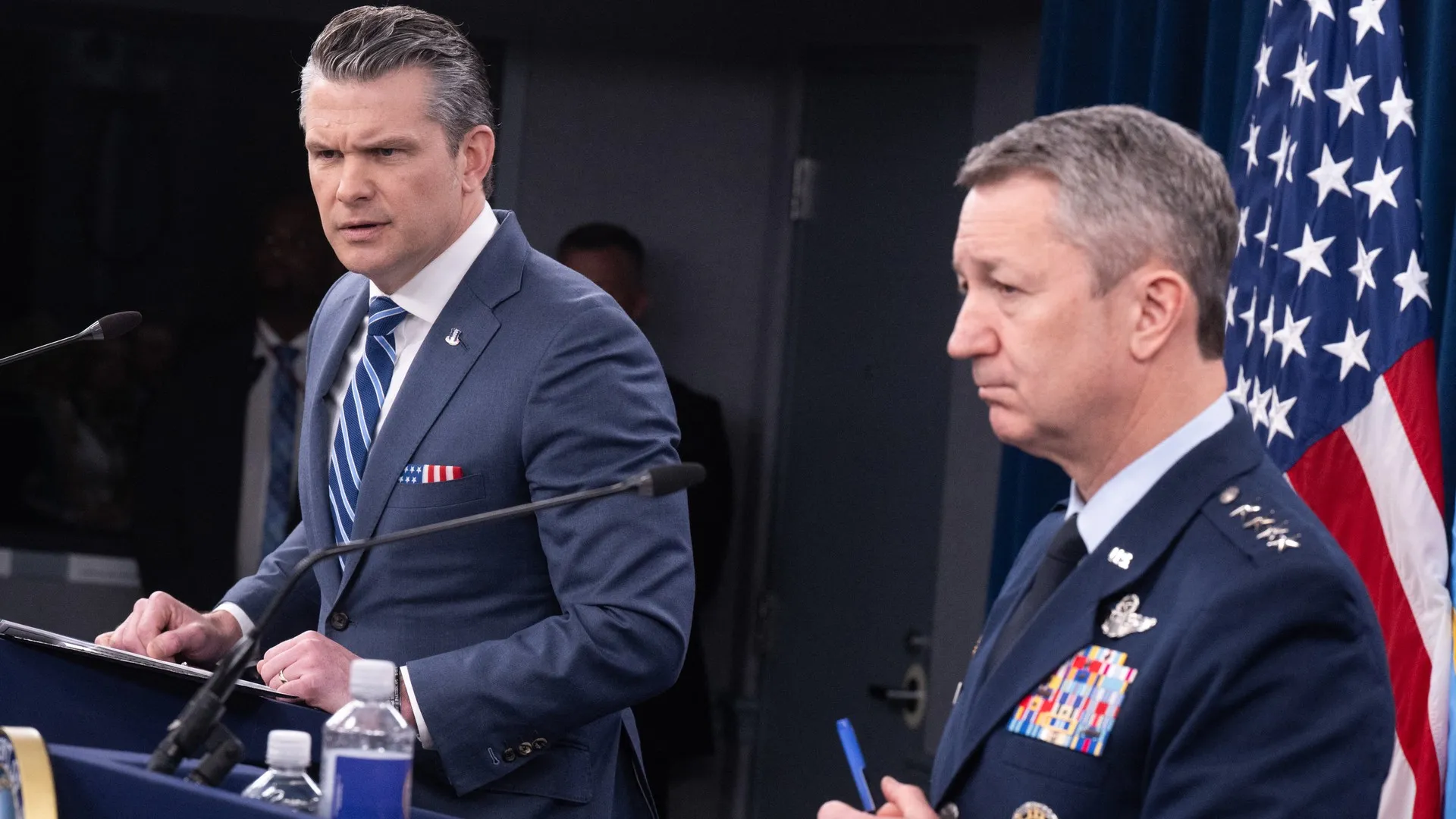
Defense Secretary Pete Hegseth and Joint Chiefs Chairman Gen. Dan Caine are heading into a high-stakes hearing on Capitol Hill as lawmakers weigh the Trump administration’s proposed 2027 defense budget and press for answers on U.S. military action in Iran. What might have been a routine budget review is now shaping up as a broader confrontation over war powers, civilian harm, Pentagon leadership turmoil and the future direction of U.S. national security policy.
Why this hearing matters
The House Armed Services Committee is reviewing a defense proposal that would push U.S. military spending to an extraordinary record level, with administration officials expected to argue for more investment in drones, missile defense and naval power. But the political center of gravity has shifted. The bigger issue is Iran.
Lawmakers are expected to question whether the administration overstepped Congress by launching military action without explicit authorization. That concern goes to the heart of one of Washington’s oldest constitutional fights: who gets to decide when the United States goes to war. Under Article I of the Constitution, Congress has the power to declare war, while presidents have long argued they retain authority to act quickly in defense of U.S. interests. In practice, that boundary has been contested for decades, from Vietnam to Iraq to more recent operations in the Middle East.
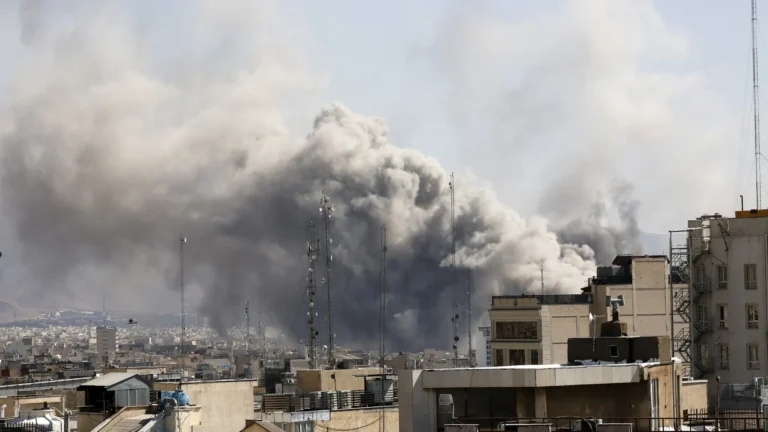
The current clash has intensified after Democrats sharply criticized the administration’s Iran operation and cited reports of civilian casualties. According to the article prompting this coverage, critics have also raised alarms over the risk to U.S. personnel and the lack of prior congressional approval.
The wider political backdrop
The hearing lands at a moment when Congress is already under pressure to reassert its oversight role on military action. Recent reporting from Reuters and The New York Times has highlighted how lawmakers in both parties have become increasingly uneasy with open-ended executive war-making authority, particularly when conflicts risk escalation with regional powers.
That discomfort is especially pronounced in the case of Iran, where any direct U.S. military move carries the possibility of retaliation against American troops, regional allies, shipping routes and energy infrastructure. Analysts at the Council on Foreign Relations have repeatedly noted that a U.S.-Iran confrontation can expand quickly because it touches multiple flashpoints at once, including Iraq, Syria, the Persian Gulf and Israel’s security environment.
At the same time, Hegseth faces a separate set of questions over instability inside the Pentagon. Leadership reshuffles and senior departures can be politically survivable in ordinary times, but during an active military crisis they take on added significance. Critics argue that removing top officials while defending a controversial military operation may undermine confidence at home and abroad. Even some Republicans have signaled discomfort, suggesting this is no longer a purely partisan dispute.
What the latest reporting shows
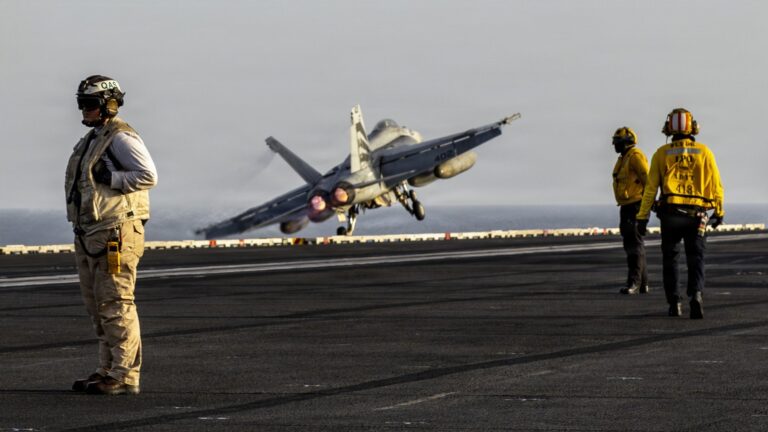
Coverage from the Associated Press indicates Pentagon leaders are likely to stress readiness and modernization, especially in areas like autonomous systems, missile interception and naval deterrence. That aligns with broader defense planning trends outlined in recent analyses from the Center for Strategic and International Studies, which has argued that U.S. planners increasingly see drones, integrated air defense and maritime power as central to future conflict.
Still, hardware may not be the headline. The more politically explosive line of questioning is likely to focus on whether the administration can justify the Iran operation legally, strategically and morally. If lawmakers believe the White House bypassed them, the hearing could become a vehicle for a larger debate over the War Powers Resolution and Congress’s fading ability to constrain presidents once military action begins.
That is a familiar pattern in Washington: presidents often act first, and Congress debates its authority after the fact. The difference now is the scale of the budget request, the intensity of partisan scrutiny and the possibility that the Iran issue could reshape defense politics heading into the next election cycle.
Why this is bigger than one hearing
This testimony is about more than one operation or one cabinet official. It is a test of whether Congress is willing to demand accountability before military action hardens into long-term policy. It is also a test of whether the Pentagon can persuade skeptics that a larger defense budget will make the country safer rather than simply deepen U.S. exposure abroad.
There is also a deeper public question underneath the partisan conflict. After years of war fatigue, many Americans remain wary of another prolonged Middle East confrontation. But they are also highly sensitive to threats against U.S. troops and allies. That tension creates a narrow political lane: voters may support strength, yet still reject a blank check for escalation.
For now, the hearing offers the clearest public window yet into how the administration plans to defend both its military strategy and its constitutional rationale. If Hegseth and Caine reassure lawmakers, the budget debate may proceed largely on defense priorities. If they do not, this could become a defining showdown over war powers, executive authority and the real costs of U.S. action in Iran.