

Why Sydney Sweeney’s Deleted Scene Matters
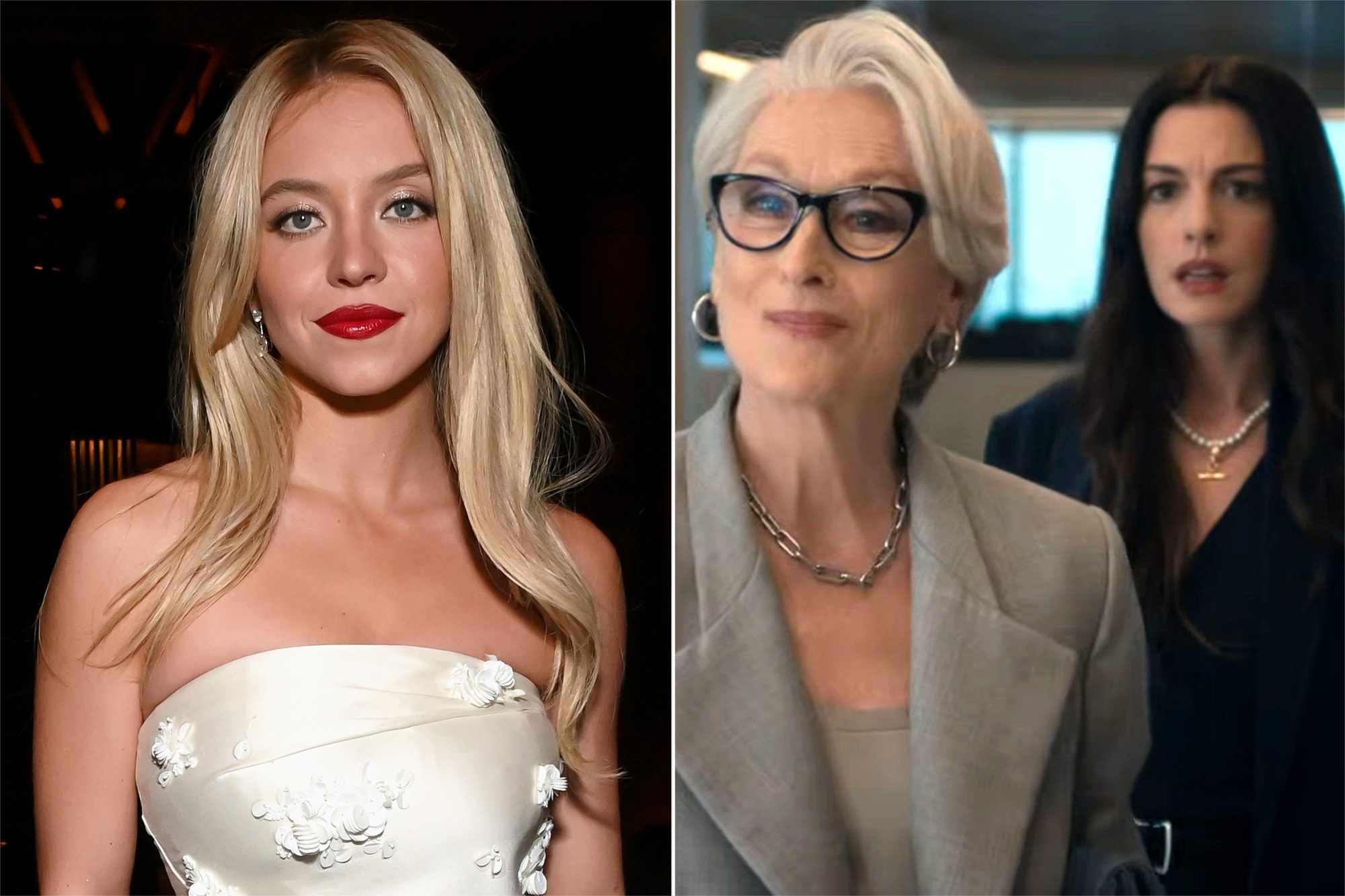
According to Entertainment Weekly, Sweeney filmed a scene for The Devil Wears Prada 2 that would have appeared near the beginning of the film, with the actress reportedly playing herself while Emily Blunt’s character worked with her as a celebrity client. The scene was ultimately removed for structural reasons, with a source describing the decision as creative rather than personal. You can read EW’s original report here.
That kind of edit is common in filmmaking, but in today’s celebrity-news ecosystem, even a cut cameo becomes part of the promotional life cycle. Audiences follow casting rumors, set photos, soundtrack reveals, and trailer breakdowns long before a movie premieres. In many ways, the making of a film now generates almost as much attention as the final release.
The Sequel Economy Is Still Running Hollywood
The latest industry reporting continues to show that studios remain heavily reliant on established intellectual property. Major studios have increasingly favored franchise extensions, reboots, and sequels because they come with built-in awareness and lower marketing risk than entirely original films. That pattern has been visible across theatrical schedules and streaming slates alike.
Recent entertainment-business coverage from outlets such as The Hollywood Reporter, Variety, and Deadline has consistently highlighted the industry’s dependence on recognizable brands as studios try to stabilize revenue and audience engagement. Franchises, legacy titles, and star-heavy follow-ups continue to dominate conversation because they offer something increasingly rare in entertainment: instant familiarity.
The Devil Wears Prada 2 fits perfectly into that strategy. The original film remains culturally relevant two decades later thanks to prestige casting, iconic dialogue, fashion appeal, meme longevity, and repeat streaming value. Bringing back Anne Hathaway, Meryl Streep, Emily Blunt, and Stanley Tucci gives the sequel both cross-generational appeal and social-media visibility.
Celebrity Casting Has Become a Marketing Tool of Its Own
Sweeney’s involvement—even in a scene that was ultimately cut—underscores another modern truth: celebrity casting now drives coverage well beyond the size of a role. A brief cameo from an actor with strong fan engagement can create weeks of headlines, online theories, and viral posts.
Sweeney is especially well-positioned for that kind of attention. Between Euphoria, studio films, fashion campaigns, and constant online discussion, she has become one of the most closely watched young stars in Hollywood. That makes any project tied to her name instantly more visible. EW also notes that she recently returned to Euphoria, another reminder of how television fame, film casting, and celebrity branding increasingly overlap.
This is one reason modern entertainment reporting often focuses on “who almost appeared” just as much as “who did appear.” The buzz itself has value.
What This Says About Pop Culture in 2026
The broader pop-culture takeaway is that audiences no longer just consume finished entertainment products. They consume development updates, casting leaks, on-set images, soundtrack announcements, teaser campaigns, and post-release production trivia. In that environment, a cut cameo is not really lost content. It becomes another chapter in the content machine.
That is especially true for legacy properties. Fans don’t just want the sequel; they want the full ecosystem around it. They want to know who was invited back, what changed from earlier drafts, what scenes were deleted, which stars almost joined, and how the new film connects to the original. The entertainment industry now markets anticipation as aggressively as the release itself.
Coverage from Vulture and IndieWire has repeatedly emphasized how online fandom and media discourse extend the shelf life of entertainment properties long before opening weekend and long after release. That dynamic helps explain why even a relatively small production decision can become a headline-making story.
The Bottom Line
Sydney Sweeney’s deleted Devil Wears Prada 2 appearance is celebrity news on the surface, but it also highlights something deeper about the current state of pop culture: Hollywood is still powered by legacy brands, fan communities, and stars whose off-screen visibility can be as valuable as their screen time.
In 2026, entertainment is no longer only about what audiences watch. It is also about what they speculate on, share, debate, and track in real time. That makes stories like this more than trivial casting gossip. They are a window into how modern fame, franchise filmmaking, and digital attention now work together.
Sources: