



U.S. businesses can begin seeking refunds for billions of dollars in tariffs collected under emergency powers, marking a major turning point in a long-running trade dispute and giving importers a chance to recover substantial costs tied to Trump-era duties.
Why this is a Business story
This development squarely fits the Business category because it directly affects importers, supply chains, corporate cash flow, trade compliance, and the broader U.S. economy. The policy reversal is not just a legal story; it has immediate financial consequences for companies that paid the duties and now must navigate the refund process.
What happened
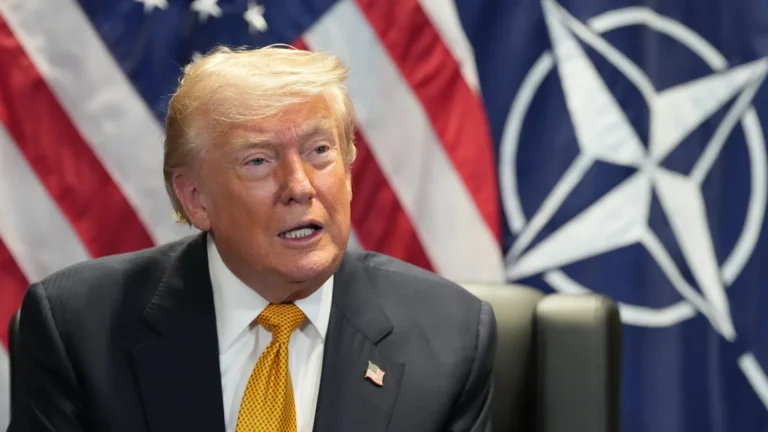
According to Fox Business, U.S. Customs and Border Protection is launching the first phase of a claims system that allows businesses to request refunds on tariffs previously imposed under the International Emergency Economic Powers Act. The shift follows court rulings, including a Supreme Court decision finding that the law used to justify the tariffs did not authorize the president to impose them in that way.
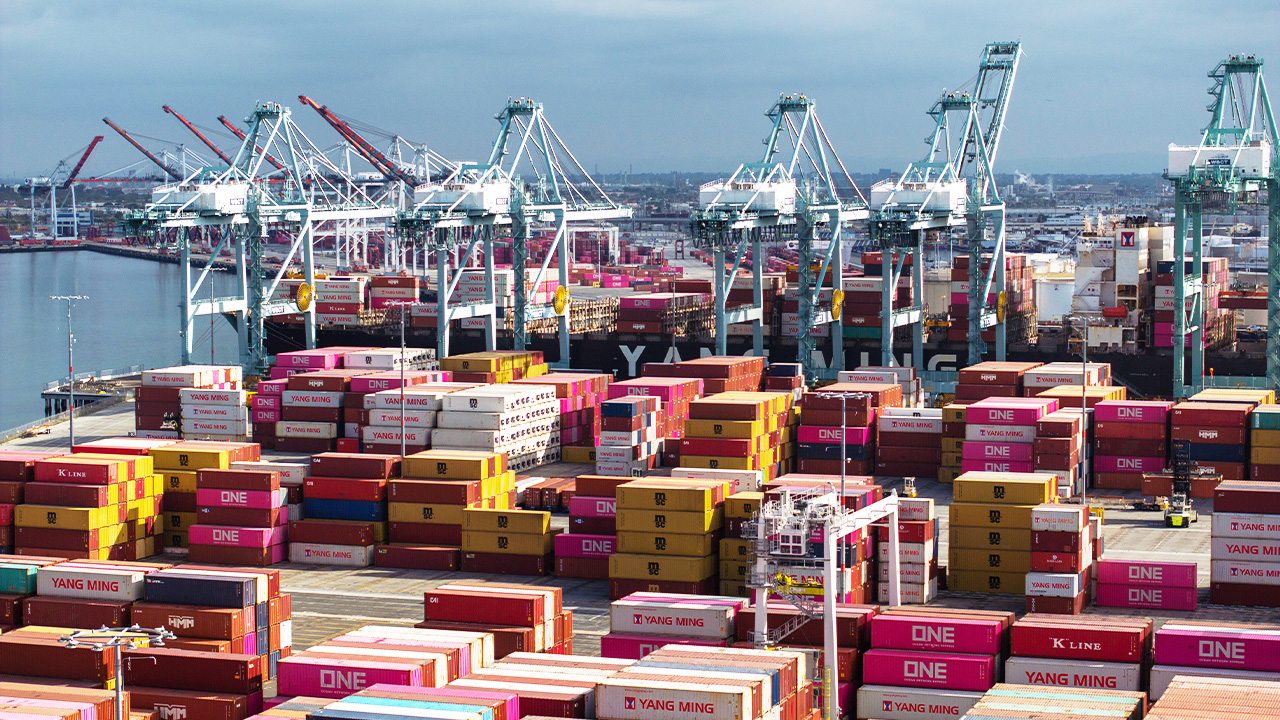
The scale is striking. Court filings cited by Fox Business indicate that more than 330,000 importers paid duties on over 53 million shipments, totaling about $166 billion. For many firms, especially those that operate on thin margins, the refunds could provide meaningful relief at a time when businesses are still managing inflation pressures, financing costs, and global trade uncertainty.
The broader trade and legal backdrop
The issue highlights a deeper tension in U.S. economic policy: how much unilateral power a president has over trade measures. The Constitution gives Congress authority over tariffs and taxation, and the court’s ruling appears to reinforce that principle. In practical terms, the decision may narrow the government’s ability to rely on emergency statutes for sweeping trade actions in the future.
That matters for business planning. Companies tend to invest more confidently when trade rules are predictable. A major reason tariffs can be disruptive is that they alter cost structures quickly, often with little warning, forcing importers to either absorb the costs, pass them to consumers, or rework supply chains. When courts reverse those actions years later, the financial and operational consequences can be just as large.
Latest business context: trade, supply chains, and market pressure
The tariff refund story lands at a moment when businesses are already recalibrating around trade and supply-chain risk. Recent reporting from Reuters has continued to track how companies worldwide are diversifying sourcing strategies, managing shipping disruptions, and responding to policy uncertainty in key trade corridors. Meanwhile, the U.S. Census Bureau’s foreign trade data shows how deeply integrated imports remain in the U.S. economy, especially in sectors such as manufacturing inputs, consumer goods, and electronics.
Businesses filing for refunds may also be doing so while confronting other cost variables, including freight volatility and energy swings. Coverage from Bloomberg and The Wall Street Journal has shown that executives remain cautious about geopolitical risk, shipping bottlenecks, and central-bank policy, all of which can influence inventory decisions and capital spending.
What companies should watch next
The refund process itself may become a major business story in the weeks ahead. CBP has said claims judged valid will generally be repaid within 60 to 90 days after acceptance, though complicated cases may take longer. That means treasury teams, customs brokers, and trade attorneys are likely to play an important role in helping companies identify eligible entries, document claims, and monitor the repayment process.
For some businesses, the refunds could improve working capital and support hiring, inventory rebuilding, or debt reduction. For others, especially larger importers, the amounts at stake may be large enough to affect quarterly financial results. Investors may begin paying closer attention to which public companies disclose expected recoveries tied to tariff refunds.
Why this matters now
At its core, this is a reminder that trade policy is never just about politics. It flows through to prices, contracts, earnings, and competitiveness. A court decision in Washington can eventually reshape balance sheets across the country.
If the refund rollout proceeds smoothly, it could become one of the largest reimbursements to importers in modern U.S. history. If it runs into delays or administrative friction, it may expose how difficult it is for the government to unwind a policy after billions have already been collected.
Either way, this is one of the most consequential business developments tied to U.S. trade policy this year: a legal reversal with real money, real operational implications, and a real test of how quickly companies can recover what they paid.
Sources
Fox Business: Trump admin to begin refunding $166B to businesses in wake of Supreme Court decision
Reuters
U.S. Census Bureau Foreign Trade
Bloomberg
The Wall Street Journal