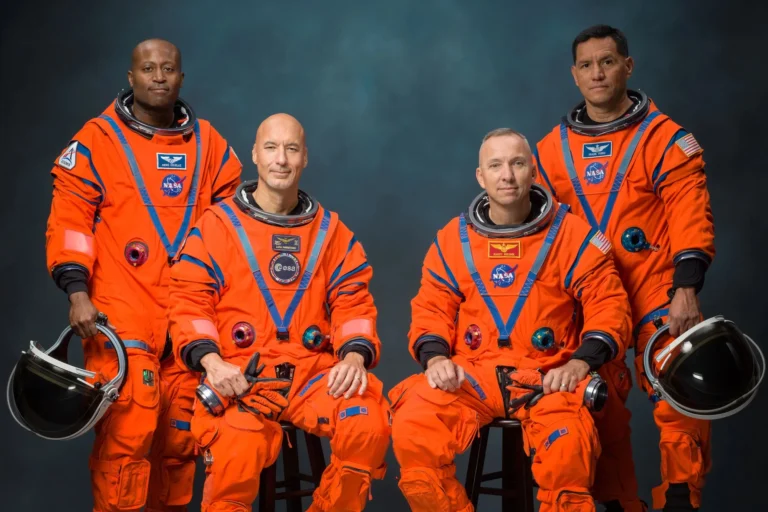




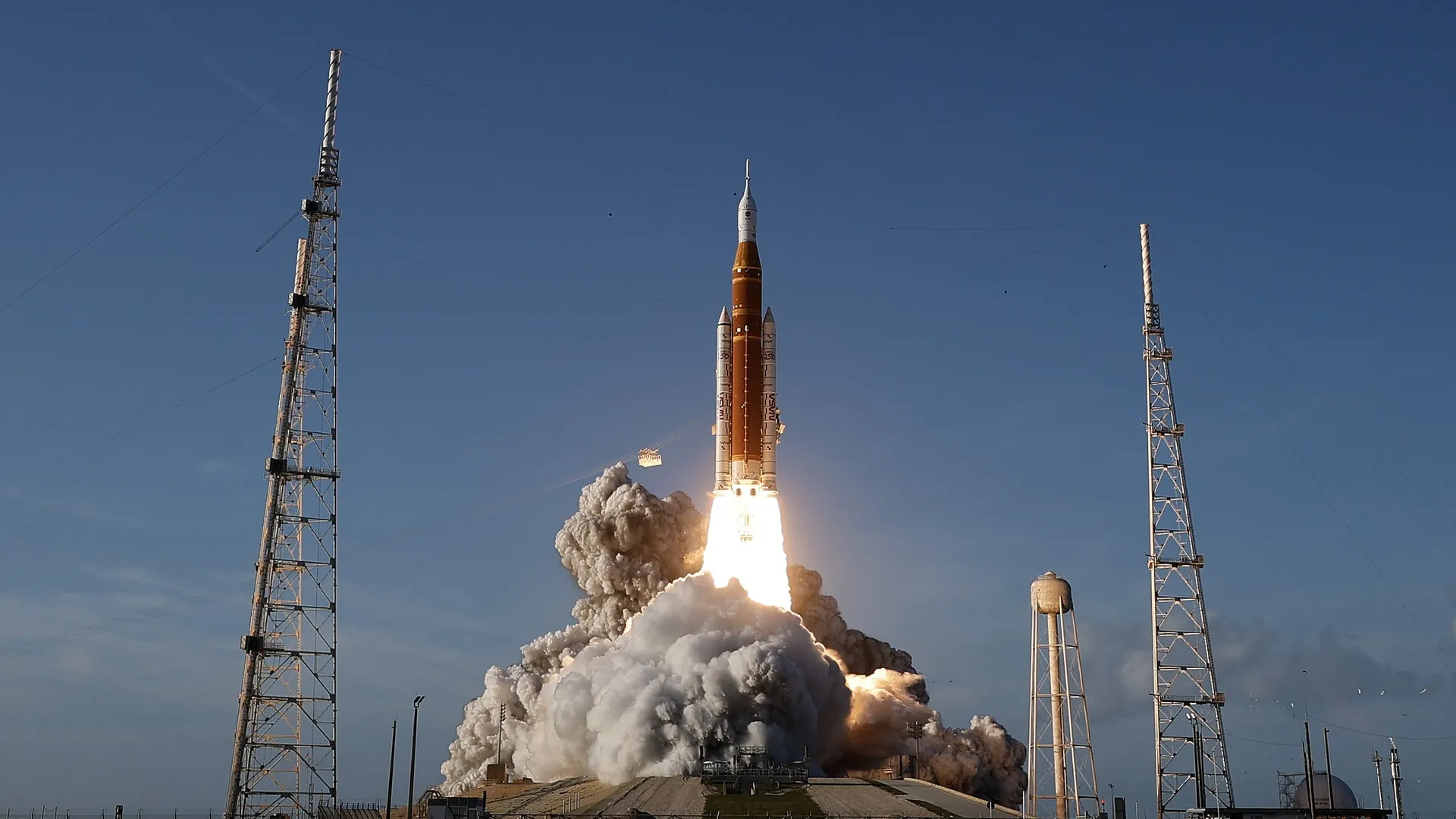
NASA’s Artemis II mission is heading into one of its most closely watched moments: a crewed lunar flyby that marks humanity’s farthest journey from Earth since the Apollo era. The mission, carrying astronauts Reid Wiseman, Victor Glover, Christina Koch and Canadian Space Agency astronaut Jeremy Hansen, is not just a spectacle for space fans — it is also a major test of the systems, operations and international partnerships meant to carry humans back to the Moon in the years ahead.
Why Artemis II matters
Artemis II is NASA’s first crewed mission under the Artemis program and the first time astronauts have traveled to the Moon’s vicinity since Apollo 17 in 1972. According to NASA’s Artemis II mission overview, the flight is designed to validate the Orion spacecraft, life-support systems, mission procedures and deep-space operations before a future lunar landing mission.
What makes this lunar flyby especially significant is that it is not a landing mission. Instead, it is a systems-validation mission with humans aboard. That distinction matters. NASA is effectively stress-testing the architecture it hopes will support longer and more complex journeys, including eventual missions tied to sustained lunar exploration and, later, Mars ambitions.
The latest on the flyby
NASA said the Orion spacecraft would enter the Moon’s sphere of influence before executing a close pass behind the Moon, temporarily cutting communications with mission control as the lunar surface blocks radio signals. During the flyby, the crew is expected to carry out observations, photograph lunar targets and monitor spacecraft performance in real time. NASA has also outlined public viewing options through NASA+ and its official YouTube channel.
The mission also serves as a public demonstration of how modern space exploration now blends scientific goals, media access and global audience engagement. Unlike Apollo, Artemis is unfolding in a digital, always-on environment where mission milestones are designed to be followed live across multiple platforms.
A bigger strategy: Moon first, then beyond
NASA has repeatedly framed Artemis as more than a return to the Moon. The agency says the program is intended to create the knowledge base for long-duration human exploration deeper into space. Its broader strategy includes the Lunar Gateway, new lunar surface systems and commercial partnerships intended to lower costs and expand mission flexibility.
That commercial dimension is one of the biggest differences between Artemis and Apollo. Alongside NASA’s government-led effort, private-sector launch companies and aerospace contractors are now central to U.S. space strategy. Recent reporting from Reuters and coverage from outlets such as CNN’s space section have highlighted the increasingly intertwined roles of NASA, international agencies and commercial providers in shaping lunar timelines, budgets and mission design.
The human element still matters most
For all the engineering and policy significance, Artemis II remains a profoundly human story. The crew has spent days reviewing science targets, testing suit systems and preparing for periods of communication blackout. NASA officials have said the astronauts remain healthy and in strong condition as the mission proceeds. That operational calm is important because public confidence in deep-space exploration often depends not just on mission success, but on visible competence, readiness and resilience under pressure.
The mission also carries symbolic weight. Christina Koch is part of a crew that reflects a more modern and representative era of human spaceflight, while Jeremy Hansen’s role underscores the international dimension of the program. Artemis is being presented not only as an American return to the Moon, but as a coalition effort with global relevance.
What comes next
If Artemis II completes its objectives successfully, the mission will strengthen NASA’s case that the agency is ready for the next phase of lunar exploration. That would likely increase attention on upcoming Artemis missions, including plans for astronauts to return to the lunar surface. But the broader test is whether NASA can sustain political support, funding discipline and technical reliability over the long term — challenges that have historically complicated ambitious space programs.
For now, Artemis II’s lunar flyby is both a milestone and a measuring stick. It is a reminder that space exploration still captures public imagination, but also that every dramatic image and live broadcast sits atop years of engineering, risk management and geopolitical strategy.
Sources
NASA — Artemis II mission overview
NASA Mission Blogs
NASA+
NASA YouTube
NASA — Gateway program
Reuters
CNN Space coverage