

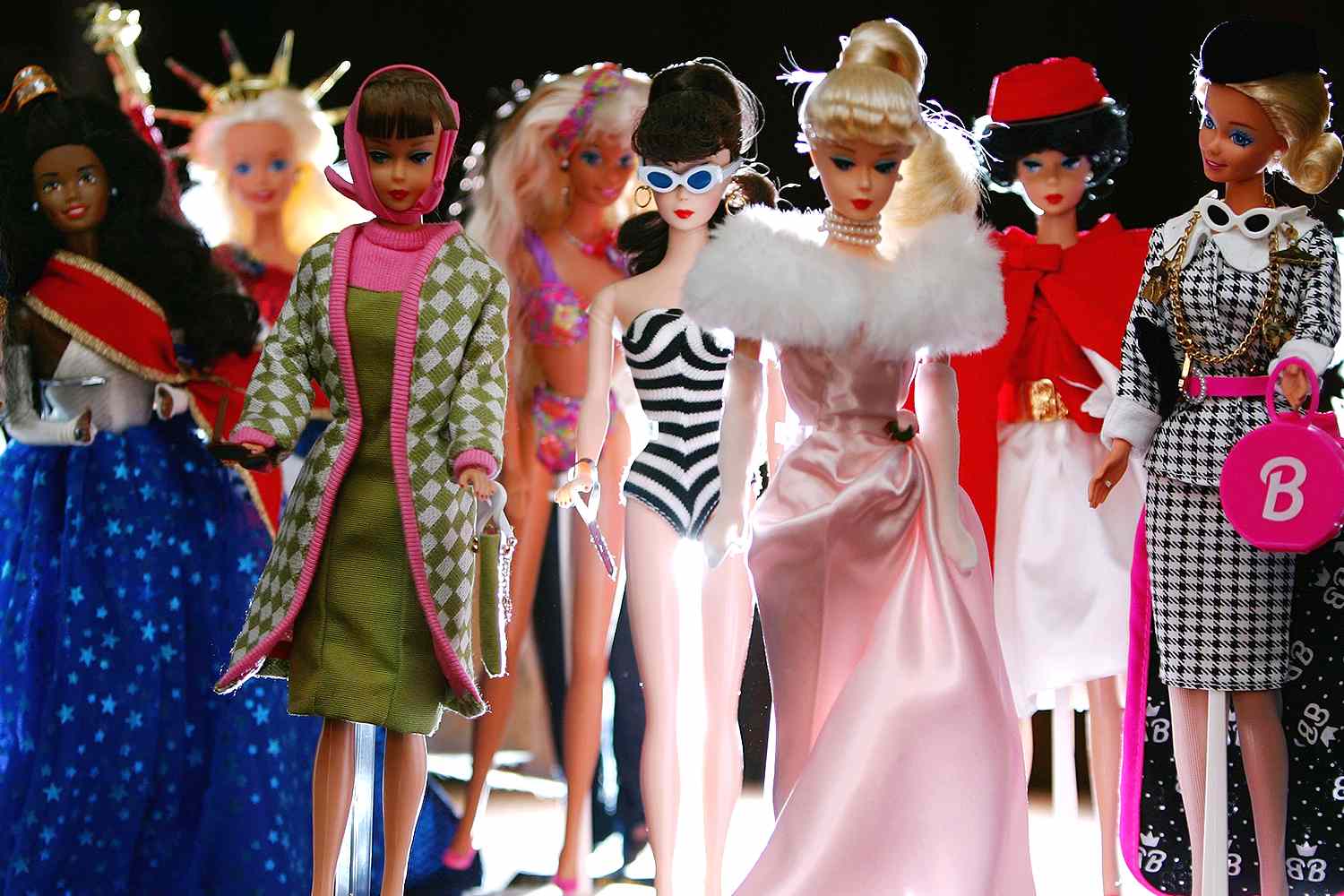
Barbie Dream Fest in Fort Lauderdale was supposed to be a colorful celebration of one of the world’s most recognizable brands. Instead, it quickly turned into a cautionary tale about fan conventions, premium ticket pricing, and the risks that come with licensing out major entertainment properties.
The event, which reportedly offered packages priced as high as $502.50 and featured an appearance by Serena Williams, drew swift backlash from attendees who said the experience fell far short of expectations. According to Entertainment Weekly, fans described parts of the attraction as underwhelming, with one attendee saying the advertised “interactive Barbie Dream House” amounted to little more than a cardboard-style display. Footage circulating online and highlighted by Good Morning America amplified the criticism, helping turn the event into a broader social media flashpoint.
Refunds Arrive, but So Do Bigger Questions
In statements cited by Entertainment Weekly, Mattel said the event was created by Mischief Management under a licensing arrangement and that full refunds would be issued to ticket holders. Mischief Management also said it would refund attendees, while describing the event as an “intimate fan convention” intended to create meaningful connection.
That response may limit some of the immediate fallout, but it does not erase the larger issue now facing the live-events business: consumers are paying more than ever for immersive experiences and increasingly expect the production quality to match the marketing.
This is not happening in a vacuum. Over the past two years, themed events tied to major intellectual property have repeatedly gone viral for the wrong reasons. One of the clearest precedents was the much-mocked Willy’s Chocolate Experience in Glasgow, which became internationally infamous after attendees shared images of sparse sets and low-budget execution. Coverage from outlets including BBC News and CBS News showed how quickly disappointment can become a reputational crisis when audience expectations are built through glossy promotional materials.
The New Economics of Fandom
What makes the Barbie Dream Fest story especially notable is that it sits at the intersection of fandom and business. Entertainment brands are no longer just selling films, toys, or merchandise. They are selling experiences. From conventions and immersive pop-ups to fan cruises and branded festivals, the modern media economy increasingly depends on monetizing emotional connection.
That strategy can be incredibly lucrative. Research from Grand View Research has projected continued growth in the global events industry, driven in part by experiential marketing and consumer demand for live, shareable moments. At the same time, analysts at McKinsey & Company have emphasized that brands now operate in an environment where customer trust and brand authenticity are central to retention and growth. When a fan event misses the mark, the damage extends beyond one weekend’s ticket sales.
That is especially true for brands like Barbie, which has enjoyed a broad cultural resurgence since the blockbuster success of the 2023 film. Mattel has been actively expanding Barbie as a cross-platform lifestyle and entertainment property, not just a toy line. In that context, every public-facing event becomes part of a much bigger brand narrative.
Why These Stories Keep Catching Fire Online
There is a reason event failures spread so quickly. Social media has effectively turned every attendee into a live reviewer, videographer, and critic. A disappointing activation no longer ends with frustrated customer emails; it can become a viral spectacle within hours. Platforms like TikTok, X, and Instagram reward visual contrast, and few things perform better online than the gap between polished advertising and visibly underwhelming reality.
That dynamic is reshaping accountability. Consumers are increasingly willing to challenge organizers publicly, and major rights holders can find themselves pulled into controversy even when a third party produced the event under license. For businesses, that means partnerships and licensing deals may require more rigorous oversight, clearer quality-control standards, and better contingency planning.
A Lesson for Brands and Fans Alike
The bigger lesson from Barbie Dream Fest is not simply that one event disappointed guests. It is that fandom has become a high-stakes commercial arena where trust is part of the product. When fans buy a ticket to an officially branded experience, they are not just paying for access. They are buying into a promise.
And in 2026, that promise is easier than ever to market — but also easier than ever to scrutinize.
For now, refunds may close the chapter financially for many attendees. But for brands, promoters, and consumers alike, the controversy is a reminder that in the experience economy, presentation matters, execution matters more, and disappointment travels fast.
Sources:
- Entertainment Weekly – Fans slam ‘heartbreaking’ Barbie Dream Fest convention debacle
- Good Morning America / ABC News – Coverage of attendee reactions
- BBC News – Willy’s Chocolate Experience backlash
- CBS News – Willy Wonka-inspired event controversy
- Grand View Research – Events industry market outlook
- McKinsey & Company – Brand trust and personalization analysis