




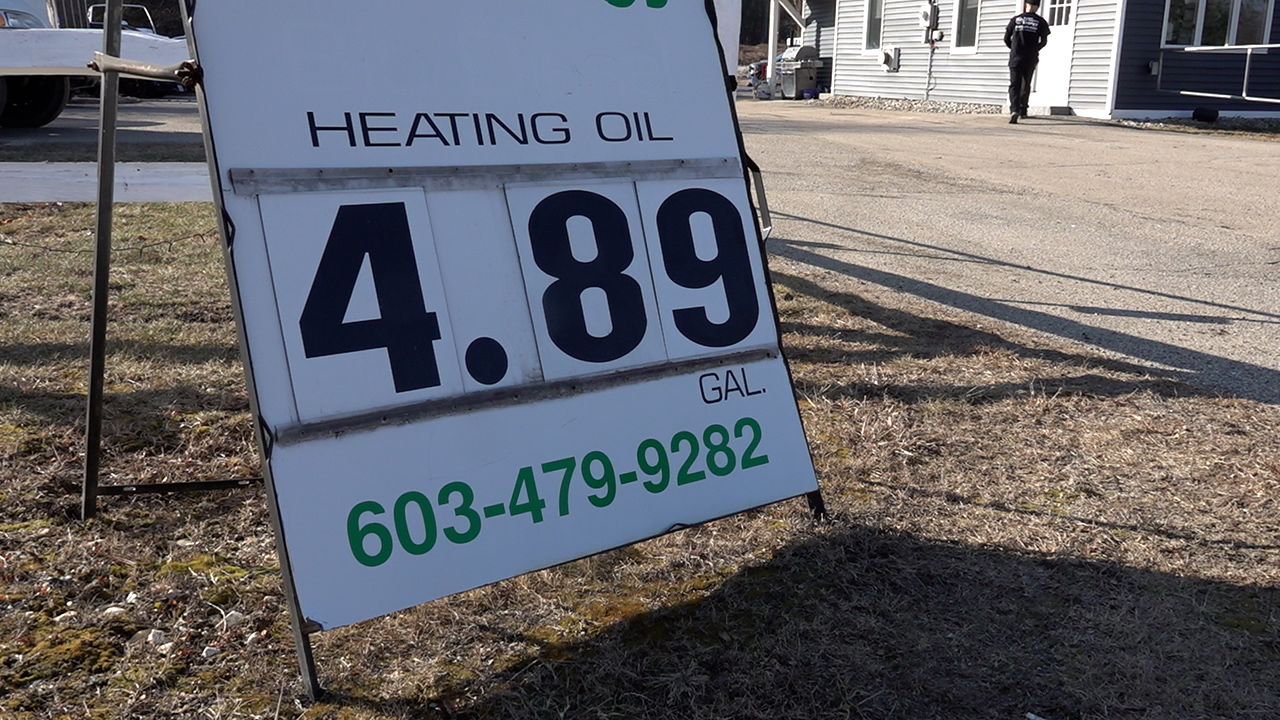
Home heating oil providers across New England are facing a fresh wave of pressure as diesel and crude prices climb, squeezing small operators already dealing with thin margins and price-sensitive customers. The most appropriate category for this story is Business, as the core focus is on operating costs, supply volatility, customer demand, and the financial strain on local fuel suppliers.
Rising fuel costs hit small energy businesses
The latest reporting from Fox Business highlights how heating oil companies in New Hampshire and Massachusetts are struggling to manage surging diesel expenses tied to instability in the Middle East. Operators say the cost of filling delivery trucks has jumped dramatically in just a matter of weeks, making daily planning far more difficult.
That pressure is not happening in isolation. According to AAA, diesel prices in the United States have been climbing again, reviving concerns not just for drivers but also for industries that rely on transportation-intensive operations. Heating oil delivery companies are especially vulnerable because they are hit on both sides: wholesale oil costs rise, and so does the diesel needed to deliver that product.
Why this matters beyond New England
This story speaks to a broader business trend unfolding across the economy. When energy markets become volatile, smaller regional firms often feel the impact first and hardest. Unlike major corporations with broader hedging strategies, deeper reserves, or diversified logistics networks, family-owned fuel businesses frequently have limited room to absorb sudden cost spikes.
Recent market coverage from Reuters Commodities has shown how geopolitical tensions, especially those affecting oil flows and trader expectations, continue to influence crude pricing. At the same time, analysis from the U.S. Energy Information Administration shows that distillate fuels such as diesel remain sensitive to global supply disruptions, refinery conditions, and seasonal demand changes.
For home heating oil companies, the business challenge is unusually complex. Customers delay fills when prices rise, but delivery companies still face immediate fuel, labor, and inventory costs. That means firms can lose volume at the same time their expenses accelerate. Some companies are already responding with minimum-delivery rules and surcharges, measures designed to protect operations but which also reveal how little flexibility remains in the system.
A warning sign for consumers and small business owners
The latest developments also offer a warning about inflationary pressure at the local level. Energy costs do not stay confined to the pump or the wholesale market. They flow through transportation, home services, food delivery, and seasonal household expenses. For consumers, that may mean higher heating and service bills. For business owners, it means another reminder that geopolitical shocks abroad can quickly become financial headaches at home.
There is also a timing problem. As winter demand fades, many heating oil providers enter a slower seasonal stretch. Under normal conditions, that period offers a chance to stabilize cash flow and prepare for the next cold season. But if diesel and crude remain elevated, small firms could move into their off-season with weaker margins and less financial cushion.
The bigger business picture
From a business standpoint, this is ultimately a story about resilience. Local energy providers are trying to retain customers, protect workers, and keep service dependable while input costs swing day by day. Their experience mirrors the broader challenge facing many small businesses in 2026: uncertainty is no longer occasional, it is operational.
If fuel prices remain high, more companies may be forced to adopt stricter delivery policies, pass through additional charges, or lean on secondary lines of business to stay afloat. That makes this more than a regional energy story. It is a snapshot of how fragile small-business economics can become when global events collide with local necessity.
Sources:
Fox Business
AAA Gas Prices
U.S. Energy Information Administration
Reuters Commodities