




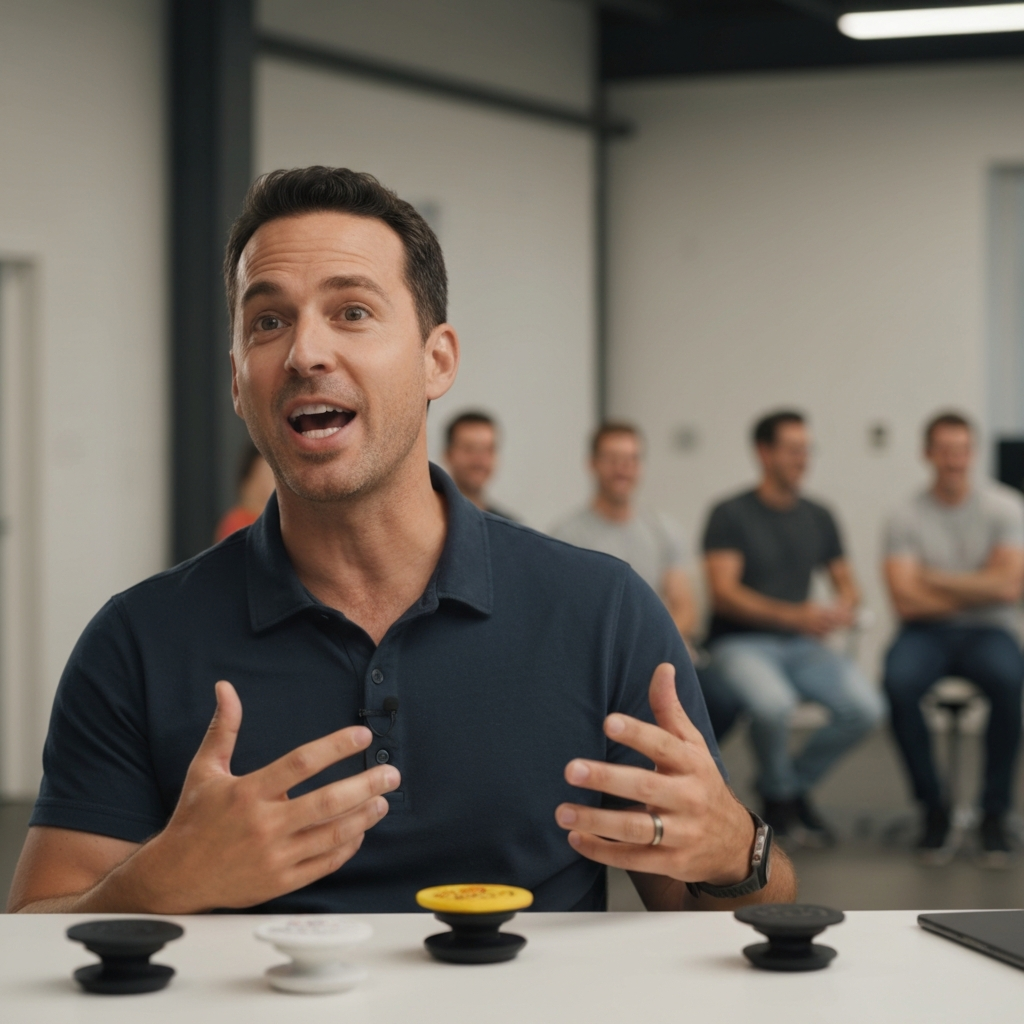
PopSockets founder David Barnett recently discussed what it takes to scale a consumer brand from a simple idea into a globally recognized business. Based on the RSS item provided, the most appropriate category for this post is Business, as the focus is on entrepreneurship, company growth, leadership, and scaling a product-based brand.
Why This Fits the Business Category
The story centers on Barnett’s experience building PopSockets into a viral consumer business and reflects broader themes in entrepreneurship: product-market fit, operational scaling, brand expansion, and leadership lessons. While the company makes a tech-adjacent accessory, the heart of the story is business strategy rather than technology itself.
Latest Business News Context
One of the biggest ongoing themes in business news in early 2026 is how consumer brands are adapting to an environment shaped by tighter funding, more selective consumer spending, and the growing role of AI in operations and marketing. Founders and executives across sectors are being pushed to build more durable companies rather than relying purely on growth at all costs.
Recent reporting from major business outlets has highlighted several trends:
- Companies are prioritizing profitability and efficiency over aggressive expansion.
- Consumer brands are leaning more heavily on direct relationships with customers and creator-driven marketing.
- Leadership discipline and operational execution are becoming key differentiators in a slower-growth environment.
These themes make Barnett’s perspective timely. PopSockets was one of the standout examples of a product that broke through crowded markets through brand recognition and consumer enthusiasm. But sustaining that momentum requires exactly the kind of management discipline many founders are now being forced to learn.
What Barnett’s Story Says About the Current Business Climate
Barnett’s discussion is relevant beyond PopSockets itself. In today’s market, founders are increasingly judged not just by whether they can create buzz, but whether they can translate attention into repeatable business performance. Viral success can open the door, but systems, leadership, and execution determine whether a company lasts.
That is especially true as retailers, investors, and consumers have become more cautious. A business that once might have been rewarded simply for fast growth is now expected to demonstrate resilience. For consumer brands, that means stronger margins, smarter inventory planning, sharper marketing efficiency, and a clearer understanding of customer loyalty.
In that sense, PopSockets represents a useful case study. The company emerged from a highly visible consumer trend, but the enduring lesson is not about virality alone. It is about how founders evolve from inventors into operators.
Analysis
The broader takeaway from the latest business landscape is that leadership maturity matters more than ever. Founders who built companies during periods of easy capital and rapid digital growth are now navigating a very different environment. Businesses that survive are often the ones that can balance creativity with operational rigor.
Barnett’s experience aligns with that shift. Building a successful consumer product today means understanding not only design and marketing, but also supply chains, retail strategy, organizational culture, and long-term brand positioning. Those are the qualities investors and markets increasingly reward.
For entrepreneurs, the message is clear: a viral product can capture attention, but disciplined leadership is what turns momentum into a sustainable enterprise.
Sources
TechCrunch: PopSockets founder David Barnett talks about building a viral business