

Overview
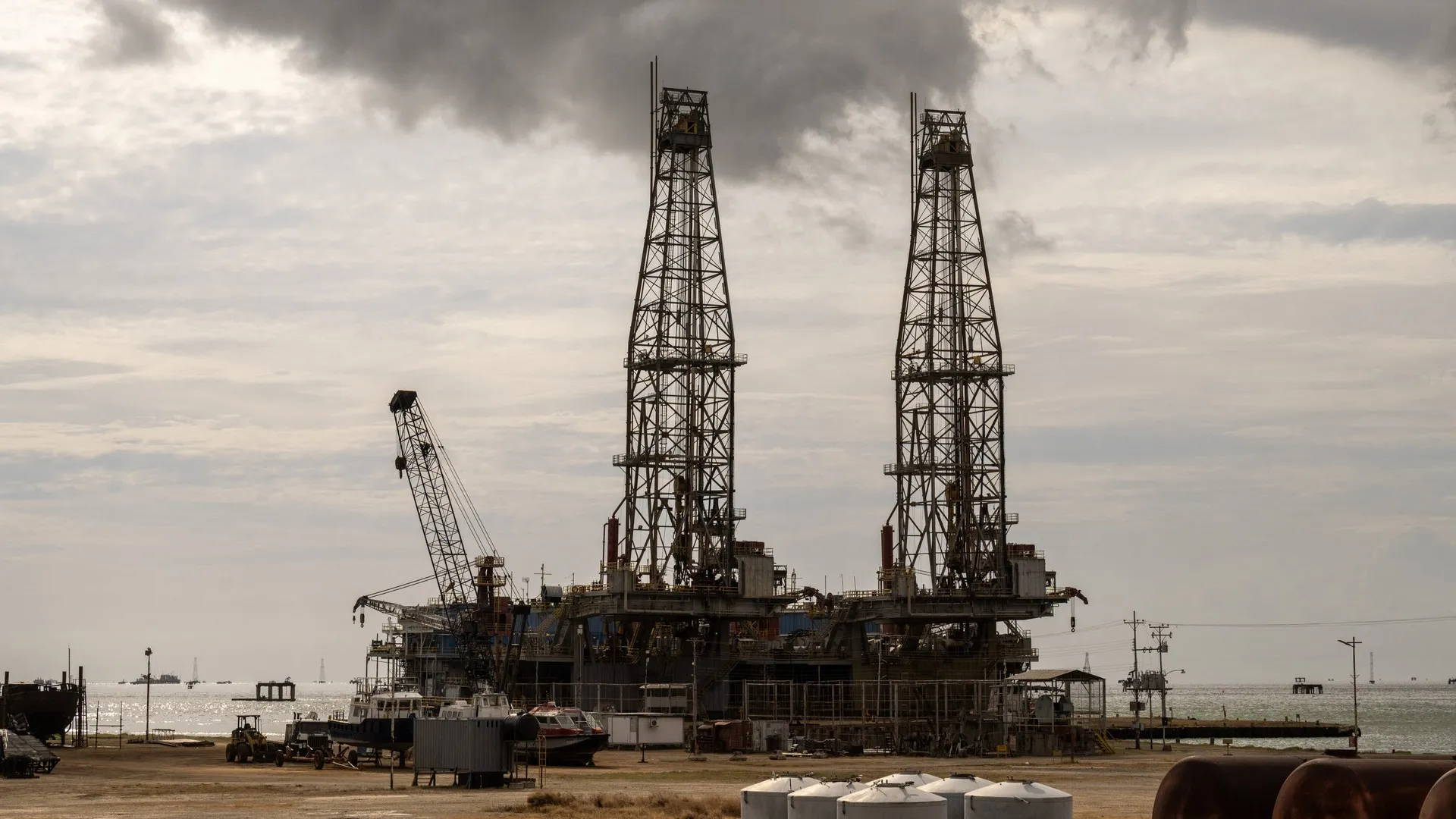
Recent negotiations reportedly center on a cluster of more than a dozen producing oil fields collectively holding roughly 90 billion barrels of proven reserves. Whether the talks involve asset transfers, joint-venture terms, extended service contracts or production-sharing arrangements, the scale of reserves on the table ensures that any decision will reverberate through global oil markets, state budgets and long-term investment plans.
Why this matters now
Global oil markets have spent the last several years reacting to a delicate mix of demand recovery, supply-management by producer alliances, and longer-term shifts tied to the energy transition. Large blocks of proven reserves—measured in tens of billions of barrels—are strategically important for producing nations because they underpin export revenue, attract upstream investment and influence producer behaviour in forums like OPEC and OPEC+ (or bilateral deals between producing states and international oil companies). The practical result: decisions over major fields affect prices, investor appetite for new upstream projects, and the pace at which governments can plan fiscal spending.
Short- and medium-term market impacts
- Price volatility: Any credible plan that takes significant production offline, reassigns management, or triggers production increases can push markets to reprice crude within days. Market participants watch not only production volumes but also the technical capability of operators to sustain output.
- Supply signaling: If national oil companies (NOCs) or alliances use the talks to coordinate production strategy, that signaling can be as important as the physical barrels. Ongoing coordination among major producers has repeatedly shown the ability to tighten or loosen global supply and thereby influence benchmarks like Brent and WTI (source: OPEC, IEA).
- Investor confidence: Clarity in contracts, clear terms for cost recovery and production sharing, and predictable fiscal regimes help attract the capital needed to maintain and boost recovery from mature fields. Conversely, protracted or opaque negotiations may depress investment and accelerate decline rates in aging fields.
Geopolitics and national strategy
Large proven reserves are not just commercial assets; they are strategic instruments. States may use commodity revenue to support budgets, finance infrastructure, or pursue geopolitical goals. The interplay between sovereign interests and international partners—especially when fields straddle disputed areas or involve legacy concessions—can complicate talks and prolong resolution timelines. Moreover, many producing states are balancing short-term fiscal needs with the long-term pivot toward lower-carbon energy systems.
Upstream investment, technology and field maturity
Bringing the most value from large reserves requires investment—both financial and technical. Many of the world’s largest producing fields are mature and depend on enhanced recovery techniques, sustained maintenance, and modernization of facilities to avoid steep decline curves. That drives demand for capital, advanced drilling/completion technology and services that NOCs and international oil companies (IOCs) provide. The willingness of IOCs to engage often depends on contract clarity and host-country fiscal regimes, as well as wider market expectations for oil prices and regulatory risks (source: IEA, EIA, BP).
Energy transition implications
Conversations about major oil reserves are increasingly framed against the backdrop of climate policy and the energy transition. While near- to medium-term energy security often requires keeping proven hydrocarbons in production, long-term plans in many markets envision declining oil demand. This tension shows up in negotiation dynamics: some host governments seek immediate revenue while partners and financiers weigh future demand risk and carbon-related policy exposures. Corporate and sovereign strategies are evolving—diversifying into gas, low-emissions projects or renewable energy—to balance those pressures.
What to watch next
- Official statements from the host country(ies) and involved companies or alliances about contract terms, timelines and production targets.
- Market indicators (Brent, WTI, and regional differentials) for immediate price reaction to any news from the talks.
- Oil service and capital markets signals: project financing announcements, joint-venture signings, or IOC withdrawals that indicate investor sentiment.
- Policy developments in consuming countries that could alter medium-term demand projections—e.g., strengthened EV mandates, carbon pricing or fuel efficiency standards.
Bottom line
Talks over fields with tens of billions of barrels of proven reserves are about far more than geology. They sit at the intersection of markets, geopolitics, fiscal strategy and the energy transition. For market participants, clarity and speed in final agreements tend to reduce volatility and sustain investment; for host governments, the challenge is to secure revenue while positioning assets for a future where demand may plateau or decline. Close attention to official announcements and the reaction of oil markets will be essential in the coming weeks.
Sources & further reading
- IEA — World Energy Outlook 2023 (analysis of demand trends, investment needs and supply-side dynamics)
- OPEC — Annual Statistical Bulletin / Publications (data and policy context on member production and reserves)
- U.S. EIA — International Energy Outlook and Country Analysis (country-level production and reserves information)
- BP — Statistical Review and Energy Data (global reserve and production statistics)
- Reuters — Energy News (coverage of ongoing producer negotiations and market responses)
- Bloomberg — Energy (market, policy and corporate coverage)
Note: This article synthesizes publicly available industry reporting and energy-sector analysis to provide context for negotiations involving large producing assets. For transaction-specific details, consult official releases from the contracting parties and regulatory filings when they become available.