


California settlement aims to compensate drivers after years of misclassification claims
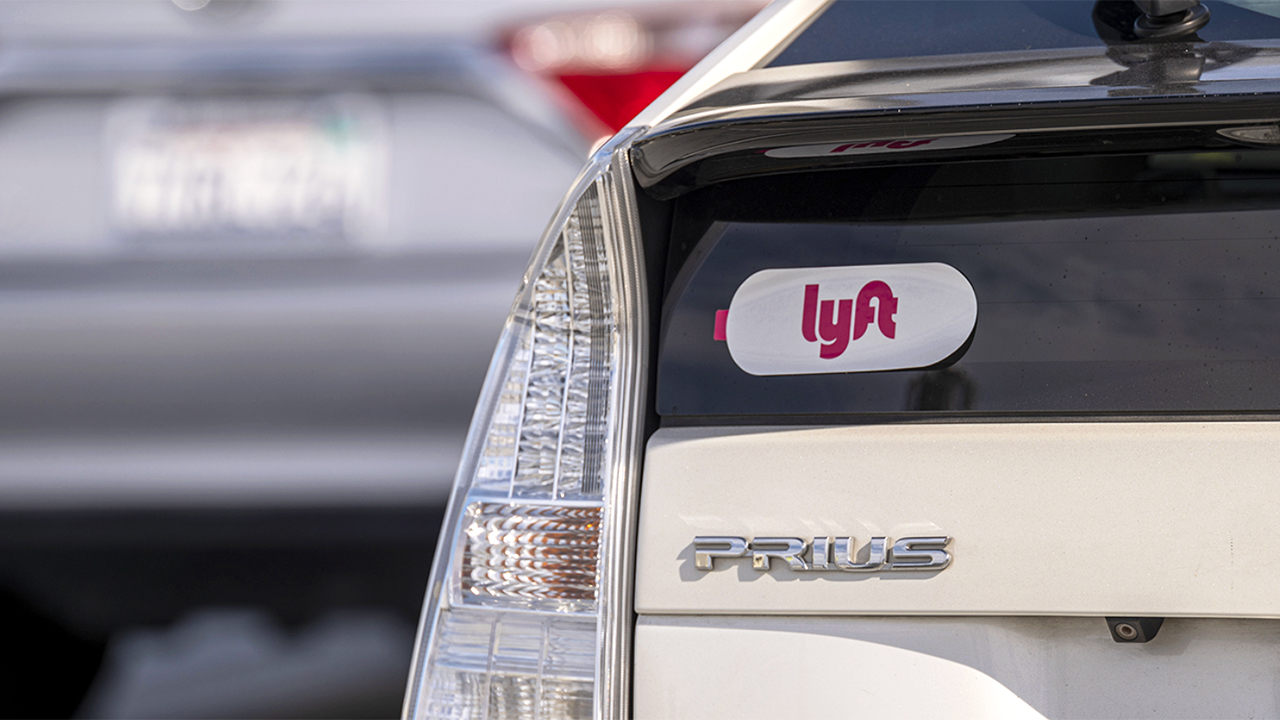
Lyft has agreed to pay $272.5 million to resolve a multi-year lawsuit brought by California officials alleging the company misclassified drivers as independent contractors and deprived them of minimum wages and other workplace protections between 2016 and 2020. The proposed settlement — which still requires court approval — would put roughly $237 million into a third-party fund to be distributed to eligible drivers based on hours worked and miles driven during the covered period.
What the settlement covers
Under the terms announced by California Attorney General Rob Bonta and the city attorneys for Los Angeles, San Diego and San Francisco, Lyft will pay a total of $272.5 million. The lion’s share of that money is earmarked to compensate drivers for the period of April 2016 through December 2020, with eligibility and payment amounts determined by a third-party administrator once the settlement is approved and payments begin.
Officials call the deal historic
California Attorney General Rob Bonta called the settlement “a landmark win for workers” and said it is the largest misclassification settlement in the state’s history. Bonta emphasized that rideshare companies have “enjoyed massive growth and profits on the backs of drivers,” many from immigrant communities and communities of color, and that misclassification shifts costs and protections away from workers and onto taxpayers.
Lyft’s stance and the legal backdrop
Lyft agreed to the settlement to end the litigation but maintains it did not engage in wrongdoing. The case is one of several high-profile legal and legislative battles over how gig economy companies classify their workforce. California’s Assembly Bill 5 (AB5) and related legal disputes have made the state a major battleground over whether app-based drivers should be employees or independent contractors. The outcome of this settlement — and any similar cases — will influence industry practices and potential future regulation.
Practical impact for drivers
- Distribution: About $237 million will be placed in a fund for drivers; payouts will be based on documented hours and miles driven during April 2016–December 2020.
- Notification: Once the court approves the settlement and Lyft disburses funds, eligible drivers will be notified by the third-party administrator with instructions for submitting claims for restitution.
- Compensation context: Between 2016 and 2020, Lyft reported approximately $9.5 billion in revenue. Independent data sources have estimated many Lyft drivers’ take-home pay (after expenses) at roughly $11–$18 per hour during similar timeframes, underscoring concerns raised by plaintiffs about low net earnings.
Why this matters
This settlement is significant for three reasons:
- Scale: At $272.5 million, it is one of the largest misclassification-related settlements in California history and signals substantial monetary exposure for gig platforms facing similar claims.
- Precedent and pressure: High-profile settlements and regulatory pressure raise the bar for compliance and may prompt companies to rethink compensation models, worker protections, and classification practices.
- Policy implications: The case highlights the limits of the independent contractor model for app-based work and strengthens the argument for clearer rules or new frameworks to protect gig workers without stifling the platform economy.
Next steps
The settlement must be approved by the court before funds are distributed. If approved, the third-party administrator will notify eligible drivers about the claims process and the documentation required to receive restitution. Regulators and plaintiffs in other jurisdictions will likely watch the implementation and payouts closely; future litigation and legislation could build on this outcome.
Further reading and sources
- Reuters — Lyft to pay $272.5 million to settle California wage-theft claims
- Fox Business — coverage of Lyft settlement and related labor issues
- California Attorney General — Office of the Attorney General press releases and statements
- Los Angeles Times — reporting on gig-economy legal battles and local impact
- ShiftTracker — driver-pay estimates used as context for net earnings
As litigation continues and as policymakers reassess how to regulate platform work, settlements like this one will shape both company practices and the economic realities of millions of gig workers. Drivers seeking restitution should watch for official notices from the court-appointed administrator and keep records of hours and miles driven during the covered period.