



Overview
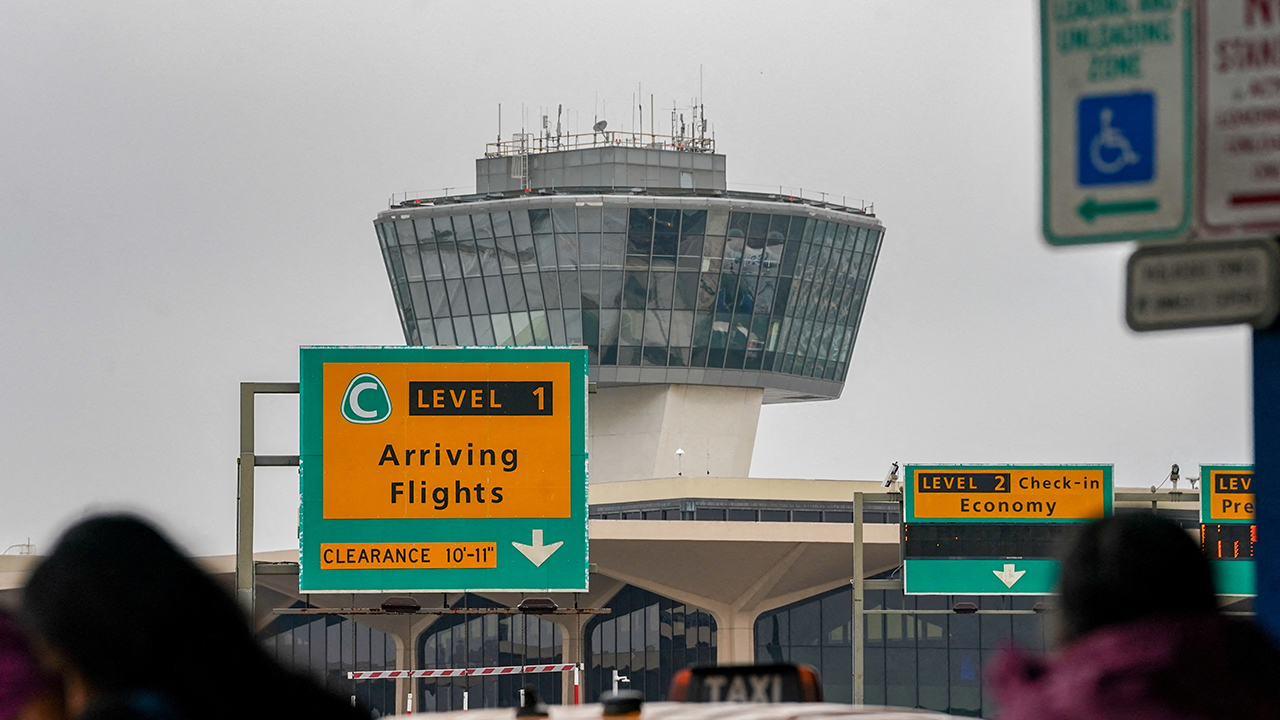
On Monday morning a severed fiber-optic cable in New Jersey caused a telecommunications outage that led to ground stops and major disruptions at airports across the Northeast corridor. The outage began around 9:45 a.m., prompting the FAA to halt departures at key hubs in New York, New Jersey and Philadelphia and contributing to thousands of flight delays and cancellations as airline networks struggled to absorb the shock.
Timeline of the Incident
- ~9:45 a.m. — A fiber-optic line in New Jersey was accidentally cut, causing local telecommunications outages that affected air traffic operations.
- Shortly after — The FAA implemented ground stops at major Northeast airports as affected facilities and systems lost reliable communications.
- By evening — Transportation officials reported that the telecommunications lines had been repaired and that airport operations were resuming, though travelers were warned to expect ongoing delays as airline networks recovered.
How One Cut Causes Widespread Disruption
Airline route networks are highly interconnected. Flights, crews, and aircraft are scheduled in tight sequences across hubs; a delay or ground stop in one location forces rapid, complex rescheduling to avoid cascading disruptions. As Rich Davis, senior security advisor at International SOS and former United Airlines chief security officer, put it, these networks are “like a spider web,” where even a localized outage can ripple through the system and disproportionately affect passengers with connecting itineraries.
Scale of the Impact
Industry tracking services reported thousands of disruptions tied to the outage, including several thousand delays and hundreds of cancellations regionally. Airlines had to reposition aircraft and crews, triggering secondary cancellations and turnaround delays that continued into the evening even after physical repairs were completed at the damaged cable site.
Operational and Safety Priorities
Airlines and airports classify incidents like this under “irregular operations” — unplanned events such as equipment failures or severe weather that require emergency schedule recovery. While airlines work quickly to restore service, they emphasize that safety remains the top priority: restoring schedules must never come at the expense of safe operations.
What Travelers Should Know and Do
- Check the status of your flight directly with your airline before heading to the airport.
- Allow extra time for airport processing and expect longer lines at customer service desks as airlines accommodate rebooked passengers.
- If you have a tight connection, contact your airline as early as possible to explore alternate routings or rebooking options.
- Sign up for airline text or email alerts and monitor authoritative trackers for live status updates.
Broader Lessons: Resilience of Critical Infrastructure
This incident underscores two linked realities: modern transportation depends on resilient telecommunications and even small points of physical vulnerability — a single cut fiber — can have outsized effects, and airlines’ tightly optimized schedules make recovery from local outages time-consuming. The event is a reminder for policymakers and operators to continue investing in redundancy, rapid repair protocols, and contingency planning across both telecom and aviation systems.
Sources & Further Reading
- Reporting on the fiber-optic outage and aviation ground stops: Reuters
- Industry and on-the-record comments from aviation/security experts: Fox Business
- Real-time flight tracking and disruption tallies: FlightAware
- Operational guidance and FAA notices: Federal Aviation Administration (FAA)
- Context on crisis management in aviation security: International SOS
Note: For the most current, flight-specific information consult your airline and official airport advisories. This summary synthesizes initial reporting and industry reaction to the outage and the operational ripple effects that followed.