
Summary
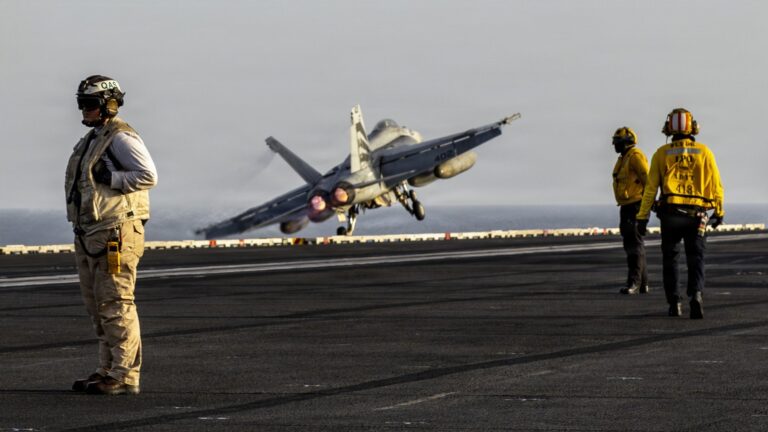
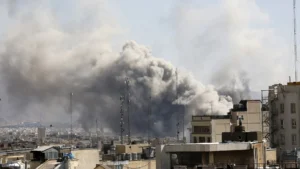
The House of Representatives voted to limit former President Donald Trump’s authority to conduct military operations in or against Iran for the third time, a measure that passed with bipartisan support after seven House Republicans joined Democrats. Lawmakers cited rising direct and indirect costs of the conflict, growing public concern, and constitutional questions about congressional war powers as driving forces behind the vote.
What the Vote Did
The measure, brought to the floor as an amendment/restriction on executive authority, sought to curtail the administration’s ability to launch or expand military action against Iran without a fresh authorization from Congress. Supporters argued the vote reaffirmed Congress’s constitutional role in declaring war and checked unilateral military engagements that could escalate costs and regional instability. Opponents warned it could tie the hands of commanders and reduce U.S. flexibility to deter threats.
Political Dynamics
The bipartisan tally—driven by seven Republicans crossing party lines—reflects growing discomfort in both parties about an open-ended or expanding U.S. role in conflict with Iran. For Republicans who voted with Democrats, fiscal concerns and constituent pressure over potential troop commitments and defense spending were significant motivators. Democrats emphasized oversight, limits on executive power, and the need to avoid another prolonged foreign entanglement without clear congressional authorization.
Fiscal and Human Costs
Lawmakers advancing the limitation repeatedly pointed to rising costs: increased defense spending requests, potential troop deployments, and the economic consequences of broader regional conflict, including energy market volatility. Beyond budgets, members referenced risks to U.S. service members and allied personnel and the humanitarian toll on civilians in the region—factors that amplify calls for congressional oversight before further escalation.
Legal and Constitutional Context
The vote occurs against a long-running debate over the War Powers Resolution of 1973 and the constitutional allocation of war-declaring authority. Historically, Congress has used a mix of formal Authorizations for Use of Military Force (AUMFs), appropriations riders, and floor resolutions to influence military policy. This latest action is part of that tradition—an effort to reassert legislative checks on executive war-making power without necessarily preventing carefully limited, authorized actions.
Regional and International Implications
Limitations on unilateral executive action toward Iran send diplomatic signals: they can strengthen U.S. leverage by demonstrating domestic constraints, but they may also create perceptions of reduced U.S. responsiveness that adversaries could seek to exploit. Allies and partners watching Congress will weigh whether the legislative direction stabilizes or complicates coalition planning. For Tehran, congressional limits may be viewed as narrowing immediate U.S. options, potentially influencing Iranian calculations about escalation and negotiation.
What Comes Next
- Senate action: The measure may be brought to the Senate or influence companion proposals there; any difference in outcome will depend on Senate dynamics and the White House response.
- Administration response: The White House could veto or attempt to negotiate, or it could interpret the vote as a political constraint while retaining other authorities.
- Legal challenges and oversight: Expect continued committee hearings, potential litigation, and renewed debate about a modern, narrowly tailored AUMF or statutory guardrails for the use of force.
Analysis: Why This Vote Matters
Beyond the immediate policy change, the vote signals a growing willingness among some lawmakers to cross party lines on national security when fiscal and constitutional concerns align with constituent sentiment. It underscores an important dynamic in modern U.S. governance: foreign policy and defense decisions increasingly intersect with domestic politics, budgetary scrutiny, and public opinion. If sustained, this trend could reshape how successive administrations engage in military operations and negotiate with adversaries.
Sources and Further Reading
Note: This article was drafted using the RSS excerpt provided and historical context on congressional war-powers debates. For up-to-the-minute reporting and primary sources, consult the outlets and resources below. Replace or supplement these links with specific articles as needed for publication.
- Reuters — search: Iran war powers
- Associated Press — search: Iran Congress war powers
- The New York Times — search: Iran war powers Congress
- Politico — search: Iran war powers
- The Washington Post — search: Iran war powers
- Congress.gov — search for bill texts and roll-call votes
- U.S. Government Publishing Office — Congressional Record and related documents
Editorial note: Confirm the final vote totals, bill number, sponsor(s), and direct quotes from floor remarks or committee statements using the primary sources linked above before publishing.