


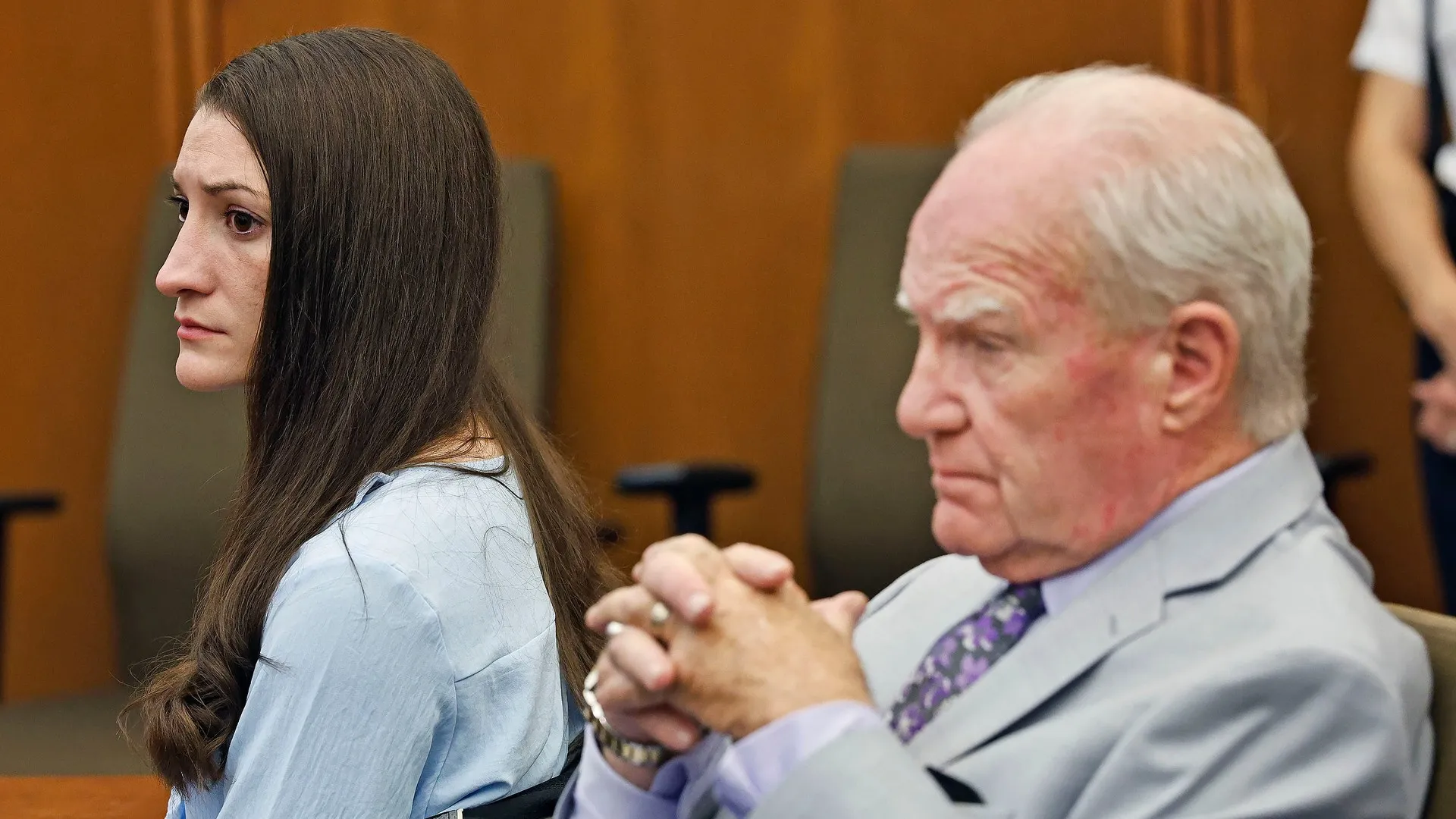
“The jury has spent about 30 hours over five days trying to reach a verdict, and jurors have told the judge twice now that it’s deadlocked.”
That line — short, factual and heavy with consequence — is increasingly familiar in courtrooms across the country. A deadlocked, or “hung,” jury stops a verdict in its tracks and forces the legal system to make difficult choices: declare a mistrial, try again, or urge jurors to keep deliberating. Beyond courtroom procedure, hung juries raise questions about fairness, resources and public confidence in justice.
What exactly is a hung jury?
A hung jury occurs when jurors cannot reach the unanimous decision required in most criminal cases (or the required majority in some civil cases and in some states). When consensus cannot be achieved after reasonable deliberation, a judge may declare the jurors deadlocked and consider next steps. The legal definition and consequences are laid out in legal resources and court rules across jurisdictions.
What options does a judge have?
- Give additional instructions (an “Allen charge”): Judges sometimes give a supplemental instruction urging jurors to re-examine their positions and try again, emphasizing fairness and respect for differing views. Known as an “Allen charge,” it must be carefully worded to avoid coercing minority jurors to give in. (See: Allen charge — Wikipedia.)
- Declare a mistrial: If jurors remain deadlocked, the judge can declare a mistrial. That ends the current trial without a verdict; prosecutors then decide whether to dismiss charges, negotiate a plea, or retry the case with a new jury.
- Continue deliberations: Sometimes judges send jurors back for additional time to see if consensus can be reached, particularly if deliberations are still in early stages.
Why hung juries happen
Jurors can become deadlocked for many reasons: differing interpretations of complex evidence, cultural or experiential divides among jurors, persuasive expert testimony that splits opinion, or legal instructions that leave room for reasonable doubt. High-profile or politically charged cases can amplify these divisions, but many hung juries arise from the ordinary difficulties of weighing evidence and testimony.
Practical and human consequences
Hung juries carry costs beyond legal technicalities. They consume court time and taxpayer dollars; they prolong uncertainty for defendants, victims and families; and they can leave communities feeling that justice was not fully served. For defendants, a mistrial means the charges still hang in the balance — a retrial can impose emotional and financial strain and extend media exposure. For victims and witnesses, the sense of closure associated with a verdict can be delayed or denied.
What happens next — and how prosecutors decide
After a mistrial for deadlock, the prosecution weighs several factors before deciding to retry: the strength and clarity of the evidence, the cost and likelihood of winning a retrial, the wishes of the victim (where applicable), and broader legal or policy considerations. In some cases, prosecutors drop charges or negotiate a plea; in others, they proceed to a new trial, seeking a different jury and sometimes different presentation strategies.
Broader implications for the justice system
Hung juries highlight tensions at the heart of adversarial justice: the need for unanimous conviction to protect against wrongful conviction, and the practical need to resolve disputes and provide closure. They also spur debate over jury selection, juror education, and whether some cases might be better resolved through alternatives (e.g., plea bargaining, restorative justice approaches) while preserving defendants’ rights.
What jurors and lawyers say matters
Legal practitioners stress care in jury instructions and in presenting evidence so that jurors understand technical issues without being overwhelmed. Jurors who reach impasse often report frustration — not with the system’s principles, but with the complexity of the facts or the emotional weight of deciding another person’s fate. That human element is critical: behind every deadlock are twelve people trying to apply the law honestly to the facts they observed.
Bottom line
A deadlocked jury is a signal, not an answer. It tells the court that, with the facts and arguments presented, twelve citizens could not agree. The legal system has tools to respond — from additional instructions to retrial — but each option carries legal, financial and human costs. As courts and communities confront these outcomes, the deeper questions remain: how to structure trials so jurors can make clear, informed decisions, and how to balance finality with fairness in a system built on the deliberations of ordinary people.
Sources and further reading
- Cornell Law School, Legal Information Institute — Hung jury
- United States Courts — Jury Service (overview of juries and procedures)
- Wikipedia — Allen charge (supplemental jury instruction)
Note: This article uses a representative courtroom phrase as a launch point to explain how juries reach — or fail to reach — verdicts, what judges can do when jurors are deadlocked, and the broader human and institutional consequences. For case-specific reporting, consult recent local or national trial coverage from reputable news outlets.