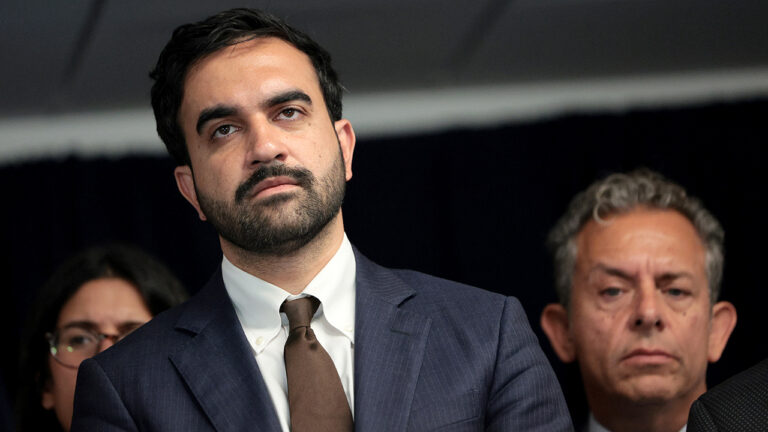




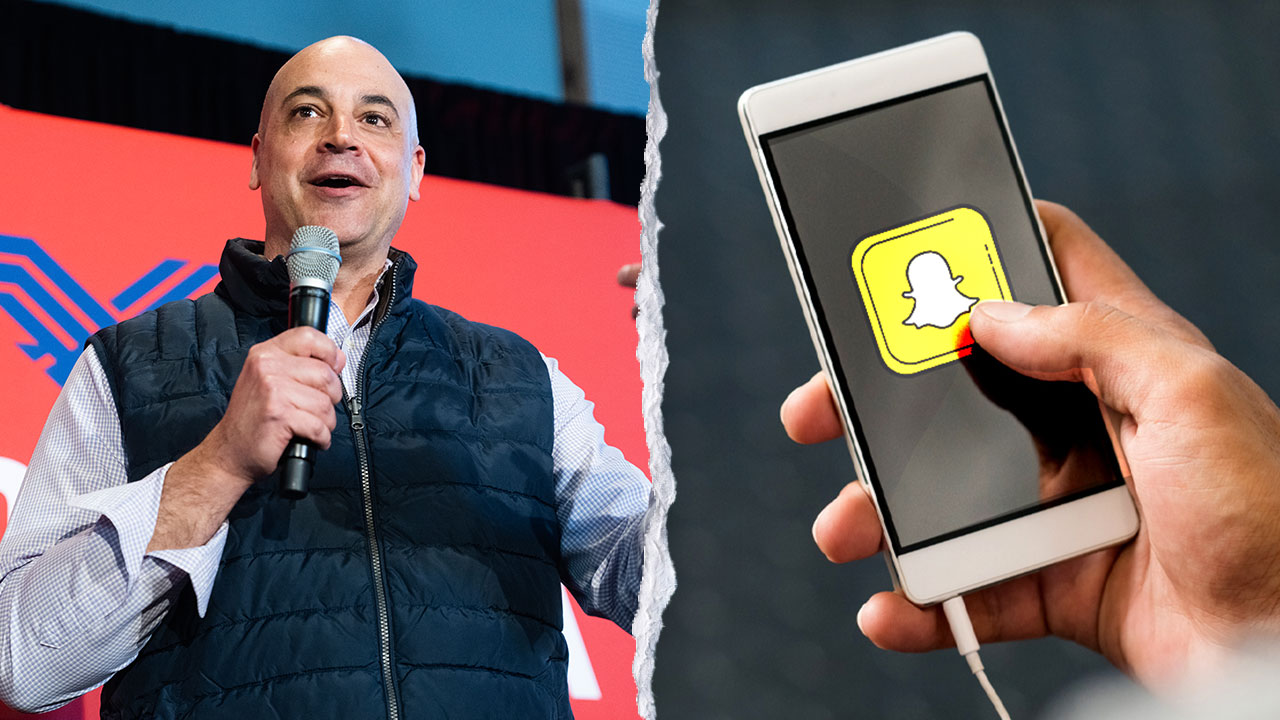
Pennsylvania Attorney General Michelle (Dave) Sunday filed suit against Snap Inc. on Tuesday, accusing the company of designing Snapchat to keep young users “compulsively engaged” while obscuring the risks and mature content available to minors. The complaint, filed in Philadelphia County Court, targets product features such as Snapstreaks, infinite scrolling, push notifications, autoplay and disappearing messages as mechanisms that increase time-on-app, ad revenue and exposure to harmful content for underage users.
What the lawsuit alleges
- The state says Snapchat has millions of users in Pennsylvania, including tens of thousands under 16, and that Snap generates significant annual revenue from users in the state.
- Pennsylvania contends that features like Snapstreaks create social pressure for young users to keep returning to the app and even pay to restore streaks, effectively monetizing compulsive behaviors.
- The complaint argues Snap misled consumers and regulators by accepting app store ratings (13+ in Apple’s App Store, “T for Teen” on Google Play and Microsoft stores) that do not reflect the mature material accessible to those accounts.
- An investigator for the Attorney General’s Office reportedly created a Snapchat account with a 13-year-old birthdate and found access to content containing profanity, drug and alcohol references and sexual material.
- Pennsylvania seeks a court declaration that Snap’s practices violate the state’s Unfair Trade Practices and Consumer Protection Law, civil penalties and injunctions to prevent future violations.
Responses from the parties
Attorney General Sunday said the suit demands Snap publicly acknowledge the addictive design of its platform and take meaningful action to protect young users. In a statement to the press (included in the reporting), Snap disputed the allegations, saying the platform was designed differently—opening to a camera instead of a content feed—and emphasizing its focus on teen safety, safeguards and educational resources. Snap also expressed disappointment the state chose litigation over collaboration.
How this fits a wider pattern
The Pennsylvania action follows a similar suit filed recently by the same Attorney General against TikTok alleging addictive features and misleading safety ratings. The Snap complaint echoes themes from earlier investigations and lawsuits aimed at major social platforms: that product design choices intentionally increase engagement, particularly among adolescents, and that companies understate the risks and mature content available to younger audiences.
Legal theories in such cases commonly rely on state consumer-protection statutes (unfair and deceptive trade practices) and allege that companies misrepresented safety or failed to disclose foreseeable harms caused by their design choices. Remedies sought often include civil penalties, injunctive relief to change product features or disclosures, and sometimes mandatory reporting or independent monitoring.
Potential implications
- Regulatory and litigation risk for social platforms: A favorable result for Pennsylvania could encourage other states to file similar suits or push for stronger state-level rules to protect minors online.
- Product changes and compliance costs: If courts order injunctive relief or settlements, Snap and other companies could be required to alter product defaults, strengthen age verification, or limit features that foster compulsive use among minors.
- Ad business and monetization: Legal limits on engagement-driving features could affect time-on-site metrics that underpin ad revenue models, prompting business-model reevaluation.
- Parental and public awareness: High-profile litigation draws attention to feature designs (e.g., streaks, autoplay) parents may not understand as manipulative, possibly accelerating demand for more transparent controls and education.
What parents and guardians can do now
- Review and enable in-app safety and privacy settings where available; many platforms offer parental controls, friend-only content limits and usage timers.
- Talk with children about why some features (streaks, push notifications, autoplay) are designed to increase engagement and how they can affect mood, sleep and relationships.
- Consider device-level tools: screen-time limits, app blockers and scheduled “downtime” can reduce compulsive checking.
- Encourage offline activities and model boundaries around device use to help adolescents form healthier habits.
Next steps in the legal process
The complaint initiates civil litigation in Pennsylvania. Snap is expected to respond through legal filings; the parties may litigate motions to dismiss, engage in discovery, or seek settlement. The case could also attract coordinated enforcement actions by other states or precipitate broader legislative responses at the state or federal level aimed at regulating youth-targeted design features in social apps.
Sources
This article is based on the reporting provided in the RSS feed text supplied for this assignment, including statements attributed to the Pennsylvania Attorney General’s Office and Snap Inc. For the original reporting referenced in this piece, consult mainstream coverage of the Pennsylvania Attorney General’s lawsuit against Snap (e.g., Fox Business and other major outlets reporting on the complaint) and the Pennsylvania Attorney General’s public releases on the matter.
Note: This article summarizes the allegations and public statements at filing. The lawsuit’s allegations are claims that have not been adjudicated and are disputed by Snap.