



Summary
Heavy rain and flash flooding across parts of the U.S. Midwest forced emergency rescues and prompted evacuations in Indiana while new storms threatened additional states including Iowa, Illinois, Ohio and West Virginia. Local emergency agencies activated response protocols as rivers and urban drainage systems were overwhelmed in low-lying and rapidly inundated areas. This article summarizes the immediate situation, explains the underlying weather and climate drivers, and offers practical safety guidance and resources for residents and responders.
What happened on the ground
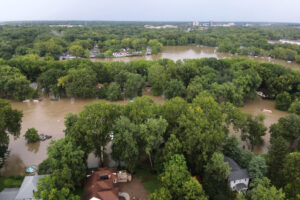
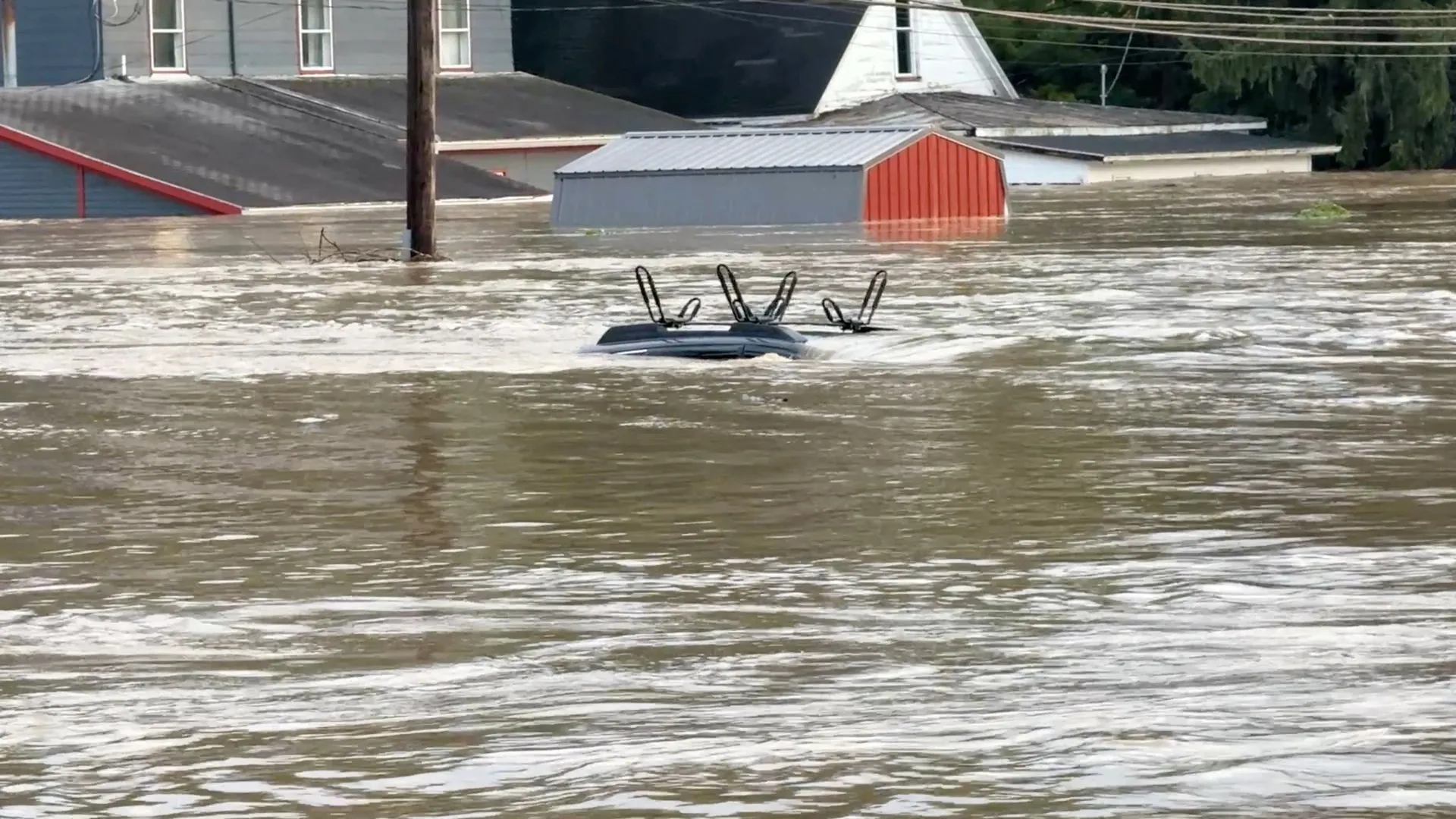
Intense rainfall in a short period led to flash flooding — the primary cause of road closures, life-safety rescues and voluntary or mandatory evacuations in impacted communities. In these events, smaller creeks and urban storm sewers can rise quickly, trapping people in vehicles, homes and on roadways. Emergency responders prioritized immediate life-safety operations and evacuation of at-risk neighborhoods while monitoring forecast updates for additional heavy precipitation.
Why this is happening: meteorological and climate context
Flash flooding is often linked to slow-moving storm systems or “training” thunderstorms (storms that follow over the same area, repeatedly dumping rain). These synoptic setups, combined with saturated soils or already-high river levels, magnify flood risk when intense rainfall occurs.
Longer-term trends also matter. Scientists have documented an increase in heavy precipitation events across much of the United States as a warmer atmosphere can hold more moisture, increasing the potential for extreme rainfall and associated flooding. For background on the trend and its implications, see the U.S. Environmental Protection Agency’s summary of heavy-precipitation trends: EPA: Heavy Precipitation, and the National Weather Service’s guidance on flood safety and flash flooding: NWS Flood Safety.
Public-safety and infrastructure impacts
- Road and bridge closures are common during flash floods; water levels can rise rapidly and current can easily sweep vehicles off the road.
- Power outages and localized utility interruptions often follow flooding when water damages electrical equipment or access routes for crews are blocked.
- Floodwaters can contaminate drinking water, spread debris and create hazardous conditions for cleanup and recovery.
What residents should do now
- Follow local emergency management and law enforcement instructions immediately. If ordered to evacuate, do so without delay.
- Heed official watches and warnings. Sign up for wireless emergency alerts (WEA), and monitor local National Weather Service watches and warnings at weather.gov.
- Never drive through flooded roadways. Turn Around, Don’t Drown — six inches of moving water can knock over an adult; one foot can carry away a car.
- If you must shelter in place, move to the highest safe ground, avoid basements or low areas that may fill with water, and avoid contact with floodwater which can be contaminated.
- After waters recede, follow public-health guidance for safe cleanup and avoid re-entering buildings until they have been declared safe. See CDC guidance on flood cleanup: CDC — Floods and Disasters.
How communities and agencies respond
State and local emergency management agencies coordinate search-and-rescue, evacuation, sheltering and recovery operations — often working with the American Red Cross and volunteer organizations. For preparedness and recovery resources, see FEMA’s flood resources at FEMA: Floods and the American Red Cross flood preparedness page: Red Cross — Floods.
What to watch next
Forecasters typically provide updated flash-flood guidance, river-stage forecasts and watches/warnings as storms evolve. Residents in the threatened states should monitor local National Weather Service offices and their county or state emergency-management social feeds for real-time instructions. If storms continue to produce heavy rainfall, expect extended road closures, potential shelter needs and multi-agency recovery operations.
Resources and references
- National Weather Service — Flood Safety: https://www.weather.gov/safety/flood
- EPA — Climate Change Indicators: Heavy Precipitation: https://www.epa.gov/climate-indicators/climate-change-indicators-heavy-precipitation
- FEMA — Floods: https://www.fema.gov/floods
- Red Cross — Floods: https://www.redcross.org/get-help/how-to-prepare-for-emergencies/types-of-emergencies/flood.html
- CDC — Floods and Disasters: https://www.cdc.gov/disasters/floods/index.html
- For local alerts and river forecasts, visit the National Weather Service page for your area: https://www.weather.gov
Closing
As response and recovery continue, the immediate priority remains life safety: evacuations where needed, search and rescue for those trapped by floodwaters, and timely public information. Residents in the Midwest should stay alert to forecast changes, avoid floodwaters, and use the authoritative resources above for guidance on safety and recovery.