



Clothing-Optional Dining at a South Florida Steakhouse: What’s Driving the Buzz?
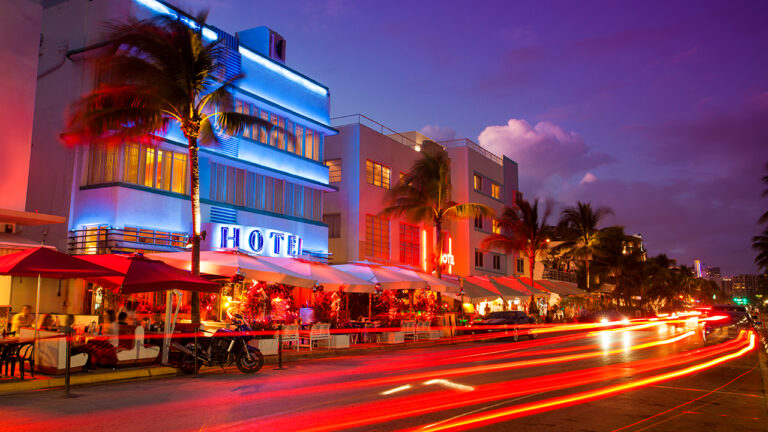
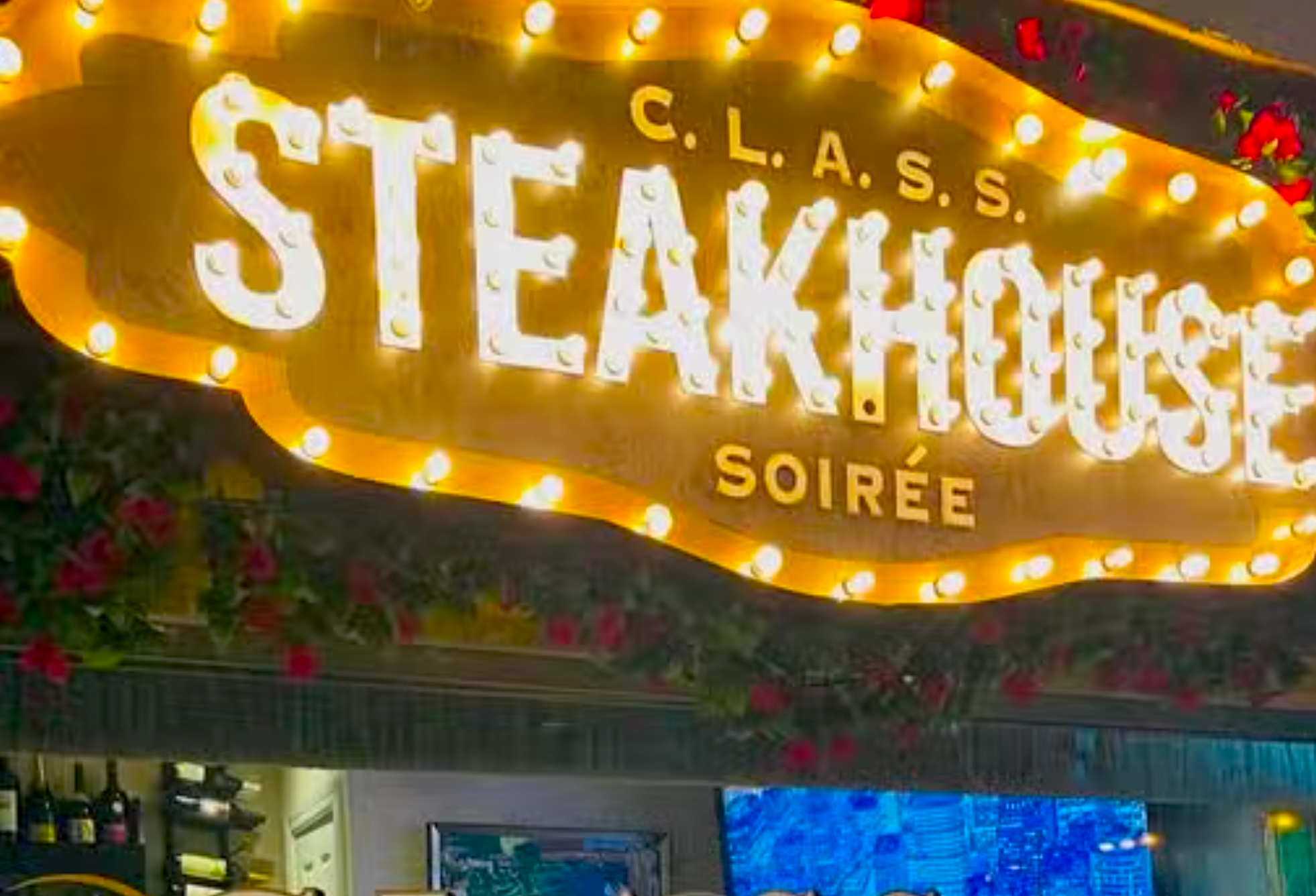
A South Florida steakhouse recently launched a clothing-optional dinner series that quickly leapt from a local curiosity to a national conversation. The idea — marketed as an adults-only, consensual dining experience where patrons may choose to dine without clothes — has drawn attention for its novelty, its clash with mainstream dining norms, and the wider questions it raises about privacy, consent, and hospitality in the experience economy.
How the story spread
The event first attracted local attention through social posts and community word-of-mouth; within days, national outlets and social feeds amplified the story, turning a themed night at a single restaurant into a viral cultural moment. Social platforms played a central role in accelerating interest: short clips and screenshots circulated rapidly, generating debate across demographic and ideological lines.
Why it landed in the national spotlight
- Shock value and novelty: Clothing-optional dining is rare in mainstream restaurant contexts, and the idea itself is enough to tug at curiosity and controversy—two potent drivers of online virality.
- Experience-driven hospitality: Restaurants increasingly compete by offering unforgettable experiences, from pop-ups and immersive dinners to themed nights. A clothing-optional evening fits into that push to stand out and create shareable moments.
- Culture wars and optics: Anything that touches on public decency, body norms, or sexual expression tends to trigger polarized responses, which increases media pickup.
Legal and regulatory considerations
Events like this sit at the intersection of private business autonomy and local public-decency laws. Many municipalities differentiate between public nudity (typically regulated) and private, consensual events on private property. However, restaurants must still consider:
- Local ordinances: Some cities or counties have strict public-nudity or indecent-exposure statutes that extend into private events depending on visibility and community standards.
- Liquor licensing: Alcohol regulators often have clauses about the nature of activities permitted at licensed premises; provocative or adult-only events can trigger reviews or additional conditions.
- Liability and safety: Management must ensure consent, protect patron privacy, and mitigate any situations that could become unsafe or legally fraught.
Business implications
For the steakhouse, the immediate commercial effects are clear: a surge in bookings, social engagement, and earned media attention. But there are trade-offs to consider:
- Short-term lift vs. long-term brand: Novelty nights can generate spikes in revenue and visibility, but they risk alienating regular customers or changing public perception of a brand permanently.
- Operational complexity: Ensuring appropriate staffing, security, and policies for consent and privacy increases costs and managerial burden.
- Partnership risk: Third-party partners (suppliers, payment processors, PR partners) may be hesitant to be publicly associated with adult-themed events.
Social, cultural, and ethical context
Beyond the business calculus, the phenomenon taps into broader cultural conversations about bodily autonomy, normalization of nudity, and evolving boundaries in public versus private spaces. Reactions vary widely:
- Champions of body positivity may view clothing-optional events as de-stigmatizing and empowering.
- Conservative voices often frame the events as degrading or inappropriate for a dining setting.
- Neutral observers raise pragmatic concerns about consent, sanitation, and the safety of staff and patrons.
Practical considerations for patrons and operators
- Consent and communication: Clear rules and advance communication about the event’s nature are essential. Everyone present should be able to make informed choices.
- Privacy protections: Policies about photography, videography, and social sharing help protect participants and reduce legal exposure.
- Staff training: Servers and staff should be trained on how to handle uncomfortable situations, boundaries, and de-escalation.
What this means for the restaurant scene
The rise of themed and experiential dining indicates a hospitality sector willing to take creative risks. For some businesses, boundary-pushing events are an effective way to stand out. For others, maintaining a consistent brand and broad appeal remains the safer path. How this particular trend evolves will depend on regulatory responses, persistent consumer demand, and whether other establishments adopt similar programming.
Takeaways
• The steakhouse’s clothing-optional dinner series is a textbook example of how localized, provocative concepts can become national cultural conversations in the social-media age.
• Restaurants can capitalize on novelty, but they must balance buzz with legal, ethical, and operational responsibilities.
• The episode feeds broader debates about body norms, privacy, and the limits of experiential hospitality.
Sources and further reading (to be hyperlinked as needed)
- Local coverage and reporting from South Florida outlets — for details on the specific restaurant and local reactions (e.g., Miami Herald, local TV affiliates).
- National news outlets that cover viral restaurant stories and cultural trends (e.g., NBC News, New York Post, The New York Times).
- Industry reporting on experiential dining and hospitality trends (e.g., Eater, Nation’s Restaurant News).
- Legal overviews of public nudity and private-event regulations from municipal codes and legal commentaries.
Editor’s note: This article is written to be human-readable and paste-ready for publication. If you’d like, I can add direct hyperlinks to the specific articles and local ordinances referenced above; please share preferred sources or grant permission to fetch current links and I will embed them inline.