


Editor’s note: This article discusses self-harm and suicide-related content. If you or someone you know is in crisis, immediate help is available: call or text 988 or visit the 988 Lifeline website.
What happened
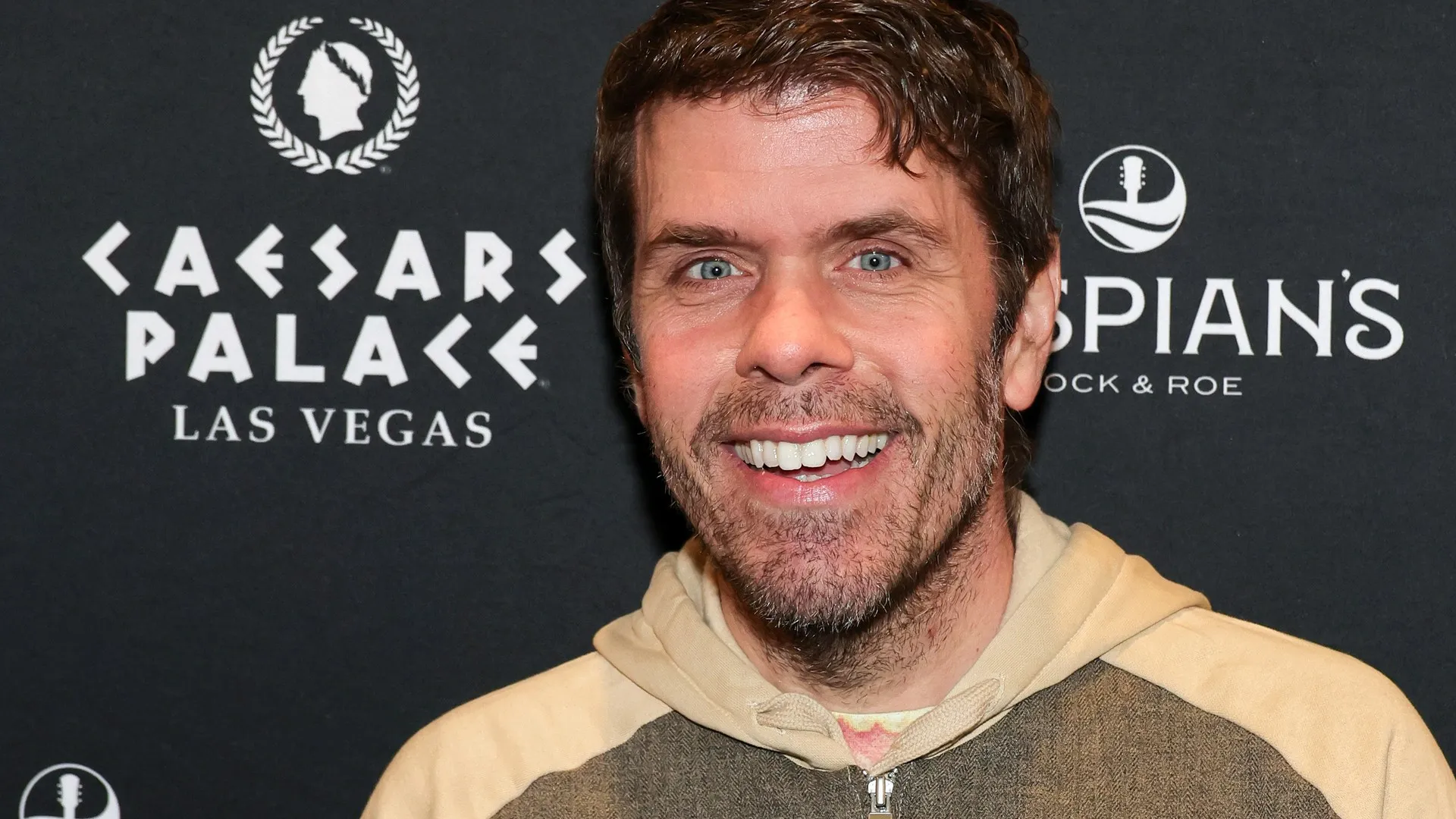
According to the initial reporting, celebrity blogger Perez Hilton was transported to a Miami-area hospital after appearing on a TikTok livestream with visible injuries consistent with self-harm. Miami-Dade deputies responded after multiple 911 calls; law enforcement reports indicate deputies found Hilton alone at his home and that crisis-intervention and licensed mental-health personnel were involved in the response. Hilton’s family and team later released a brief statement confirming he is receiving medical care, asking for privacy, and saying he is able to communicate—information they said has given the family hope.
Why this matters beyond the individual incident
Three overlapping issues make this incident notable beyond the immediate news: the mental-health risks that can affect public figures, how social platforms detect and act on self-harm content, and how emergency responders coordinate with mental-health professionals during crises.
Mental health and public life
Public figures who share their lives online face unique stresses—intense scrutiny, sustained public commentary, and the pressure to perform—which can exacerbate mental-health challenges. When a moment of crisis is broadcast live, it raises difficult questions about privacy, safety and the responsibilities of platforms, followers, and friends to intervene. Families and care teams frequently ask for privacy while also balancing the public’s interest and the need for timely help.
Platform moderation and automation
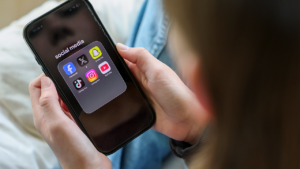
Platforms like TikTok rely heavily on automated detection systems to flag content that may indicate self-harm or other crises. Those systems can enable a rapid response when they work well, but they are not perfect. The reporting around this incident indicates TikTok’s automated systems flagged the livestream but that a moderation error delayed removal; the company says it ultimately alerted law enforcement, removed the video and disabled the account. This highlights ongoing challenges in content moderation: speed, accuracy, and the limits of automation in distinguishing between genuine crises and other content. Platforms also must balance removing harmful content with connecting people in crisis to resources and human reviewers.
Emergency response and crisis intervention
Law enforcement agencies increasingly work with crisis response units and mental-health professionals to de-escalate situations and connect individuals with appropriate care rather than default to arrest or incarceration. The presence of trained crisis workers during the response to this incident—per reports that Miami-Dade’s crisis unit and licensed mental-health professionals supported Hilton and his family—is an example of that evolving approach. Coordination between dispatchers, law enforcement, crisis specialists and medical services can be critical in reducing harm and stabilizing a person in crisis.
Context and takeaways
- Privacy vs. public safety: Families and care teams may ask for privacy after a public incident; at the same time, timely, factual updates can help curb speculation and misinformation.
- Platforms must keep improving: Automated detection and human moderation both have roles. Errors or delays in moderation can have real-world consequences; transparency about failures and improvements matters.
- Crisis-response best practices work: Early involvement of trained mental-health professionals, de-escalation techniques and a medical route to care (rather than punitive measures) reflect a growing consensus on how to handle many behavioral-health crises safely.
Resources and where to get help
If you or someone you know is experiencing thoughts of self-harm or suicide, help is available immediately:
- U.S. National Suicide & Crisis Lifeline: https://988lifeline.org (Call or text 988.)
- Substance Abuse and Mental Health Services Administration (SAMHSA): https://www.samhsa.gov/find-help/national-helpline
- Centers for Disease Control and Prevention — Mental Health: https://www.cdc.gov/mentalhealth
- TikTok Safety Center (information on how the platform addresses self-harm content): https://www.tiktok.com/safety/en/
What to watch next
Expect a few follow-ups in the coming days: any additional statement from Hilton’s family or representatives, potential briefing from local law enforcement or health services about the response, and likely commentary from social platforms about what went wrong with content moderation in this case and what they will change. More broadly, this incident will likely reinvigorate conversations about how social platforms detect harm, how fast they act, and how emergency services and mental-health experts can collaborate to reduce harm in livestreamed crises.
Sources and further reading
This article was written based on the incident details provided in the report you supplied and the following public resources on crisis response and platform safety:
- 988 Lifeline — Immediate crisis support and resources.
- SAMHSA National Helpline — Behavioral health treatment services locator and resources.
- CDC: Mental Health — Data and guidance on mental-health care and prevention.
- TikTok Safety Center — Platform policies and resources related to self-harm and safety.
If new official statements or verified reporting from news organizations become available, those will provide additional facts and context about this specific case.