



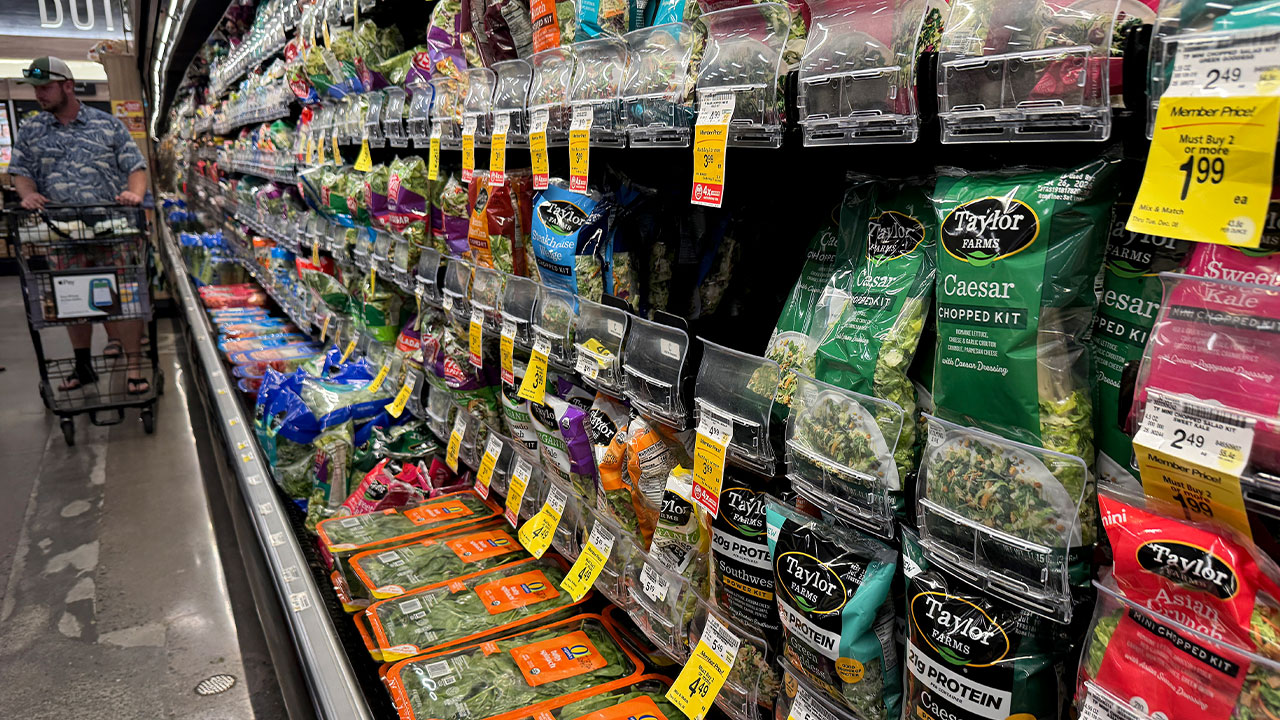
Sysco, the nation’s largest food distributor, has moved to stop purchasing iceberg lettuce sourced from Mexico amid an ongoing federal investigation into a multistate cyclosporiasis outbreak that has been linked to the product. The distributor’s decision follows reporting that the outbreak has been connected to iceberg lettuce sourced from central Mexico through Taylor Farms de Mexico and to voluntary recalls of certain iceberg lettuce products by Taylor Farms’ U.S. business.
What happened
Federal public health agencies, including the Centers for Disease Control and Prevention (CDC) and the Food and Drug Administration (FDA), are investigating a large, multistate outbreak of cyclosporiasis. The illness is caused by the parasite Cyclospora cayetanensis and typically causes watery, sometimes prolonged diarrhea along with abdominal cramping, bloating, nausea and fatigue. Public reporting associated with the outbreak has linked cases to iceberg lettuce originating from central Mexico through Taylor Farms de Mexico; Taylor Farms’ U.S. business subsequently issued a voluntary recall of certain iceberg lettuce products sold under Taylor Fresh Foods and Marketside brands.
Sysco’s response and supply implications
According to public reporting of the company’s statements, Sysco’s CEO said the company will not buy iceberg lettuce from Mexico and that Sysco stopped selling and distributing the affected lettuce before Taylor Farms announced its own recall. Sysco also reported it has shifted purchases to U.S.-grown iceberg lettuce and is working to diversify procurement to meet demand.
For large buyers and broad distribution networks, moving away from a single dominant supplier can be operationally difficult. Taylor Farms is among the largest producers of packaged salad and lettuce products in North America; replacing that volume requires identifying alternative growers, validating supply chains and ensuring food-safety controls — all while meeting customer timelines.
Public-health context and consumer guidance
Cyclosporiasis is generally not considered life-threatening for healthy people, but it can cause prolonged symptoms and can be serious for those with weakened immune systems or underlying conditions. Public reporting has noted deaths associated with the outbreak in at least one state involving patients who had significant underlying conditions.
Public-health recommendations for consumers amid investigations of foodborne outbreaks generally include:
- Follow recalls and guidance from retailers and the FDA when specific products, brands or lots are identified.
- If you are experiencing prolonged or severe diarrhea, especially with abdominal cramping, seek medical care and inform your provider about potential exposure to suspect produce.
- Practice safe food handling: wash produce where appropriate (recognizing that some parasites may not be removed by washing), separate raw produce from raw proteins, and follow retailers’ return or disposal instructions for recalled items.
Analysis: Short-term disruption, longer-term sourcing shifts
In the short term, restaurant chains and foodservice distributors that relied on Mexican-grown iceberg lettuce and large suppliers such as Taylor Farms may face supply tightness and cost pressure as they redirect purchases to other growers or increase sourcing from domestic producers. For large buyers, the challenge is not merely finding substitute product but verifying that alternative suppliers meet volume, quality and food-safety standards.
In the medium to long term, outbreaks that get tied to prominent suppliers can accelerate diversification of procurement — including increased use of multiple growers across regions, more rigorous supplier audits, and investment in traceability technologies — as buyers seek to reduce vulnerability to single-source disruptions and regulatory or reputational risk.
What to watch next
- Updates from CDC and FDA on the outbreak source, case counts and any additional product or supplier identifications.
- Public statements and recall notices from Taylor Farms and other suppliers identifying affected lots or product lines.
- Operational updates from large distributors and restaurant chains about sourcing and menu changes tied to lettuce and salad greens.
Sources
- Centers for Disease Control and Prevention (general Cyclospora information): https://www.cdc.gov/parasites/cyclosporiasis/index.html
- U.S. Food & Drug Administration (foodborne illness and Cyclospora guidance): https://www.fda.gov/food/foodborne-pathogens/cyclospora
- Public reporting summarized in the briefing used for this piece, including company statements and reporting by national press outlets (company comments as reported publicly by news organizations).
Note: This article summarizes company statements and public-health guidance reported in news coverage and by federal health agencies. For the latest official guidance and recall notices, consult the CDC and FDA links above and check direct communications from affected brands and retailers.