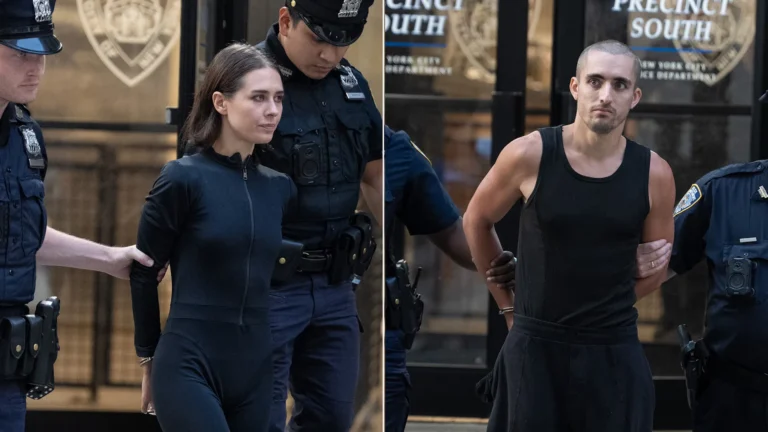





Summary: Claims from a 15-year-old boy were set to go to trial next week in Los Angeles, but the case has now been dropped. The last-minute dismissal highlights recurring questions about how prosecutors and courts handle juvenile allegations, when cases are moved forward, and what dropping a case means for the young person, alleged victims and the community.
What happened
According to available reports, charges tied to allegations involving a 15-year-old in Los Angeles — which had been scheduled for trial next week — were dismissed before the court date. The decision to drop such cases can arise for a number of reasons, including insufficient evidence to meet the burden of proof, new exculpatory information, diversion and rehabilitation options being offered, or prosecutorial discretion exercised in keeping with local charging policies.
Why dismissals occur: common legal and policy reasons
- Insufficient or unreliable evidence discovered during pretrial review or new investigative leads that undercut the prosecution’s case.
- Diversion or alternative programs for juveniles that prioritize rehabilitation over formal prosecution; many jurisdictions use diversion to avoid the collateral harms of court processing for youth.
- Prosecutorial charging policies and reforms that limit filing or that prioritize certain cases for trial while directing lower-level allegations away from court.
- Concerns about youth competency, witness availability or the viability of testimony at trial.
Context — trends in juvenile prosecution and diversion
Across the United States, juvenile arrests and formal processing have declined over the last two decades, and many jurisdictions have expanded diversion and alternative accountability programs for youth. National statistics and analyses show a long-term drop in juvenile arrests, and policy debates continue about balancing community safety with minimizing lifelong harms to young people who enter the criminal legal system.
For an overview of federal data on juvenile arrests and trends, see the Office of Juvenile Justice and Delinquency Prevention (OJJDP): https://ojjdp.ojp.gov/.
Local considerations in Los Angeles
In Los Angeles County, prosecutorial decision-making and juvenile-court practices are shaped by local policies, court rules and available community-based alternatives. Prosecutors may decline to file, dismiss pending charges, or divert cases to services depending on the facts of the case and public-safety considerations. For information on the county office responsible for charging decisions and general juvenile policy statements, see the Los Angeles County District Attorney’s Office: https://da.lacounty.gov/.
Impact on the young person and the alleged victims
When a case is dropped, the immediate legal consequence for the young person is the avoidance of a trial and potentially a conviction. However, dismissal does not always erase community concerns or the anxiety experienced by alleged victims. Civil remedies, appeal or re-filing (in some circumstances) can remain possible depending on jurisdictional rules and whether new evidence emerges.
California has protections that address confidentiality and sealing of juvenile records; resources on juvenile rights and court procedures can be found through California’s judicial information pages: https://www.courts.ca.gov/selfhelp-juveniles.htm.
What to watch next
- Whether prosecutors release a public statement explaining the dismissal — statements sometimes clarify whether the decision was evidentiary, procedural, or tied to diversion.
- Whether any supplemental investigations or civil filings follow the dismissal.
- Local policy discussions about juvenile charging and diversion programs — these discussions can influence how similar situations are handled in the future.
Broader policy and community implications
Dismissals like this one often renew debate among advocates, lawmakers and community members about how best to handle juvenile allegations. Supporters of diversion emphasize the importance of rehabilitation and avoiding the long-term harms of juvenile convictions. Others stress accountability and the needs of victims. Research organizations and advocacy groups document both the harms of over-incarceration and the need for public safety; the Equal Justice Initiative and other groups provide analysis and recommendations on juvenile justice reform: https://eji.org/juvenile-justice/.
Sources and further reading
- Office of Juvenile Justice and Delinquency Prevention (OJJDP) — juvenile arrest statistics and federal research resources: https://ojjdp.ojp.gov/
- Los Angeles County District Attorney’s Office — official site for prosecutorial policies and statements: https://da.lacounty.gov/
- California Courts — self-help pages on juvenile procedures, confidentiality and sealing: https://www.courts.ca.gov/selfhelp-juveniles.htm
- Equal Justice Initiative — resources on juvenile justice reform and policy: https://eji.org/juvenile-justice/
- ACLU — work on juvenile justice reform and related advocacy pages: https://www.aclu.org/issues/juvenile-justice
Bottom line: The dismissal of charges against a 15-year-old scheduled for trial in Los Angeles underscores the complexities of juvenile cases — from evidentiary issues and prosecutorial discretion to broader debates over diversion and the long-term effects of formal court processing. Observers should watch for any official statements explaining the dismissal and for larger local policy shifts that could change how similar matters are handled.