




Updated Pentagon Estimate and What It Covers
The Department of Defense now estimates the U.S. campaign in and around Iran has cost approximately $37.5 billion through the current fiscal year. According to testimony delivered to senators, that figure includes direct war spending plus projected operations, maintenance, and military personnel costs through Sept. 30. The updated total is roughly $12 billion higher than the Pentagon’s earlier estimate of $25 billion given in late April.
How the Estimate Was Framed in the Hearing
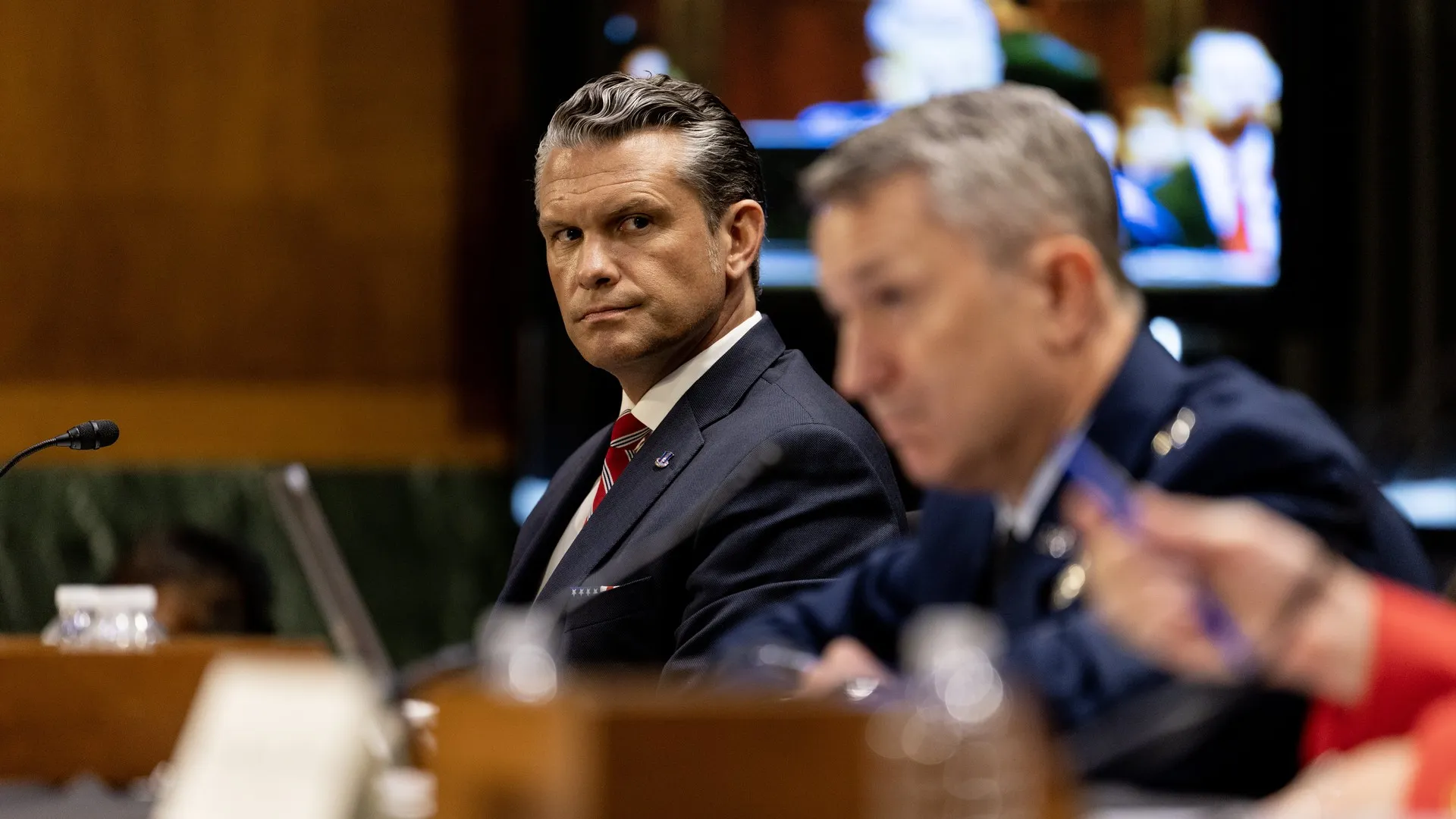
During Senate questioning, Defense Secretary Pete Hegseth described the $37.5 billion as the Pentagon’s current total and said some anticipated expenses were already factored into that figure. Senate leaders pressed him repeatedly on whether renewed strikes and an ongoing exchange of fire between U.S. forces and Iranian-backed elements would push the price higher.
“And is the current activity — which we’ve been told about the exchange of fire back and forth in Iran — an indication that that number is going to go up in the months ahead?”
The hearing included tense exchanges between Hegseth and several senators over responsibility for the conflict and clarity about plans going forward.
Supplemental Funding Request: What It Seeks to Pay For
The administration has requested roughly $70 billion in supplemental military funding. Of that, about $46 billion is described as aimed at expanding production of high-demand munitions and capabilities, including precision-guided weapons, hypersonic systems, counter-drone technologies and other items intended both to sustain operations and to replenish stocks consumed in recent months of fighting.
Political and Oversight Stakes for Congress
Lawmakers face several intertwined choices: whether to approve large-scale supplemental funding now, to impose limitations or reporting requirements on how funds are used, or to attach strategic benchmarks before releasing money. Senators on both sides expressed frustration—some arguing for clearer operational plans and timelines, others questioning the administration’s past decisions and attribution of responsibility.
Key oversight questions for Congress include:
- How much of the supplemental is for immediate operational sustainment versus long-term procurement?
- What benchmarks or conditions should accompany funding to limit open-ended engagement?
- How will the Pentagon measure and report munitions burn rates, production acceleration, and stockpile replenishment?
Strategic and Fiscal Implications
Even before accounting for additional escalation, a $37.5 billion bill for the fiscal year is significant. If hostilities continue or expand, the short-term cost to the budget could grow rapidly, particularly given the administration’s ask to scale up production of advanced and costly munitions. Accelerating defense industrial base output — for precision-guided munitions, hypersonics and counter-drone systems — will have both immediate price tags and longer-term effects on procurement priorities and defense budgeting.
Policymakers must weigh the operational imperative to supply forces and allies against broader fiscal pressures and public appetite for extended military commitments. The hearing showcased the political risks: sharp partisan exchanges, public protest disruptions, and executive- legislative tension over strategy and accountability.
What to Watch Next
- How congressional appropriations leaders respond to the $70 billion supplemental request: full approval, scaled back amounts, or conditional funding with reporting and benchmarks.
- Pentagon transparency on cost drivers—detailed line items showing how the $37.5 billion was calculated and what additional scenarios would add to that total.
- Defense supply-chain announcements that demonstrate real acceleration of munitions production or long-lead procurement.
- Diplomatic developments that could ease operational demand and therefore reduce near-term funding pressure.
Bottom Line
The updated estimate and the large supplemental request together frame this moment as one of both fiscal consequence and political contest. Congress must decide whether to fund an expanded production and sustainment effort now and, if so, under what terms. The decisions taken in the coming weeks will shape U.S. military posture, defense industrial priorities, and fiscal exposure for the remainder of the fiscal year and beyond.
Sources and Further Reading
- Primary material supplied in the reporting excerpt provided for this briefing.
- U.S. Department of Defense — official site for press releases and budget materials: https://www.defense.gov/
- Congressional resources on supplemental appropriations and legislative procedure: https://www.congress.gov/
Note: This article synthesizes the reporting excerpt provided and frames core oversight and policy questions. For direct quotes, figures and specific hearing exchanges, readers should consult the full hearing transcript and official DoD releases.