




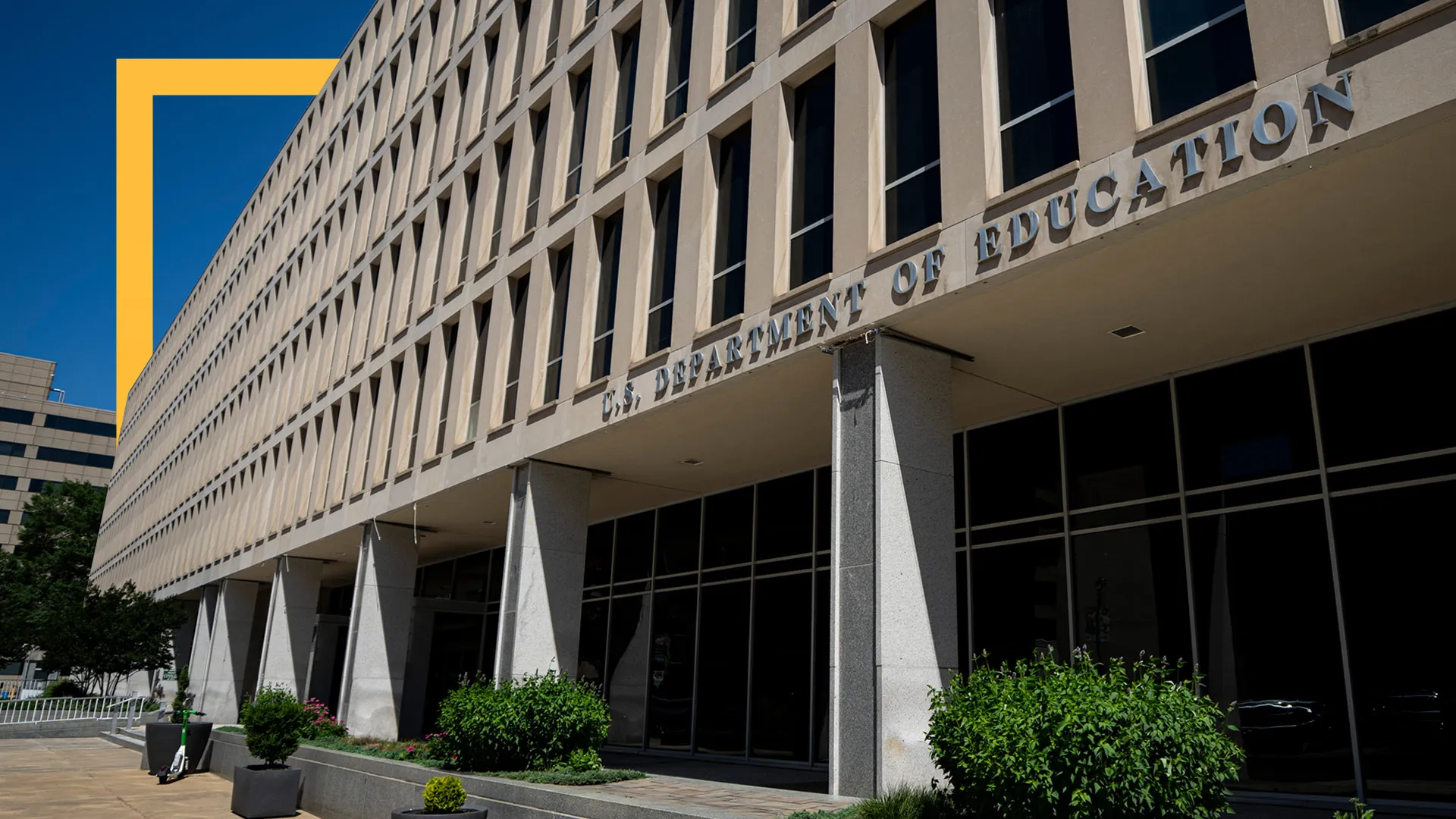
The U.S. Department of Education’s Office for Civil Rights (OCR) has renewed attention on educator sexual misconduct, issuing guidance that reminds federally funded schools of their obligations under Title IX and the Elementary and Secondary Education Act (ESEA). The move stresses accountability — including the risk of losing federal funds — and presses districts to stop so-called “pass‑the‑trash” practices, improve data collection, and conduct meaningful investigations. But advocates and researchers say it remains to be seen whether the guidance will produce lasting change or simply repeat a familiar cycle of announcements without sustained enforcement.
What the guidance says
OCR’s recent outreach reiterates a long-standing principle: schools that receive federal funds must respond to sexual harassment and sexual assault allegations involving school employees. The guidance emphasizes: investigate internally and thoroughly; report and preserve accurate records; and avoid quietly reassigning or allowing accused staff to resign without notice to future employers — practices advocates have labeled “pass‑the‑trash.” OCR also signaled stepped‑up scrutiny by opening investigations into districts whose Civil Rights Data Collection (CRDC) submissions raise concerns about how they handle employee sexual misconduct.
Why advocates say the move matters — and why they worry
Advocates and experts welcome stronger language that explicitly links noncompliance to possible penalties, including the loss of federal funding. Groups such as Stop Sexual Assault in Schools (StopSAS) and academics researching school sexual misconduct have long pushed for systematic reporting, better background checks, and clearer protocols so allegations lead to meaningful outcomes rather than quiet personnel moves.
Yet critics warn that guidance alone is not a cure. OCR has tools — ranging from targeted compliance agreements to full investigations that can result in corrective actions — but revoking federal funding is rare. Several observers characterize public pronouncements as performative when not backed by sustained investigative resources, timely enforcement, and post‑compliance monitoring.
Past policy shifts still shape outcomes
Title IX enforcement has been influenced by regulatory changes and enforcement priorities over the past two decades. OCR guidance in the early 2000s made clear that sexual harassment and assault fall under Title IX obligations, and later regulatory changes — including those championed during the 2010s and the 2020 Title IX rulemaking — altered how schools must investigate and adjudicate accusations. Advocates say that narrowing definitions of actionable harassment and tightening procedural thresholds in those rule changes can make enforcement harder, particularly if OCR’s investigatory resources are constrained.
Limits of scope: public funding, employees only, and reporting gaps
The current initiative applies to institutions that receive federal Title IX funding, meaning private schools not using federal funds aren’t covered by these particular enforcement mechanisms. The guidance also focuses primarily on educator‑on‑student misconduct; peer‑to‑peer sexual abuse among students, another serious and sometimes underreported problem, is not the main subject of this push.
Data gaps compound the problem. Accurate, honest CRDC reporting is a necessary first step to identify districts with systemic failures, but inconsistent reporting standards and undercounting can obscure the scale of misconduct. OCR’s opening of multiple inquiries based on CRDC submissions highlights how data can trigger oversight, but many experts say oversight must be paired with concrete, timely corrective actions.
What schools and districts should do now
- Review and, if necessary, strengthen policies for reporting and investigating allegations of employee sexual misconduct, ensuring they align with federal guidance.
- End practices that allow accused staff to quietly resign or transfer without notifying prospective employers and law enforcement when appropriate.
- Improve training for staff on mandatory reporting and for administrators on conducting trauma‑informed investigations.
- Audit personnel and background‑check processes and ensure complete records are maintained so districts can demonstrate compliance if OCR opens a review.
- Collect and submit accurate CRDC data and respond proactively to OCR inquiries to seek Early Complaint Resolution where appropriate.
Looking ahead
Stronger guidance and higher visibility are welcome to advocates who have spent years pushing for systemic protections for students. Still, changes in enforcement practice, funding for OCR investigations, and the regulatory landscape will determine whether this initiative produces measurable reductions in educator sexual misconduct or becomes another chapter in an ongoing cycle of policy announcements and limited accountability.
Selected sources and further reading
- U.S. Department of Education — Office for Civil Rights (OCR)
- Civil Rights Data Collection (CRDC) — U.S. Department of Education
- Stop Sexual Assault in Schools (StopSAS)
- Summary of Title IX regulations and related materials — U.S. Department of Education
- John Jay College of Criminal Justice — faculty resources and research on sexual victimization
- Virginia Commonwealth University — researcher profiles (for work on school sexual misconduct)
Note: This article synthesizes reporting and expert commentary about OCR’s renewed emphasis on educator sexual misconduct, together with background on Title IX enforcement trends and common advocacy recommendations.