




Overview
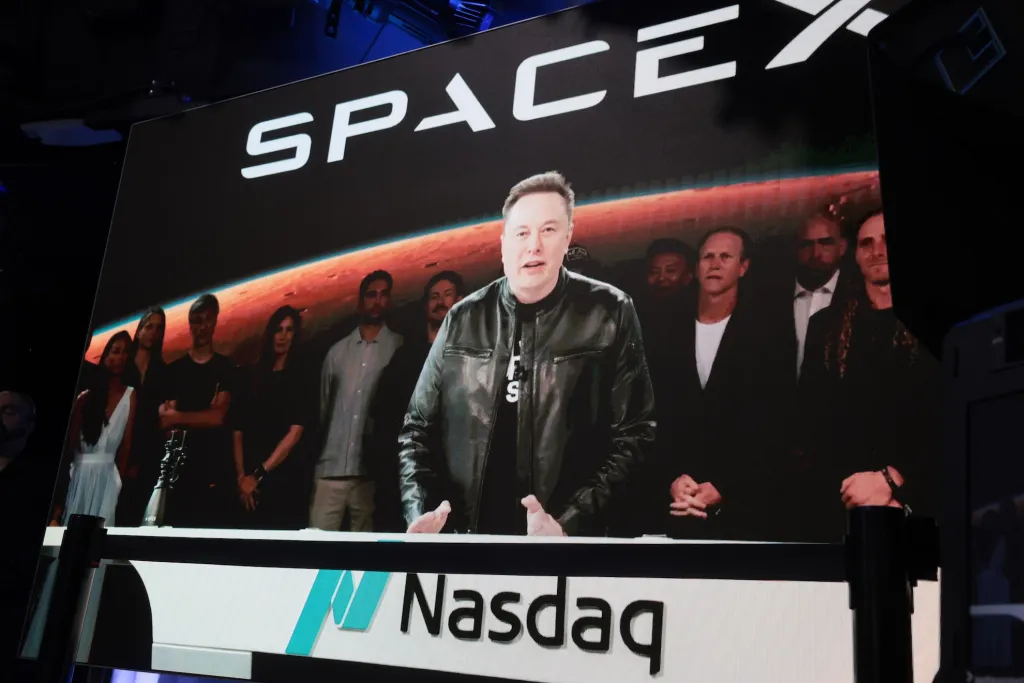
SpaceX reportedly struck a deal intended to shore up its struggling AI division — a move that comes after the company told IPO investors it views AI as a massive addressable market (the figure cited was $26 trillion). Whether that number is realistic, and what the deal means for SpaceX’s capital allocation and IPO story, deserve scrutiny. Below is a concise, human-readable summary and analysis of the business implications for investors, competitors and the broader AI market.
What was reported
The short version: a deal was announced to support SpaceX’s internal AI efforts amid reports that its AI unit has underperformed expectations. At the same time, SpaceX told prospective IPO investors it believes AI represents an exceptionally large addressable market — a figure reported as roughly $26 trillion. Both the deal and the market sizing claim are shaping investor expectations ahead of any public offering.
Why the $26 trillion claim matters (and why to treat it cautiously)
- Big headline, big expectations. A $26 trillion market-size figure becomes a headline magnet and can move valuation narratives. It signals that the company views AI not as a modest product line but as a central future growth engine.
- Market-sizing estimates vary widely. Different consultancies and academic teams produce widely divergent AI GDP or revenue impact estimates depending on timeframe and what they count (direct AI product revenue, productivity gains across industries, or full macroeconomic impact). For example, PwC and McKinsey have published AI economic-impact studies that show very large but materially different estimates depending on assumptions. See PwC’s “Sizing the prize” and McKinsey’s AI research for background on how model assumptions change outcomes (links below).
- Scrutinize scope and assumptions. A headline $26T figure may combine long-term macroeconomic effects, multiple years of adoption across industries and indirect productivity gains. Investors should ask: over what time span? Which industries and revenue streams are counted? How much of that market is realistically addressable by SpaceX given its capabilities and competition?
What the deal could accomplish
- Stabilize a struggling unit. If the AI division has missed targets or hemorrhaged cash, an infusion tied to a partnership or strategic contract can buy time to pivot or to consolidate engineering efforts.
- Bring in capabilities or customers. Deals can deliver talent, data access, specialized IP, or anchor customers — all of which are especially important in AI, where models are data- and compute-hungry.
- Signal to the market. A visible transaction can signal the company’s seriousness about AI, potentially supporting a higher IPO valuation — but it can backfire if the market sees it as a stopgap.
Risks and red flags investors should watch
- Hype vs. execution. Many firms have bold AI roadmaps. The key metric is execution: model quality, defensibility of data, cost-to-train and deploy, and demonstrated customer monetization.
- Capital allocation trade-offs. SpaceX’s capital has traditionally gone to launch vehicles and Starlink. Redirecting cash or management attention to AI could slow core aerospace projects or Starlink expansion — or conversely, fail to deliver if AI returns lag.
- Competition for talent and compute costs. AI requires top-tier machine-learning talent and massive compute budgets. Competing with dominant cloud and AI platform providers is expensive.
- Regulatory and geopolitical risk. AI regulation, export controls, and data-privacy rules can affect timelines and addressable markets, particularly for companies that operate globally.
How this fits into the wider AI market
Whether $26 trillion is credible depends on timeframe and the mix of direct and indirect effects included. For context, major consulting and research groups have offered very large but variable estimates of AI’s potential economic impact. These reports show that method and horizon matter — the headline number alone does not tell the whole story.
What investors and analysts should do next
- Demand clarity on the $26T figure: get the underlying assumptions, timeframe, and addressable segments.
- Evaluate the deal terms: is funding conditional, equity, strategic partnership, technology transfer, or a one-time purchase?
- Check unit economics: how does SpaceX plan to monetize AI capabilities? Ads, enterprise contracts, platform fees, or integration into Starlink/space products?
- Monitor execution milestones: product roadmaps, hiring, pilot customers and metrics tied to the deal.
- Keep an eye on capital allocation: determine how this affects spending for SpaceX’s traditional businesses.
Bottom line
The combination of a rescue-style deal for an underperforming AI unit plus a headline-grabbing $26 trillion market claim is a classic mix of signal and noise. The signal: SpaceX sees AI as central to its future and is moving to shore up that part of the business. The noise: an unqualified, jumbo market-sized number can mislead if not explained. Investors should dig into assumptions, deal economics and execution milestones before pricing the optimism into valuation.
Selected background sources and further reading
- PwC — Sizing the prize: What’s the real value of AI for your business and how can you capitalise? (economic impact framing useful for context)
- McKinsey & Company — Artificial intelligence insights (research on economic impacts and adoption pathways)
- SpaceX — official site (company background and corporate materials)
- U.S. Securities and Exchange Commission (SEC) (for any eventual IPO filings and prospectuses)
Note: This article summarizes business implications and analysis based on available reports and standard industry frameworks. For transactional details and exact wording of any deal or investor presentation, consult the primary documents or filings tied to the transaction or IPO prospectus.