

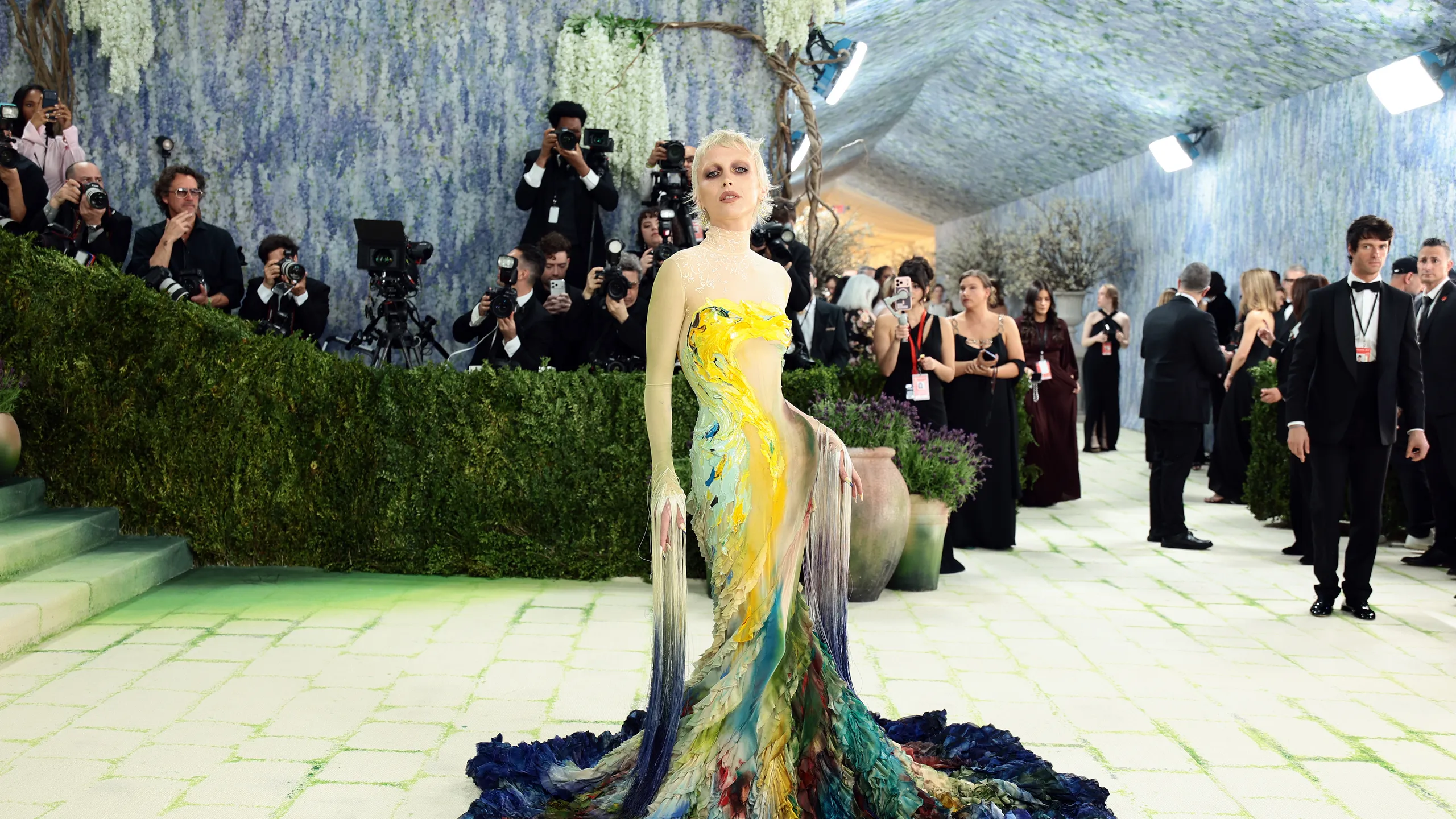
This year’s event is already shaping up as one of the most talked-about nights on the calendar, with the 2026 theme, Costume Art, and the dress code, Fashion Is Art, setting the stage for another flood of red-carpet analysis, designer statements, and celebrity-driven conversation.
Why the Met Gala Matters Beyond Fashion
The Met Gala is often described as fashion’s biggest night, but it has become much more than a museum fundraiser. It now functions as a global pop culture event, one that blends celebrity branding, luxury fashion, social media virality, and institutional art-world prestige. According to Vogue, the 2026 gala will again be livestreamed across major digital platforms, reflecting how the event has evolved from an elite New York gathering into a worldwide entertainment spectacle.
This year’s exhibition, Costume Art, will inaugurate the Costume Institute’s new permanent galleries at the Metropolitan Museum of Art, a major institutional milestone noted by Vogue. Andrew Bolton, the Costume Institute’s curator in charge, has framed the exhibit as an effort to reconnect fashion with the body and with art history more broadly. That framing matters because it signals the Met Gala is continuing its push to position fashion not merely as commerce or celebrity styling, but as an art form worthy of museum-scale interpretation.
The Latest Story: The 2026 Met Gala Theme Is Already Driving Conversation
As first detailed by Entertainment Weekly, the 2026 Met Gala theme is Costume Art, while the dress code is Fashion Is Art. The gala will be co-chaired by Anna Wintour, Beyoncé, Nicole Kidman, and Venus Williams, a lineup that alone guarantees broad media attention across entertainment, fashion, sports, and celebrity press.
The open-ended nature of the dress code is what is generating the most intrigue. Bolton recently told GQ that he hopes attendees avoid overly literal interpretations of artworks and instead embrace experimentation. That comment has helped shape early expectations: rather than costume-party replicas of famous paintings, the industry appears to be bracing for conceptual, body-focused, and potentially provocative looks from major designers and celebrities.
That distinction is important in understanding why the Met Gala dominates headlines year after year. It is not just about what celebrities wear; it is about how those looks are decoded, memed, criticized, praised, and folded into larger conversations about beauty standards, art, gender presentation, branding, and cultural influence.
Pop Culture’s Bigger Trend: Live Events Still Rule the Attention Economy
The excitement surrounding the Met Gala also reflects a broader entertainment-industry trend: in an era of fragmented streaming audiences and endless content overload, live events still command outsized attention. Award shows, red carpets, sports crossovers, and major concert moments remain among the few cultural products that can reliably drive real-time mass engagement.
That pattern has been evident across the broader entertainment landscape. Disney recently emphasized the continuing value of franchise-driven cultural moments in its company updates and earnings coverage, while media companies from legacy publishers to streaming platforms continue investing in tentpole events that can spark social conversation and advertiser interest. For context on media and entertainment strategy, recent reporting from The New York Times media section and The Hollywood Reporter has consistently shown that spectacle still matters in the digital age.
The Met Gala fits perfectly into that environment. It is visual, exclusive, celebrity-heavy, and designed for instant online reaction. TikTok explainers, Instagram fashion breakdowns, YouTube livestreams, and next-morning “best dressed” slideshows are no longer side effects of the event. They are part of the event itself.
Why ‘Fashion Is Art’ Could Make 2026 More Interesting Than Usual
What makes this year especially compelling is the flexibility of the prompt. Some recent Met Gala themes gave attendees a relatively narrow lane. Fashion Is Art, by contrast, invites personal interpretation. That means stars and designers can go sculptural, historical, abstract, minimalist, political, or deeply autobiographical.
There is also an underlying tension here. The Met Gala often talks in the language of art and scholarship, but it operates in a world driven by image, celebrity capital, and brand alignment. That tension is not a flaw; it is part of the appeal. The gala is one of the few places where museum curation, luxury marketing, fandom, and internet culture all collide in public.
If Bolton gets his wish, the night may produce looks that feel less like costume imitation and more like wearable interpretation. That would mark a subtle but meaningful shift, pushing the conversation from “Who understood the assignment?” to “Who actually created something memorable?”
The Bottom Line
The original RSS post clearly belongs in Pop Culture because it centers on celebrities, fashion, entertainment media, and one of the year’s biggest culture-driving events. But the larger news story is that the 2026 Met Gala is once again demonstrating how celebrity fashion has become a serious engine of modern cultural discourse.
With a theme built around the dressed body, an intentionally expansive dress code, and a high-wattage group of co-chairs, the event is poised to generate not just red-carpet photos, but wider discussion about fashion’s place in art, identity, and mass media. In a crowded entertainment landscape, that kind of attention is increasingly rare — and exactly why the Met Gala continues to matter.
Sources: