


Spirit Airlines’ abrupt shutdown is, at its core, a business story — one that also intersects with government policy, consumer travel and energy costs. The collapse of a major ultra-low-cost carrier after 34 years in business has triggered questions about whether Spirit was undone by a sudden fuel-price shock, a broken budget-airline model, or earlier regulatory decisions that blocked industry consolidation.
Latest business context: airlines, fuel and consumer pressure
Spirit’s closure lands at a moment when airlines globally are still balancing uneven travel demand, higher operating costs and investor pressure to protect margins. Fuel remains one of the industry’s most volatile expenses, and carriers with thinner balance sheets are often the most exposed when oil rises sharply. Reuters has reported repeatedly in recent coverage that airline profitability can swing quickly when fuel and financing costs climb, especially for lower-fare operators with less room to pass costs on to customers. Reuters
That broader dynamic helps explain why Spirit’s shutdown is resonating beyond one airline. Ultra-low-cost carriers are built around price-sensitive travelers, dense seating configurations and ancillary fees. That model can work in stable periods, but it becomes more fragile when costs jump or when consumers pull back on discretionary travel. Industry reporting from CNBC Transportation and The Wall Street Journal’s airline coverage has highlighted how even established airlines have been recalibrating routes, fare strategies and capacity amid shifting demand and cost pressures.
What happened to Spirit
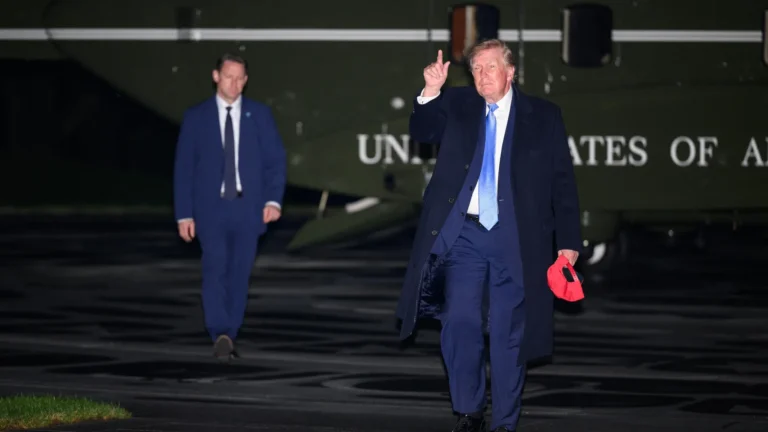
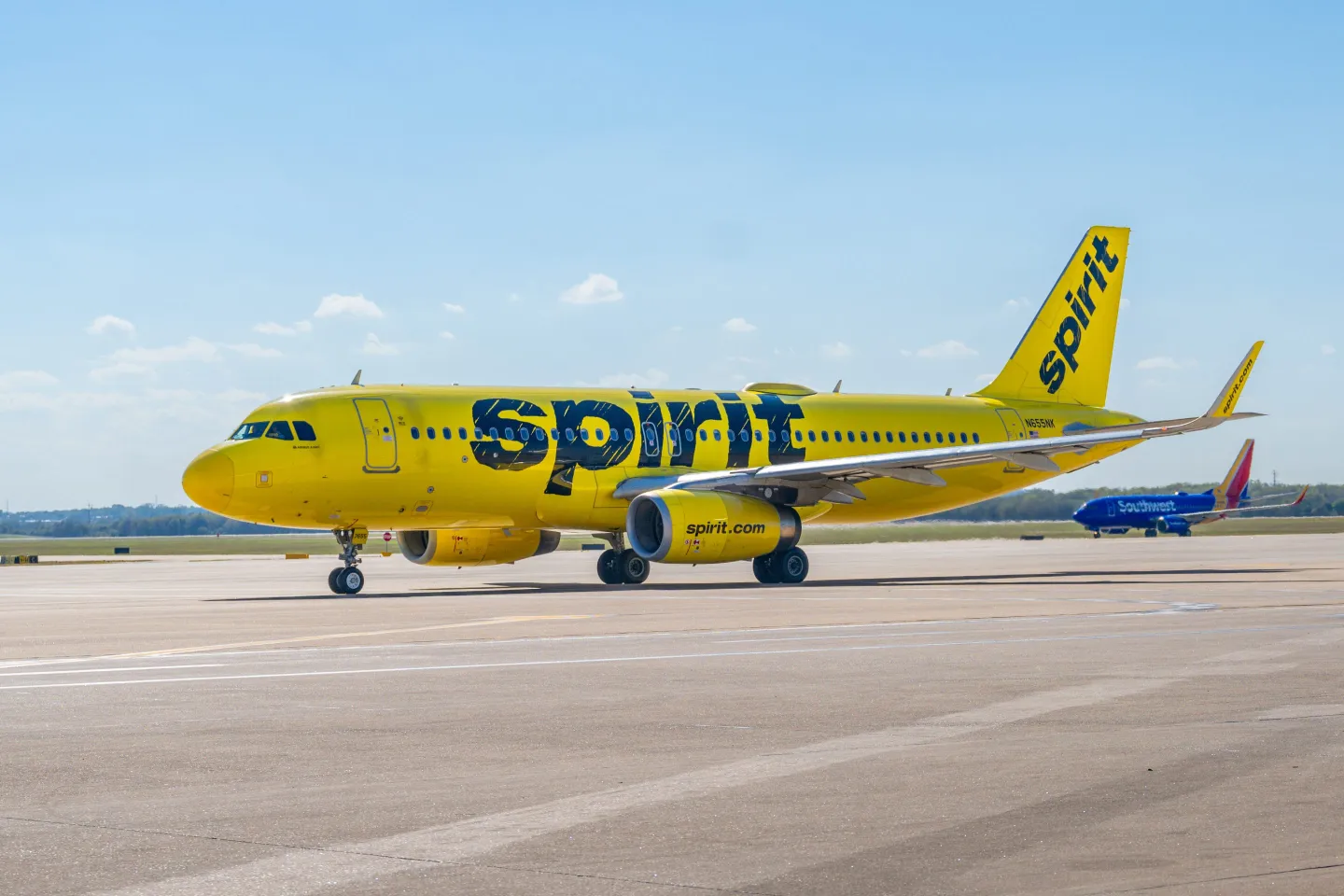
According to the feed report, Spirit ended operations immediately, canceling flights and leaving roughly 17,000 employees out of work. The airline said the recent rise in oil prices tied to the Iran war made it impossible to continue operating, while Transportation Secretary Sean Duffy argued the company’s problems predated the latest geopolitical shock and pointed to the failed JetBlue-Spirit merger as a turning point.
That split in explanation matters. If Spirit was primarily sunk by a sudden external shock, the story is about crisis management. If it was already structurally unsound, then the shutdown reflects deeper weaknesses in the budget-airline business model — including heavy debt burdens, fare competition and limited strategic flexibility.
The merger question is back
The Spirit shutdown is also likely to revive debate over airline consolidation. The Biden administration successfully challenged JetBlue’s proposed acquisition of Spirit, arguing the deal would reduce competition and hurt consumers who depend on low fares. The U.S. Department of Justice previously outlined that case in arguing Spirit played an important role in keeping prices down. U.S. Department of Justice
Supporters of the blocked merger now argue that preserving competition on paper did not save Spirit in practice. Critics of that view counter that fewer airlines would still likely mean higher fares over time. That tension — protecting competition versus allowing consolidation for survival — is not unique to airlines, but the Spirit case makes it unusually visible and immediate.
What travelers and the market should watch next
In the near term, the most practical concern is consumer fallout. Passengers are seeking refunds, alternative flights and clarity on whether vouchers or loyalty-point bookings will be honored. Competing carriers appear to be offering limited fare caps to absorb stranded customers, but those measures are temporary.
Longer term, the bigger business question is what Spirit’s disappearance does to airfare pricing in the U.S. market. Even travelers who avoided Spirit often benefited indirectly from its presence, because ultra-low-cost carriers can pressure larger airlines to keep fares more competitive on overlapping routes. Analysts will be watching whether rivals move quickly to fill abandoned routes or instead use reduced competition to improve pricing power.
The bottom line
Spirit Airlines’ shutdown is more than a corporate failure. It is a test case for how fragile low-cost travel models can become when fuel spikes, financing tightens and regulators resist consolidation. The politics around the collapse may dominate headlines, but the lasting story is economic: how much slack remains in the airline business when even a nationally known discount carrier can disappear almost overnight.
Sources and further reading: