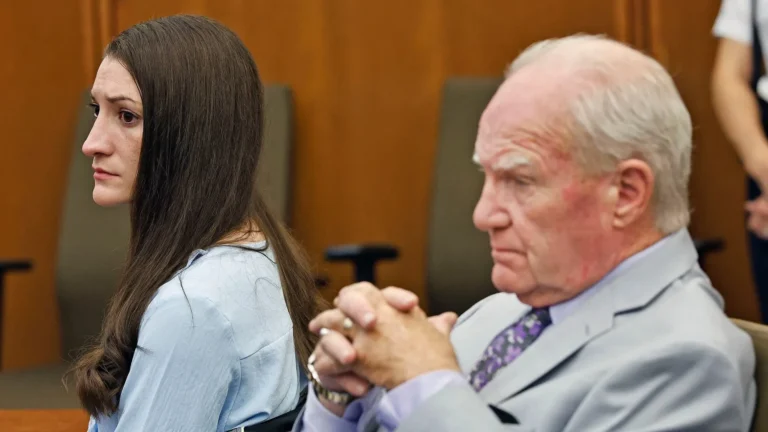




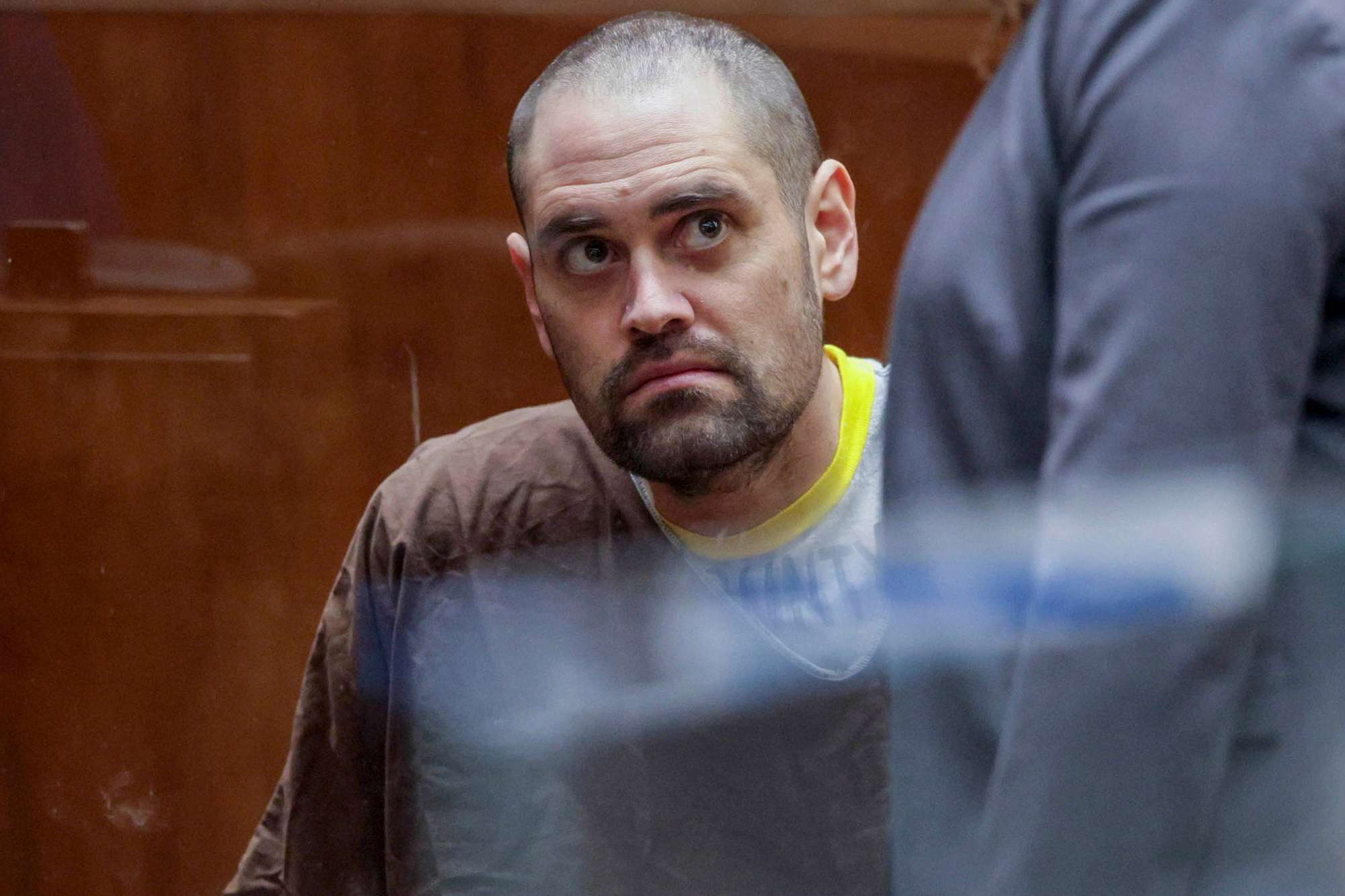
Nick Reiner’s criminal case is moving into its next phase, with a Los Angeles court setting a preliminary hearing for Sept. 15 while key autopsy reports tied to the deaths of his parents, filmmaker Rob Reiner and Michele Singer Reiner, are still not complete.
According to Entertainment Weekly, Reiner appeared in court on April 29 and agreed to a general time waiver, allowing the case to proceed on a slower schedule. Prosecutors said they are still turning over a large volume of evidence to the defense and noted that the autopsy reports had not yet been finalized. The Los Angeles Times similarly reported that prosecutors have nearly two terabytes of discovery still in process.
A celebrity case with broader public attention
On its surface, this is a criminal court update. But because the case involves the family of a major Hollywood figure, it has drawn sustained attention from entertainment outlets and celebrity news readers. That places it squarely in the pop-culture conversation, even as the legal process itself unfolds in a courtroom rather than on a red carpet.
People reported that Reiner appeared restrained in court and spoke only briefly during the hearing. Coverage across outlets has focused not only on the procedural developments but also on the public profile of the Reiner family, illustrating how celebrity-adjacent legal cases often become a fixture of entertainment media.
What happens next in the case
Reiner previously pleaded not guilty to two counts of first-degree murder in connection with the December killings. If convicted, he could face life in prison without parole, though prosecutors have not publicly decided whether to pursue the death penalty, according to Entertainment Weekly.
The pending autopsy reports are an important detail. In homicide prosecutions, medical examiner findings can shape timelines, confirm causes of death with precision, and influence how both prosecutors and defense attorneys frame the case. Delays do not necessarily signal anything unusual on their own, but in a high-profile matter they tend to draw added scrutiny because every procedural step is magnified.
The larger pop-culture backdrop
The story also reflects a recurring pattern in celebrity coverage: legal proceedings involving public figures or their relatives often evolve into long-running entertainment stories. Audiences follow them not just for the courtroom updates, but because they touch larger themes around fame, family legacy, mental health, and the collision between private crisis and public visibility.
Recent entertainment news has repeatedly shown how legal developments can dominate pop-culture headlines alongside film, television, and music coverage. Trade publications and mainstream entertainment sites such as Entertainment Weekly, People, and Variety increasingly cover celebrity legal matters with the same urgency as casting announcements or awards-season stories. That shift says something about modern audience habits: pop culture is no longer limited to what stars create, but also includes how their personal lives, disputes, and crises unfold in public.
Why this story resonates
The Reiner case remains especially striking because it sits at the intersection of Hollywood legacy and serious criminal allegations. Rob Reiner has long been a recognizable name in American film and television, so any major development connected to his family is likely to generate widespread attention. As the case moves toward its September hearing, the focus will remain on the evidence still being assembled, the autopsy findings still pending, and how the legal process proceeds under intense public scrutiny.
For now, the latest development is procedural but significant: the case is advancing, the evidence file is still growing, and one of the entertainment world’s most closely watched legal stories is far from over.
Sources: Entertainment Weekly; Los Angeles Times; People; Variety.