


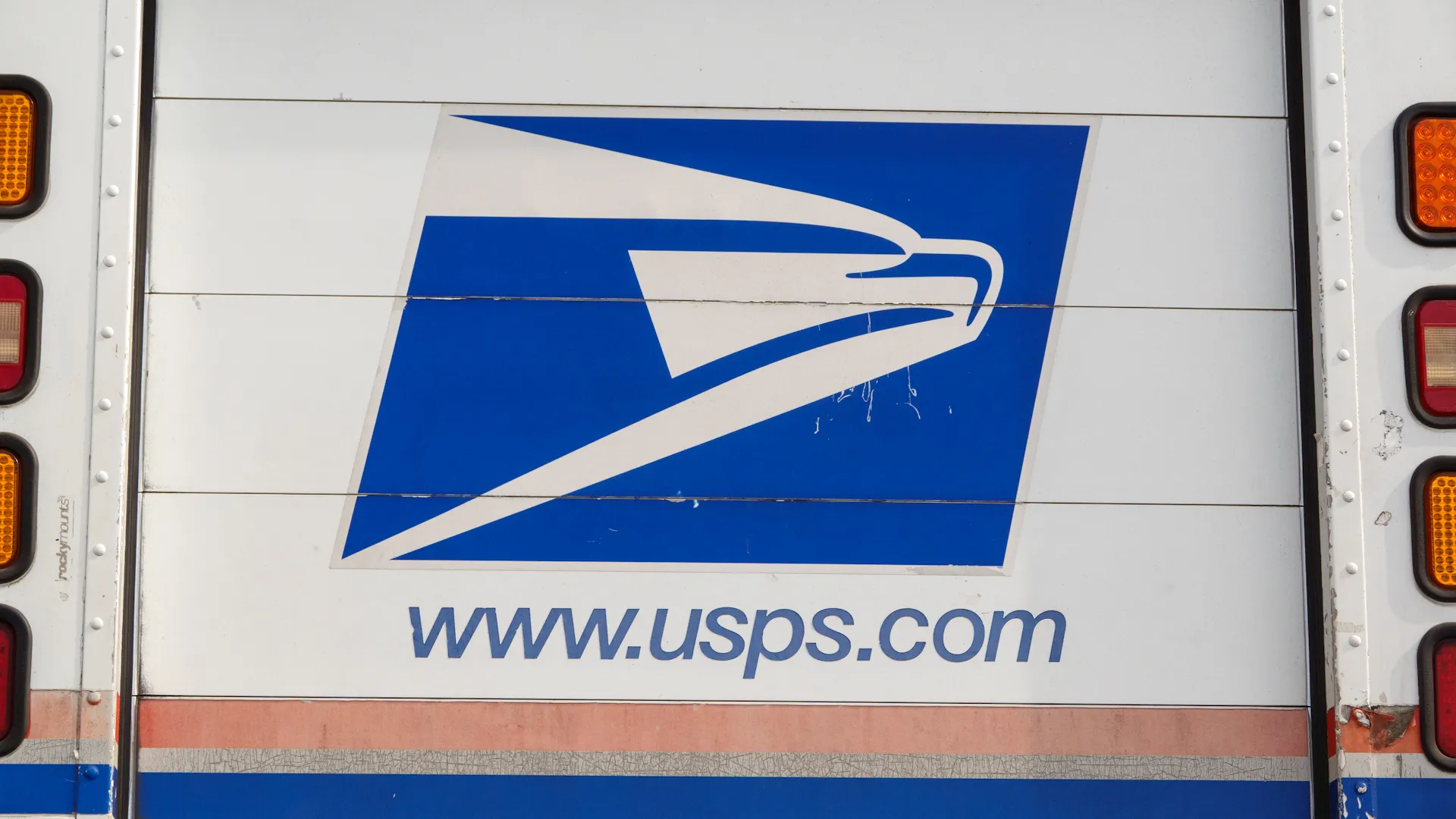
The U.S. Postal Service has entered a sharper phase of financial triage, announcing that it will temporarily suspend employer contributions to the defined-benefit portion of the Federal Employees Retirement System in an effort to conserve cash. According to the agency, the step is expected to free up roughly $2.5 billion during the current fiscal year, underscoring the seriousness of a liquidity crisis that postal leadership says could leave the organization short of cash within a year if larger structural changes are not made.
USPS moves to preserve liquidity
In its official announcement, USPS said the suspension begins April 10 and is part of a broader cash conservation strategy. The Postal Service said it will continue forwarding employee retirement contributions, as well as Thrift Savings Plan contributions, including employer automatic and matching contributions. It also said employer contributions to Social Security will continue, and officials stressed that the move is not expected to have an immediate effect on current or future retirees. Still, the decision is extraordinary because it highlights just how strained the Postal Service’s finances have become. USPS said in its statement that the measure is intended to preserve liquidity amid ongoing losses.
Additional reporting from CBS News noted warnings from Postmaster General David Steiner that the Postal Service could run out of cash within 12 months absent major changes. Those changes could include reducing delivery frequency from six days a week to five or fewer, an idea that would almost certainly trigger political and consumer backlash. The possibility alone signals that USPS leadership is now openly weighing changes that were once treated as politically untouchable.
Higher postage prices are part of the plan
USPS is also trying to raise revenue rather than rely only on cuts. The agency has asked regulators to increase the price of a First-Class Mail Forever stamp from 78 cents to 82 cents, according to The Associated Press. Separate reporting from CBS News said the Postal Service is also planning a temporary 8% surcharge on some postage products beginning April 26, citing transportation cost pressures tied to the war with Iran. Taken together, the price increases suggest USPS is attempting to buy time through a familiar formula: trim immediate obligations, raise rates, and hope revenue stabilizes before liquidity deteriorates further.
But the challenge for USPS is that raising prices has limits. Mail volume has been under pressure for years as consumers and businesses shift more of their communication and billing activity online. The package business offers growth potential, but that segment is highly competitive, with private carriers and e-commerce logistics platforms exerting intense pressure on margins and service expectations. In other words, USPS is trying to fix a 21st-century business model problem with a mix of emergency financial measures and incremental pricing changes.
A long-running business problem, not a one-week crisis
The latest move did not emerge in a vacuum. USPS has spent years trying to modernize its network while balancing a universal service mandate, labor costs, infrastructure needs, and declining legacy mail demand. In its current form, the institution is both a public service and a self-funded enterprise, a hybrid structure that often leaves it vulnerable when expenses rise faster than revenue. USPS reported a $9 billion net loss in fiscal 2025, a figure cited in coverage from both the Associated Press and CBS News, and that loss now appears to be forcing more dramatic action.
There is also a broader business lesson here. USPS is not just another delivery operator. It is one of the country’s most important logistics backbones, reaching every address in the United States and serving communities that private carriers may find less profitable. When an organization with that scale begins suspending pension-related payments to preserve short-term cash, investors, regulators, businesses, and consumers all have reason to pay attention. This is about more than stamps. It is about whether a critical national delivery network can remain financially viable while keeping service broad, affordable, and reliable.
What to watch next
The next phase will likely revolve around three pressure points: whether regulators approve the requested postage increases, whether Congress or federal overseers intervene if cash conditions worsen, and whether USPS leadership moves closer to reducing delivery frequency or cutting other service commitments. Each option carries tradeoffs. Higher prices may help revenue but could accelerate volume declines. Service reductions may save money but weaken the value proposition for households and businesses. External support could stabilize the system but reopen a familiar debate over how a quasi-public institution should be funded and governed.
For now, USPS is signaling that preserving cash has become the priority. The suspension of pension payments may be temporary, but the issues driving it are anything but. The Postal Service is trying to navigate an increasingly difficult business reality: costs are rising, mail habits are changing, and the old financial patchwork is no longer enough to cover the gap. Whether this becomes a successful turnaround moment or simply another chapter in a longer decline will depend on what happens next in Washington, with regulators, and inside the Postal Service itself.
Sources:
U.S. Postal Service official announcement
CBS News reporting
Associated Press reporting