



The right category for this RSS item is Sports, because the story centers on the Masters Tournament, the golf industry, athlete representation, and the business activity surrounding one of the sport’s biggest events.
Golf’s Biggest Week Is Also One of Its Biggest Business Stages
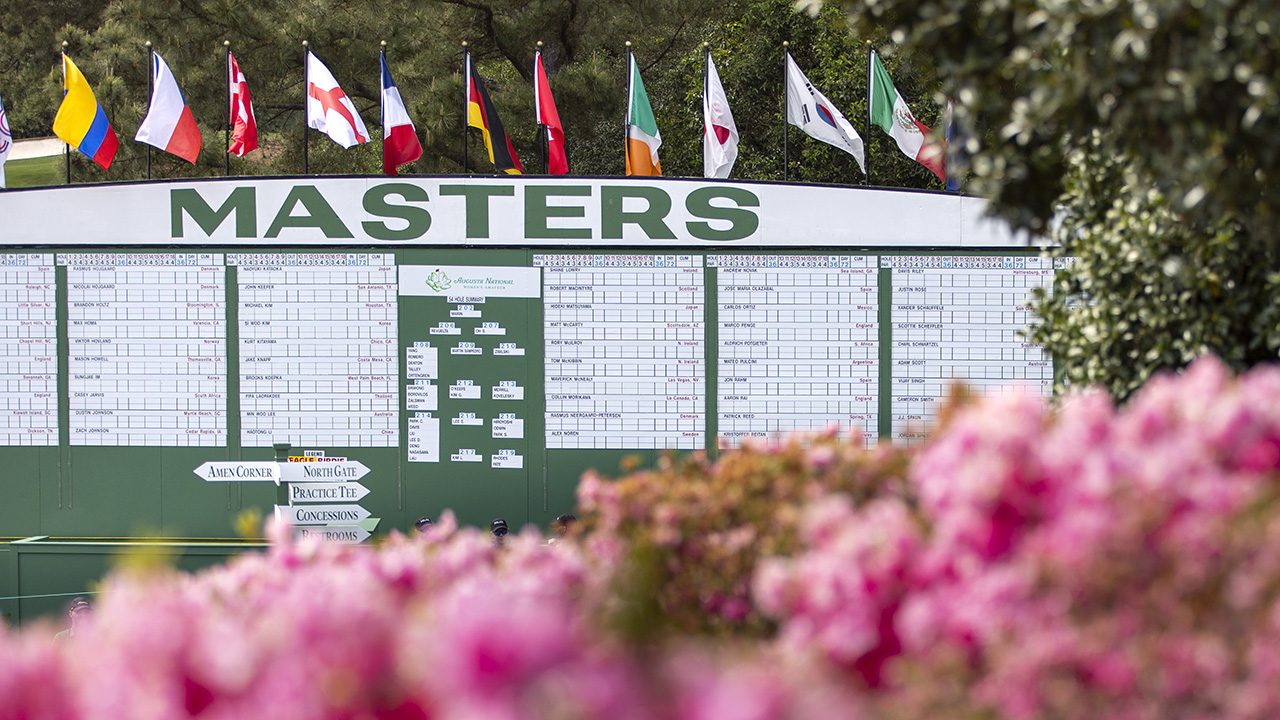
As the Masters gets underway at Augusta National, the tournament is once again proving that it is more than a marquee event on the golf calendar. It has also become one of the most important commercial gatherings in the sport, where agencies, sponsors, media executives, brands, and players all converge to shape what golf business will look like over the next year.
That broader point was underscored in the original Fox Business report, which detailed how WME Sports agents are helping brands, athletes, and golf-related companies use Masters week as a launchpad for partnerships, licensing deals, hospitality activations, and long-term marketing strategy. According to Fox Business, the Masters has effectively become a central networking hub for the entire golf ecosystem.
That trend fits into a larger industry story. Golf has been evolving from a traditional sponsorship-driven model into a broader lifestyle and media business. Major tournaments still matter most on the course, but off the course, the biggest growth is increasingly coming from brand extensions, fan experiences, creator-driven content, equipment sales, apparel, hospitality, and digital engagement.
Latest Sports Business Developments Around Golf
Recent reporting across the sports world suggests that golf’s commercial transformation is accelerating. The PGA Tour continues to emphasize premium events and sponsor value, while Augusta’s global profile keeps the Masters in a class of its own. At the same time, new media personalities, athlete-creators, and equipment brands are finding larger audiences on social platforms, YouTube, and retail partnerships that stretch well beyond the traditional golf fan.
The role of off-course business has also become more visible because of the broader disruption caused by the rivalry and negotiation landscape involving the PGA Tour and LIV Golf. Reporting from outlets including ESPN Golf and Reuters has repeatedly shown that the economics of professional golf are changing, from prize money and investment structures to sponsor expectations and media positioning. That has created more urgency for agencies and brands to think creatively about how they show up in the sport.
Masters week stands at the center of that shift. The tournament’s prestige brings together legacy brands, emerging startups, sports agencies, coaches, influencers, retailers, and corporate clients in one place. In practical terms, that means Augusta is no longer just where a major championship is contested. It is also where future partnerships are pitched, products are previewed, and long-range campaign strategies are discussed.
Why the Masters Matters Beyond the Scoreboard
One reason this matters is that golf behaves differently from many other sports. Fans do not just watch golf. They often play it, buy the equipment, follow instruction content, wear the apparel, travel for the experience, and remain engaged with the sport for decades. That makes golf unusually attractive to marketers looking for long-term consumers rather than casual event-based audiences.
That dynamic helps explain why companies increasingly treat the Masters as both a sporting event and a hospitality opportunity. Brand houses, private dinners, athlete appearances, and local activations have become part of the week’s unofficial infrastructure. The event’s cultural weight creates an environment where companies can connect their products to the aspirational side of golf in ways that traditional advertising often cannot.
In that sense, the latest reporting is not really just about one agency or one tournament. It reflects a deeper change in sports itself: the biggest events are no longer only competitions, but marketplaces of influence, media, and brand identity.
The Bigger Picture for Sports Media and Sponsorship
Across the broader sports industry, the same pattern is visible. Leagues and events are placing more value on experiential marketing, direct-to-consumer storytelling, creator partnerships, and year-round content ecosystems. Golf is especially well suited for this because its audience tends to be affluent, loyal, and highly engaged with products tied to the sport.
That is why Augusta remains so powerful. While the tournament stays famously traditional inside the ropes, the commercial activity around it has become more modern, more data-driven, and more creative. Agencies like WME Sports are leaning into that change by building partnerships that connect athletes, brands, and audiences in less conventional ways.
The result is that the Masters now serves two parallel roles. It is still one of the sport’s most cherished competitive traditions, but it is also one of the clearest examples of how modern sports business works: prestige drives attention, attention drives partnerships, and partnerships drive the next phase of growth.
Final Take
The latest story out of Augusta is not just that the Masters has arrived. It is that golf’s most iconic event has become a strategic business engine for the sport. The growing importance of brand activations, licensing, hospitality, and creator-led marketing shows how golf is adapting to a new era in sports media and commerce.
For fans, that may sit mostly in the background. But for the companies, agents, and athletes shaping the sport’s future, this week is about far more than who slips on the green jacket Sunday evening.
Sources:
Fox Business – How WME Sports agents are reshaping golf’s business landscape at Augusta National
PGA Tour official site
ESPN Golf
Reuters