


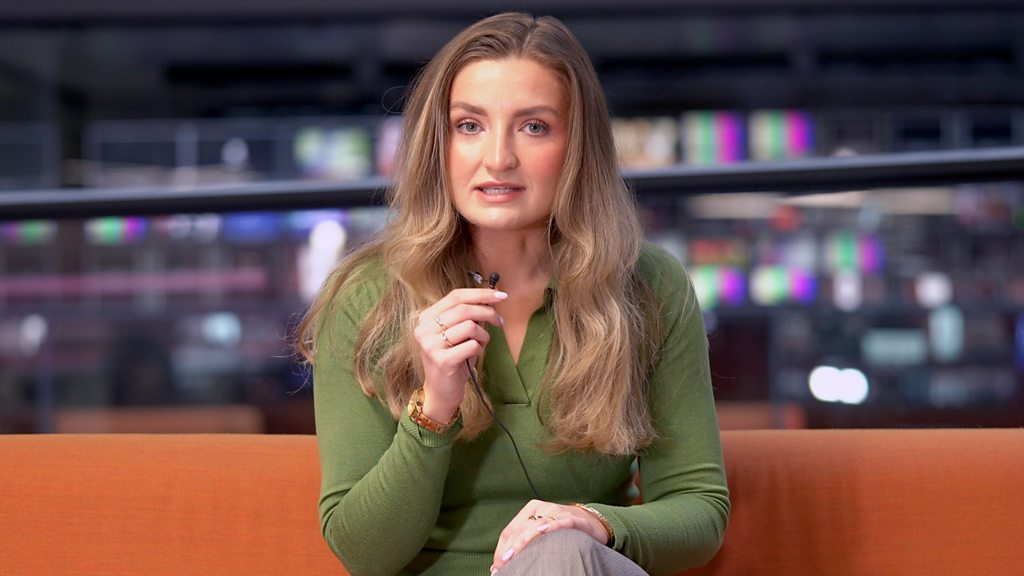
A BBC News video feature highlights a deeply personal question that is resonating with more families: why are some adults choosing to cut off contact with their parents, and what does that say about modern mental health, trauma, and family dynamics?
The original report centers on Ben Cole Edwards, 30, who built a career as a trauma coach after speaking publicly about being estranged from his mother. The story fits most clearly in the Health category because it focuses on emotional wellbeing, trauma, family relationships, and the psychological consequences of estrangement.
Why this story matters now
Family estrangement is increasingly discussed in public, especially on social media, where personal accounts of trauma, boundary-setting, and recovery often reach large audiences. Mental health professionals have noted growing openness around subjects that were once considered private or taboo, including childhood emotional neglect, abuse, intergenerational conflict, and the stress of maintaining harmful relationships.
At the same time, the topic remains controversial. Some experts argue that estrangement can be a necessary protective step for people facing abuse or ongoing psychological harm. Others warn that online culture can sometimes oversimplify painful family situations, encouraging permanent separation without fully exploring mediation, therapy, or long-term consequences.
What recent reporting shows
The BBC report explores how estrangement has become part of a wider conversation about trauma-informed care and personal boundaries. That discussion is unfolding alongside broader mental health reporting from major health institutions and news organizations.
For example, the World Health Organization continues to warn that mental health conditions are a major global health challenge, with social relationships and life stressors playing a significant role in wellbeing. Meanwhile, the U.S. National Institute of Mental Health emphasizes that mental health care can include setting boundaries, seeking support, and recognizing when relationships are harmful.
Recent coverage from mainstream outlets has also shown how younger adults are reframing family relationships through the language of therapy, trauma recovery, and self-protection. In many of these accounts, estrangement is not presented as impulsive rebellion, but as the end result of repeated conflict, unresolved harm, or failed attempts at reconciliation.
The mental health perspective
Experts generally agree that family cutoff is complex and emotionally costly. Ending contact with a parent may reduce exposure to manipulation, abuse, or chronic stress, but it can also trigger grief, guilt, social isolation, and identity struggles. Mental health specialists often recommend careful assessment before making permanent decisions, especially where children, caregiving responsibilities, or financial dependence are involved.
Guidance from organizations such as the NHS and Mind stresses that support networks, counseling, and professional treatment can help people navigate emotionally difficult relationships. In practice, that means estrangement is rarely a simple yes-or-no decision; it is often part of a longer process involving safety, boundaries, trauma treatment, and attempts to rebuild stability.
A wider cultural shift
What makes this story especially timely is the way public attitudes are changing. Older generations often viewed family loyalty as non-negotiable, even in harmful circumstances. Younger generations, by contrast, are more likely to frame wellbeing as a legitimate reason to step back from damaging relationships. That shift has been amplified by online communities where survivors share experiences and validate one another.
But there is a tension here. Social media can provide solidarity and language for people in pain, yet it can also turn deeply individual family histories into broad cultural narratives. The result is a public debate that is both empowering and polarizing: when is estrangement an act of healing, and when might it foreclose the possibility of repair?
Latest developments in health conversations
The broader health news environment continues to focus heavily on prevention, access to care, and the social roots of mental distress. International and national health bodies are increasingly emphasizing that mental health is inseparable from relationships, housing, economic pressure, and lived experience. In that context, stories like this one are gaining traction because they connect private emotional pain to larger public-health questions about trauma, resilience, and support systems.
Whether readers see estrangement as a last resort or a growing social trend, the BBC piece captures a real shift in how mental health is discussed: less silence, more boundaries, and a greater willingness to question whether every family tie must always be preserved at any cost.
Sources
BBC News – Are more people cutting off their parents?
World Health Organization – Mental disorders
National Institute of Mental Health – Caring for Your Mental Health
NHS – Mental health
Mind – Mental health problems: introduction