




The appropriate category for this RSS item is Pop Culture. The story centers on actors, a hit TV series, celebrity-fan dynamics, and online fandom behavior — all of which fit squarely within entertainment and culture coverage.
‘Heated Rivalry’ stars push back on toxic fandom behavior
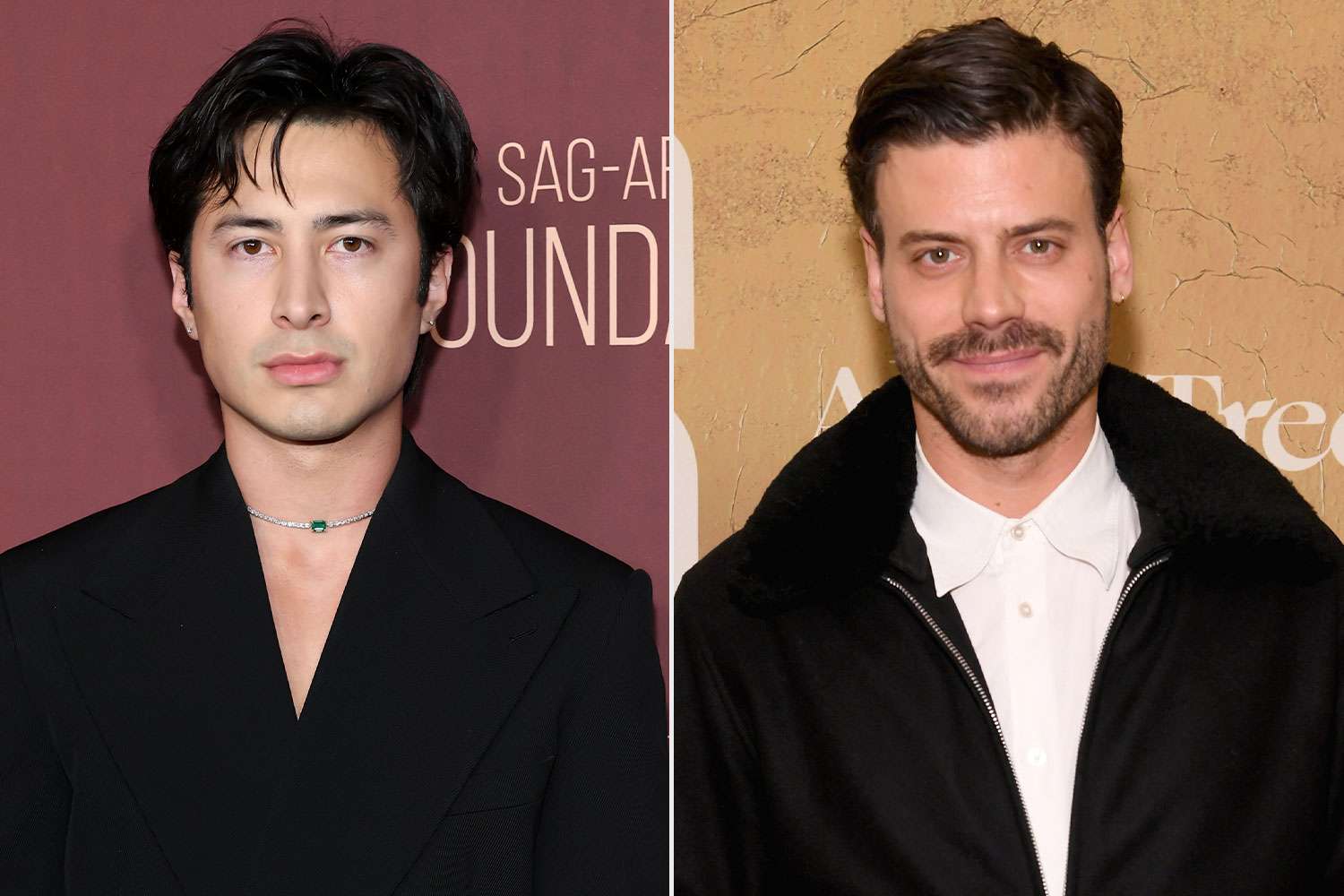
Cast members from the breakout queer hockey drama Heated Rivalry are publicly calling on fans to stop abusive behavior as the show’s popularity continues to surge online. According to Entertainment Weekly, stars Hudson Williams and François Arnaud shared matching statements on social media condemning racist, homophobic, biphobic, misogynistic, ageist, ableist, parasocial, and otherwise bigoted commentary from people claiming to support the show.
The coordinated message, later shared by costar Robbie Graham-Kuntz, made clear that the cast sees a distinction between passionate fandom and harmful conduct. The actors’ public intervention reflects a broader reality facing breakout streaming hits: once a series reaches viral status, the conversation around it can become as culturally significant as the series itself.
The issue is not unique to Heated Rivalry. In recent years, stars from major franchises and streaming dramas have increasingly addressed harassment, fan entitlement, and the blurring of lines between fictional relationships and real people. Coverage from Wired has also highlighted how online fan communities can fracture under the pressure of explosive attention, shipping discourse, and algorithm-fueled amplification.
Why this story matters in pop culture right now
This controversy lands at a moment when entertainment culture is increasingly shaped by digital communities rather than just ratings or reviews. A series can now become a phenomenon through clips, fan edits, memes, and reaction threads — but that same visibility can foster harassment campaigns, pile-ons, and invasive parasocial behavior.
What makes the Heated Rivalry moment especially notable is that the cast is trying to set boundaries early, before toxic behavior becomes normalized as part of the fandom experience. That matters for performers, moderators, creators, and audiences alike. It also reflects a growing expectation that actors must not only promote their work, but also navigate the emotional consequences of internet virality in real time.
Arnaud previously suggested that some of the backlash may come from younger fans struggling to distinguish between fiction and reality, as reported by the Toronto Star. That observation touches on one of the central tensions in contemporary fandom: viewers are more emotionally invested than ever, but social platforms often reward outrage, tribalism, and personal intrusion over thoughtful engagement.
The bigger trend across entertainment
The latest pop culture conversation is not just about one show. It is about how modern fandom operates in the age of constant access. Social media gives audiences unprecedented proximity to stars, but it can also distort boundaries, making fans feel entitled to demand responses, police relationships, or attack cast members who do not align with preferred narratives.
For the entertainment industry, this raises an increasingly urgent question: how should creators and platforms protect talent while still encouraging fan enthusiasm that helps shows break through? Studios and streamers benefit from viral fandom, but the human cost can fall heavily on actors and community moderators when online behavior turns abusive.
In that sense, the Heated Rivalry backlash is more than celebrity drama. It is a case study in the pressures of internet-era fame, especially for performers attached to emotionally charged and highly online fan communities. The cast’s statement serves as both a condemnation of abuse and a reminder that admiration does not excuse dehumanization.
Analysis
From a pop culture standpoint, this story illustrates how fandom itself has become part of the entertainment product. The success of a modern series is often measured not only by viewership, but by how intensely it is discussed, clipped, debated, and defended online. That environment can generate enormous visibility, but it can also create a feedback loop where the loudest and most aggressive voices dominate the discourse.
By speaking out, the Heated Rivalry cast is participating in a broader cultural correction. Increasingly, celebrities are refusing to treat harassment as an unavoidable byproduct of success. Their message suggests that strong fan communities do not need to be toxic to be passionate — and that setting boundaries may be one of the most important media-literacy lessons in entertainment right now.
Sources: