



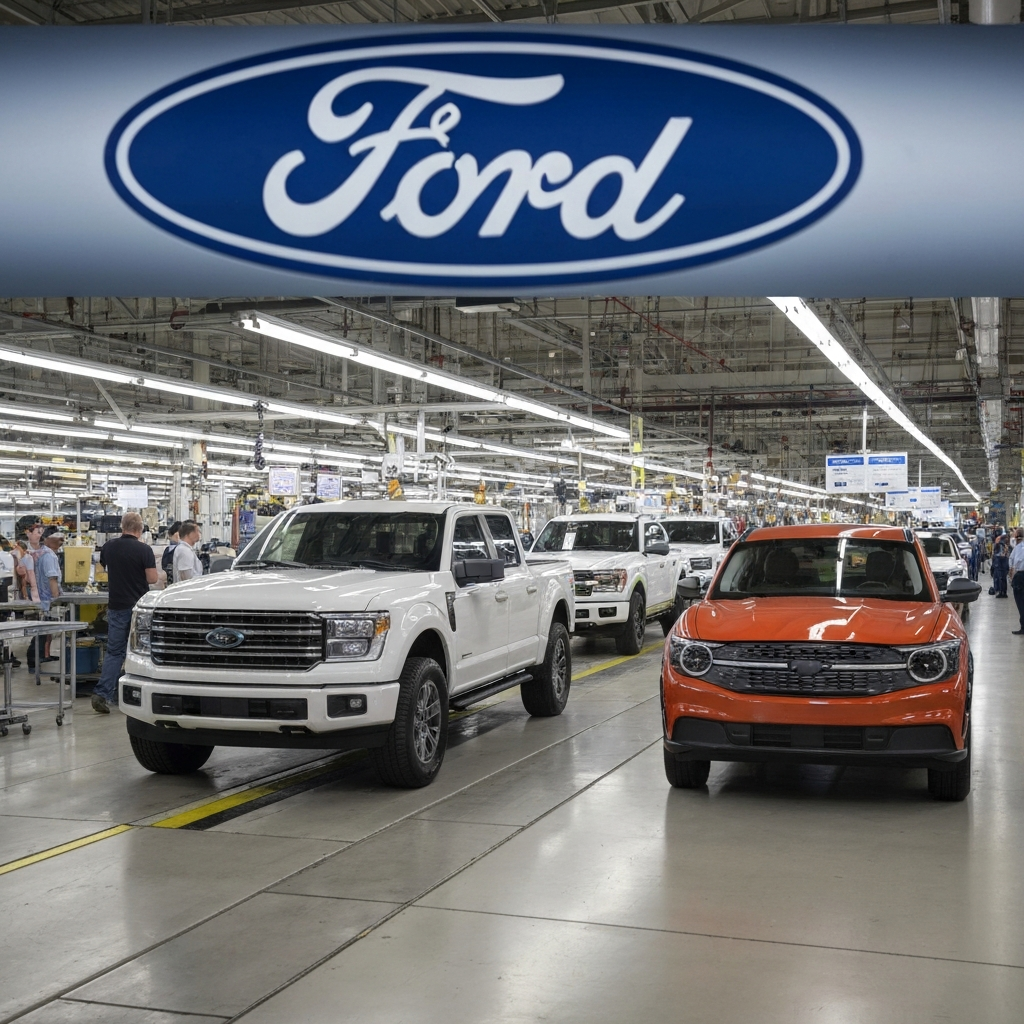
Ford is facing renewed scrutiny after a wave of recalls touched nearly every vehicle line in its portfolio between 2020 and 2026, with the Ford GT standing out as the lone recent exception. The report, highlighted by Fox Business, underscores how deeply recall activity has affected Ford’s SUVs, trucks, performance vehicles and commercial vans during a period when the automaker says it has deliberately moved faster to identify and fix defects before they become broader safety crises.
Why this belongs in Business
This story is best categorized as Business because it centers on a major automaker’s operational strategy, product quality controls, regulatory exposure, and brand risk. While the article touches on vehicle technology and safety systems, the core issue is how Ford is managing recalls at scale, what that means for costs and consumer confidence, and how the company’s actions compare with industry peers.
Latest developments in the Ford recall story
According to Fox Business, Ford issued more than 150 recalls in 2025, setting a record for the most recalls by a single automaker in one year. The company attributed the surge to a more aggressive voluntary recall policy meant to catch hardware and software issues early. Ford said it expanded its safety and technical teams and increased “testing to failure” on critical systems including braking, steering and powertrains.
That strategy has had sweeping consequences across the lineup. Fox Business reported that affected vehicles included major SUV and crossover models such as the Escape, Bronco Sport, Bronco, Explorer, Expedition, Mustang Mach-E and Edge, as well as trucks including the Maverick, Ranger, F-150, F-150 Lightning and Super Duty. Commercial vans such as the Transit and E-Transit were also impacted. The defects cited ranged from rearview camera failures and suspension concerns to electrical faults, braking issues and fire risks.
Ford has also disclosed major recall actions in filings and announcements covered by national outlets. Recent examples include recalls involving rearview camera systems, battery-related concerns, wiper motor issues and drivetrain defects, all of which can carry legal, regulatory and reputational implications. The National Highway Traffic Safety Administration maintains recall databases and safety notices that have become increasingly relevant to consumers tracking whether their vehicles are affected. Owners can search active recalls directly through the NHTSA recall database.
What the wider business picture shows
The recall surge lands at a delicate time for the global auto industry. Automakers are balancing the expensive transition to electric vehicles, persistent software integration challenges, stricter safety expectations and pressure to protect margins. For Ford, the recall count is more than a quality headline. It affects dealer service capacity, warranty costs, supply chain planning and long-term consumer trust.
Ford’s own investor-facing materials have repeatedly emphasized the importance of improving quality and lowering warranty expense. In its corporate reporting and newsroom updates, the company has pointed to efforts to simplify engineering processes and strengthen quality control. Those efforts can be tracked through Ford’s corporate site and official Ford Media Center releases.
At the same time, industry observers continue to note that recalls are not always a sign that a company is ignoring safety. In some cases, a higher recall total can reflect a more proactive compliance posture. That does not eliminate the business damage, but it does complicate the narrative. Investors and customers alike must weigh whether Ford’s elevated recall volume reflects deteriorating execution, more transparent problem detection, or both.
Regulatory and consumer implications
Safety recalls can trigger costs well beyond repairs. They can invite federal scrutiny, increase class-action exposure and depress resale values for affected models. They also create friction for consumers who must schedule service appointments and, in some cases, stop driving vehicles until repairs are available. Federal safety oversight from NHTSA remains central to how such defects are identified, monitored and remedied.
For consumers, the practical takeaway is straightforward: check vehicle identification numbers regularly for open recalls and respond quickly when repairs become available. For Ford, the bigger challenge is proving that a high-volume recall strategy will ultimately improve quality rather than simply reveal how widespread its product issues have become.
The bottom line
Ford’s recall wave is not just an automotive safety story. It is a business story about execution, accountability and the cost of maintaining trust in a highly competitive industry. If the company’s aggressive recall approach leads to fewer severe incidents and stronger products over time, Ford may argue the short-term pain was necessary. But until recall totals decline and quality metrics improve, the company is likely to remain under pressure from customers, regulators and the market.
Sources: Fox Business; NHTSA Recall Database; Ford Corporate; Ford Media Center.