



Category selected: Pop Culture
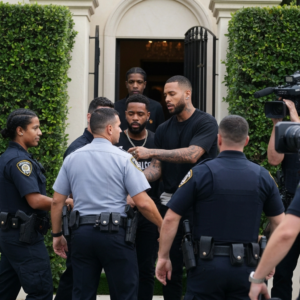
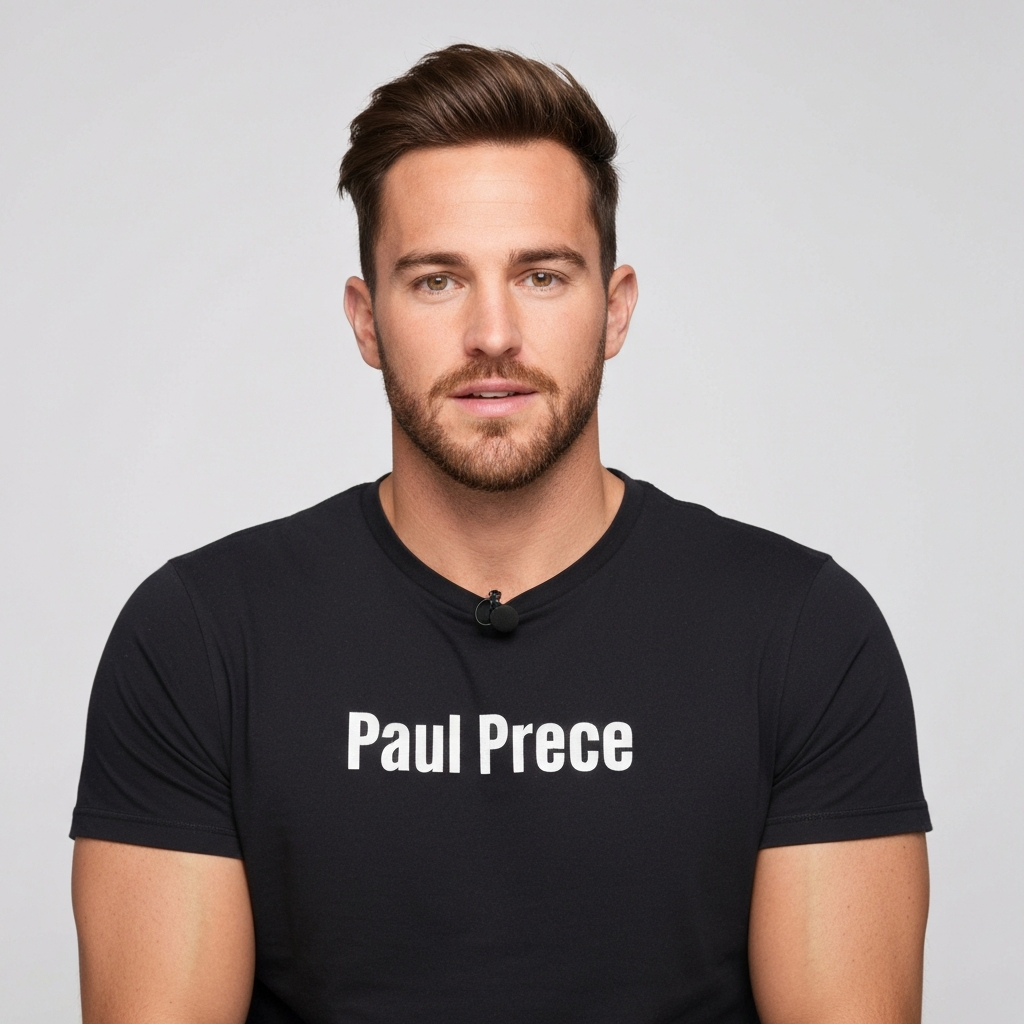
Paul Preece, known for appearing on and winning the first season of Netflix’s survival competition Outlast, was arrested in Tennessee and charged with rape of a child, aggravated sexual battery, and attempted rape of a child, according to reporting from Entertainment Weekly citing Knox County inmate records. The case has not yet reached trial, and no pre-trial court date had been set at the time of the report. Preece was reportedly being held on a $150,000 bond with electronic GPS monitoring listed among release conditions.
Why this belongs in Pop Culture
This story sits squarely in the pop culture space because it centers on a reality television figure, a Netflix franchise, and the wider entertainment ecosystem that turns contestants into recognizable personalities. While the allegations are criminal and serious, the news value here is tied to celebrity, streaming culture, and the public image risks facing entertainment brands.
The latest development
Preece rose to wider recognition after appearing on season 1 of Outlast, Netflix’s wilderness-survival competition series. As Entertainment Weekly noted, he ultimately joined the winning Charlie team and shared in the show’s $1 million prize. The arrest now places renewed attention on how quickly reality contestants can move from little-known individuals to public-facing personalities whose personal conduct can affect a platform’s brand.
Netflix has already confirmed that Outlast will return for a third season, according to the streamer’s Tudum site: Netflix Tudum. That means the story is likely to remain relevant not just as a legal matter but also as a reputational issue for the series and for unscripted programming more broadly.
The bigger pop culture context: scrutiny of reality TV vetting
The Preece case arrives at a time when audiences are increasingly attentive to who gets elevated by reality television and how thoroughly casts are vetted before appearing on major platforms. Reality programming remains one of streaming’s most cost-effective and engagement-friendly formats, but controversies involving cast members can rapidly reshape viewer sentiment and media coverage.
Netflix has continued to invest heavily in unscripted and competition-based entertainment as part of its broader content strategy. In its recent investor materials and company updates, the streamer has repeatedly emphasized broad audience engagement across genres, including non-scripted fare. See Netflix’s investor relations hub here: Netflix Investor Relations.
Across the industry, streamers and networks have leaned on reality franchises because they generate conversation, social clips, and repeat viewing. But those same advantages can intensify fallout when allegations emerge involving contestants or winners. A show’s archive stays online, clips continue circulating, and the platform may face questions about oversight long after filming wraps.
Why this matters for Netflix and the genre
For Netflix, the immediate question is not simply whether Outlast returns—it already is—but whether the series now carries additional baggage into its next season. In the streaming era, audiences do not just watch a show; they also follow cast members on podcasts, social platforms, and interview circuits. That creates an expanded celebrity ecosystem where participants can become quasi-influencers attached to a platform’s image.
The Preece story also underscores a persistent tension in unscripted TV: authenticity is part of the appeal, but authenticity can bring risk. Contestants are often chosen because they seem intense, memorable, unconventional, or dramatic. Those same traits may raise the stakes when off-screen behavior becomes part of the public record.
What to watch next
The legal case itself will determine the next factual developments, and any further reporting should be monitored carefully through court records and verified news outlets. In entertainment terms, the key questions are whether Netflix comments publicly, whether Outlast season 3 marketing changes in tone, and whether the case prompts broader discussion around background checks and duty of care in reality casting.
For now, the story is a reminder that in modern pop culture, the line between programming and public persona is thin. A reality contestant’s arc no longer ends with the finale. In the streaming economy, it can continue indefinitely—and when scandal intervenes, the platform, the production, and the genre can all feel the impact.