




Category: Business
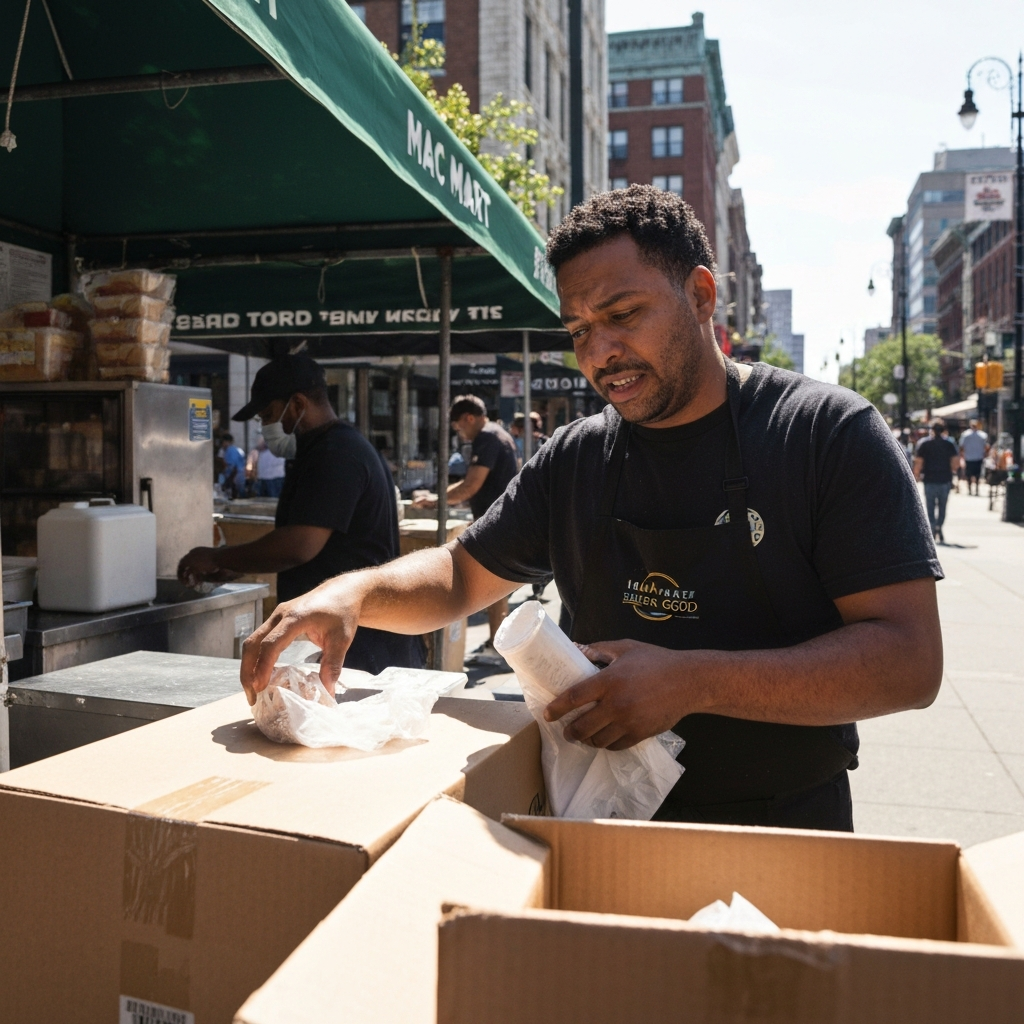
A bizarre shipment of 600 tubs of French onion dip to a tiny Philadelphia food kiosk is more than an odd local headline — it is a sharp reminder of how vulnerable small businesses can be to supply-chain errors, fraudulent promotions, and product-safety uncertainty. According to Fox Business and reporting from Fox 29 Philadelphia, Mac Mart owner Marti Lieberman said she never ordered the products and ultimately discarded them after concerns they could be unsafe.
That decision highlights a core issue facing independent operators: when an unexplained shipment arrives, a small business often lacks the legal, logistical, and food-safety infrastructure that larger chains use to verify product origin, quality control, and liability exposure. Even when the goods appear usable, uncertainty itself becomes a business risk.
Why this is a business story
The incident fits squarely in the Business category because it touches on retail operations, inventory management, vendor verification, and risk mitigation for small enterprises. The reported shipment consumed valuable space in a kiosk measuring roughly 6 by 11 feet, turning an already compact operation into a storage and disposal problem. For a small food seller, unexpected product volume can disrupt workflow, create sanitation issues, and force owners to spend time resolving problems instead of serving customers.
The mystery also arrives at a time when business leaders are paying closer attention to supply-chain resilience and traceability. The National Retail Federation has repeatedly emphasized inventory visibility and operational flexibility as critical priorities for merchants navigating uncertain fulfillment environments. For food businesses especially, chain-of-custody questions are not theoretical; they directly affect customer trust and legal exposure.
Broader context: supply chains, safety, and fraud concerns
Recent business reporting has shown that supply-chain management remains a major concern across industries. The Wall Street Journal, Reuters, and Bloomberg have all continued to cover how businesses are reassessing sourcing, delivery systems, and vendor accountability as costs and disruptions persist. Meanwhile, food companies are under increasing pressure to maintain traceability standards and respond quickly to contamination concerns when product origin is unclear.
Guidance from the U.S. Food and Drug Administration underscores why Lieberman’s caution mattered. Food sellers are expected to handle products in a way that protects consumers and supports traceability. If a shipment’s source, storage history, or handling conditions cannot be confirmed, distributing it could expose customers to harm and the business to liability.
There is also a digital-fraud angle. Unsolicited promotional emails, particularly those appearing to come from vague overseas marketing entities, can be linked to scams, phishing attempts, or unauthorized logistics activity. The Federal Trade Commission regularly advises businesses to verify unexpected offers, invoices, and deliveries before accepting or using products. For small businesses with limited administrative staff, these deceptive or confusing contacts can be especially difficult to assess in real time.
What small businesses can learn
This Philadelphia case offers a practical lesson for operators well beyond food service. First, every unexpected shipment should be documented immediately, including labels, lot numbers, sender details, and communication records. Second, owners should contact the brand owner directly using verified corporate channels rather than replying to a suspicious email. Third, if the products are consumable, businesses should isolate them from customer areas until provenance is confirmed. Finally, they should review insurance, return policies, and vendor acceptance procedures before a similar episode occurs.
In that sense, the onion dip mystery is not just a novelty story. It reflects the growing complexity of doing business in an environment where fulfillment networks are global, promotions can be spoofed, and even “free inventory” can become a costly operational problem.
The latest business backdrop
The wider business environment continues to reinforce these concerns. Coverage from Reuters Business and CNBC has highlighted how companies are balancing consumer demand with tighter margins, unpredictable freight conditions, and stricter quality oversight. Small firms are often less equipped than national chains to absorb losses from product disposal, administrative confusion, or reputational damage.
Against that backdrop, Lieberman’s decision to throw out the mystery shipment may have been expensive and frustrating, but it was likely the safest business call. In a retail economy increasingly defined by trust and traceability, refusing uncertain inventory can be the smartest inventory decision of all.
Sources:
- Fox Business – Philadelphia food stand overwhelmed when 600 tubs of onion dip mysteriously appear
- Fox 29 Philadelphia – Mystery shipment sent to Mac Mart
- U.S. Food and Drug Administration – Food guidance and safety resources
- Federal Trade Commission – Business guidance on fraud and scams
- National Retail Federation – Retail industry insights
- Reuters Business
- CNBC Business