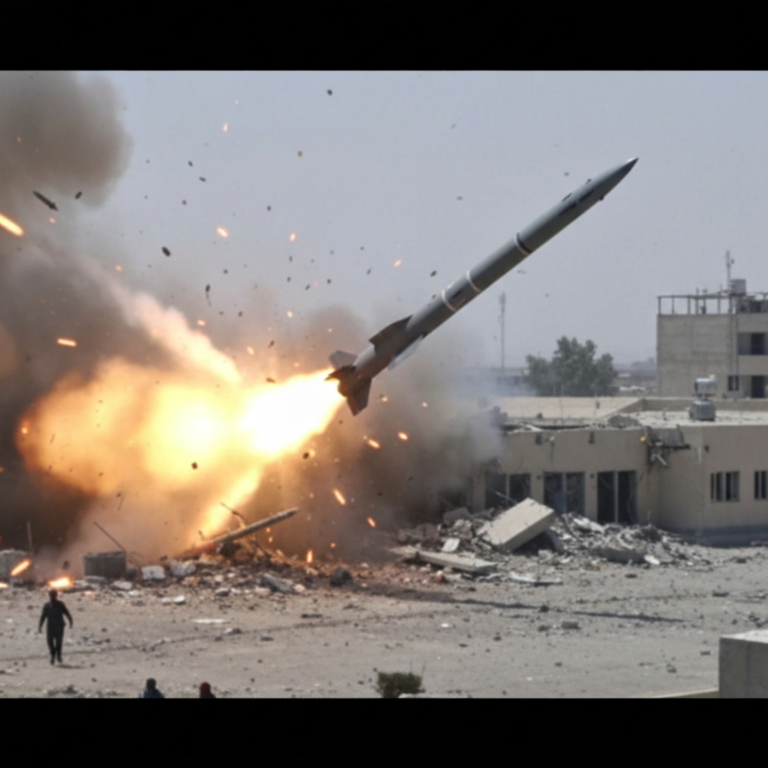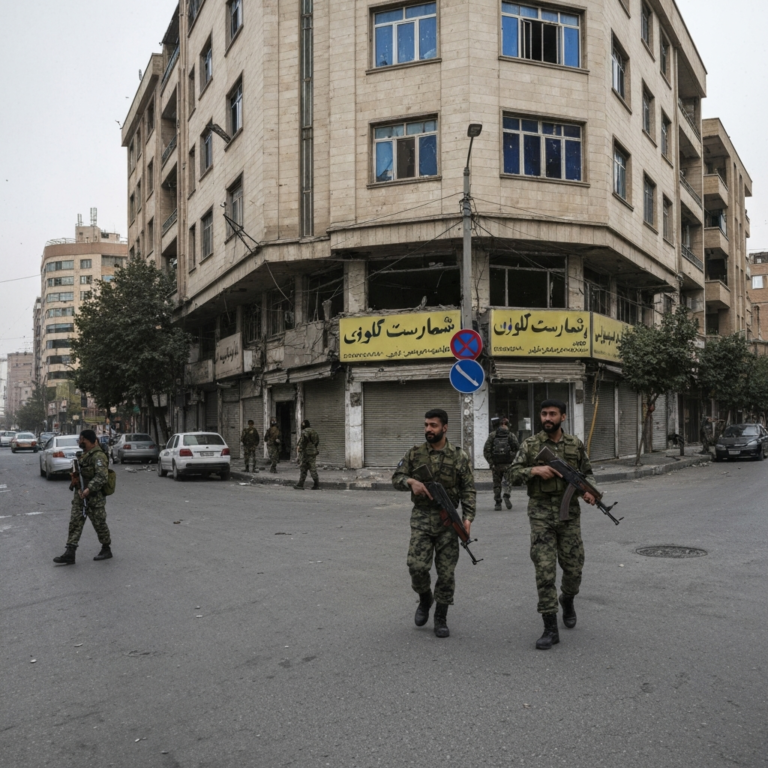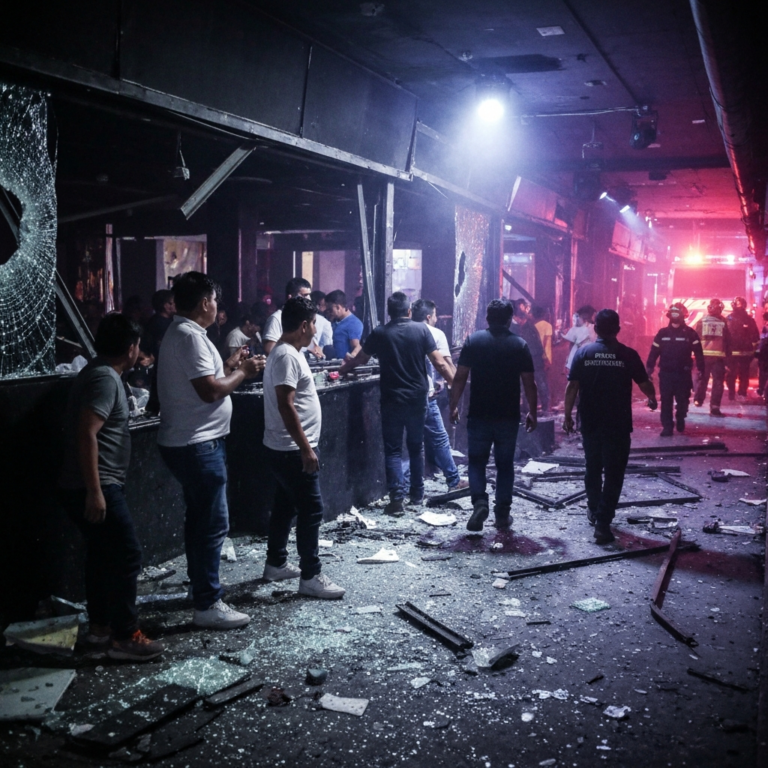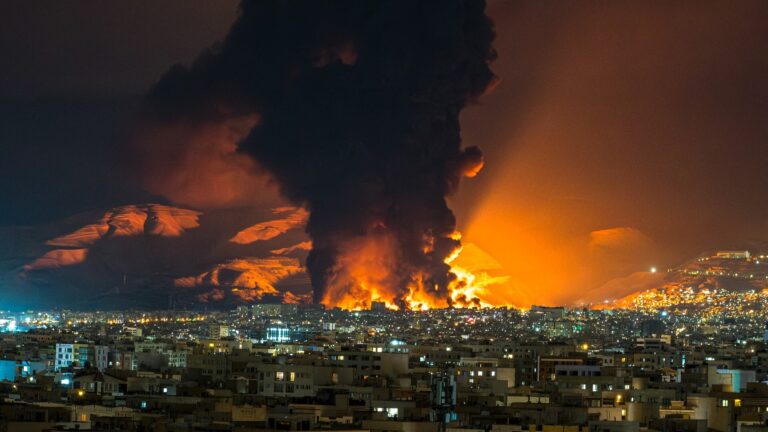



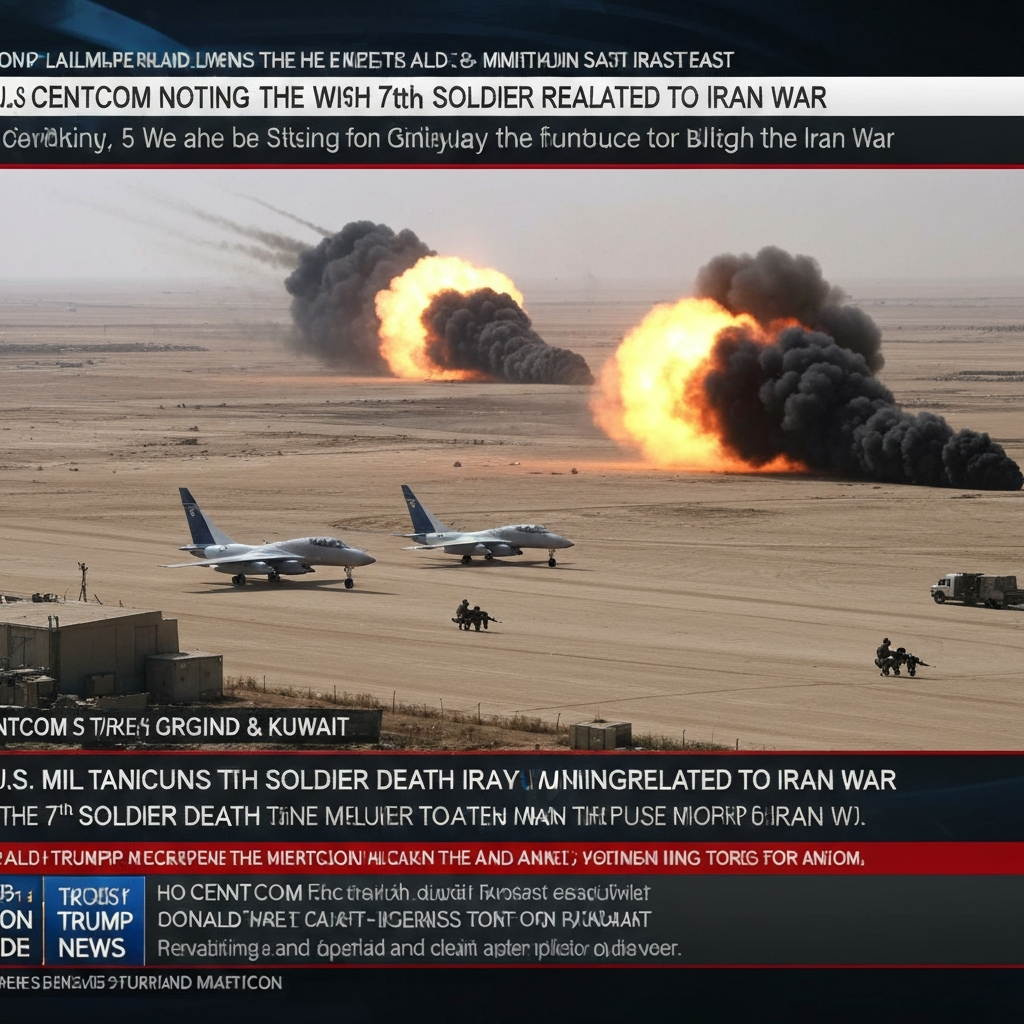
A seventh U.S. service member has died from injuries sustained during the opening attacks in the escalating conflict involving Iran, according to U.S. Central Command. The soldier, who was wounded in Saudi Arabia on March 1, died Saturday night, adding to a mounting toll from the early days of the campaign.
Conflict toll rises after initial Iran-linked attacks
U.S. Central Command said the soldier was seriously wounded during one of the Iranian regime’s initial attacks across the Middle East. Officials have not yet released the service member’s name pending family notification. CENTCOM said the attack happened in the Kingdom of Saudi Arabia, though it has not confirmed whether the soldier was at Prince Sultan Air Base in Al-Kharj, a major facility used by U.S. and Saudi forces.
The announcement came hours after President Donald Trump attended the dignified transfer of six other U.S. troops killed in the same broader conflict. Those service members, identified earlier by officials, were killed March 1 in Kuwait. Reporting from Straight Arrow News said the first fatalities were tied to a drone attack in Port Shuaiba and involved members of the 103rd Sustainment Command, a unit based in Des Moines, Iowa.
Why this development matters
The latest death underscores how quickly regional military exchanges can widen the human cost of conflict, even beyond direct frontline combat. Saudi Arabia and Kuwait are both key hubs for U.S. logistics, air operations and regional force support. An attack on personnel in those locations signals that support infrastructure, not just combat formations, remains vulnerable.
It also raises fresh questions about force protection, escalation risks and the possibility of a broader regional spillover. Military analysts have long warned that Iranian-linked strikes on bases, logistics corridors and communications infrastructure can have outsized strategic effects by disrupting deployment and resupply operations.
Broader world reaction and regional stakes
The conflict is being closely monitored across the globe as governments weigh the risk of a wider Middle East war affecting energy markets, shipping lanes and diplomatic stability. Coverage from major international outlets including Reuters’ Middle East section, The Associated Press and BBC News has highlighted how rapidly regional tensions can reverberate far beyond the battlefield.
Any sustained conflict involving Iran, the United States and regional allies could place renewed pressure on Gulf security arrangements and increase concern over maritime trade through the Persian Gulf and nearby chokepoints. That makes each reported casualty not only a personal tragedy, but also a marker of a conflict with potentially global consequences.
What comes next
Officials are expected to release the fallen soldier’s identity after relatives are notified. In the near term, attention will likely focus on whether the United States adjusts troop posture, air defense coverage or retaliatory operations in response to continued threats.
For now, the death of a seventh U.S. service member is a stark reminder that the costs of the conflict are still rising, and that the region remains on edge as military and political leaders assess their next moves.
Sources: Straight Arrow News; U.S. Central Command; Reuters; Associated Press; BBC News.