


Iran’s reported move to select a new supreme leader after the killing of Ayatollah Ali Khamenei is first and foremost a World news story: it sits at the intersection of regional war, cross-border missile strikes, Gulf security, and the future balance of power in the Middle East. The succession question is not simply an internal Iranian political development. It is unfolding under active military pressure from Israel and the United States, while violence is spilling into Lebanon and drawing in Gulf states as well.
Iran’s leadership transition is being shaped by war
According to Reuters, citing Iran’s Mehr News Agency, Iran’s Assembly of Experts says it has reached a consensus on a successor, though procedural obstacles remain. Those obstacles reportedly include whether clerics can safely gather in person while the threat of additional strikes persists.
That detail alone underscores the gravity of the moment. A succession process that would normally be tightly controlled and deeply symbolic is instead taking place under wartime conditions. The uncertainty over whether officials can physically meet reflects how vulnerable even the highest levels of the Iranian state appear to be.
Israeli strikes and regional fallout are widening the conflict
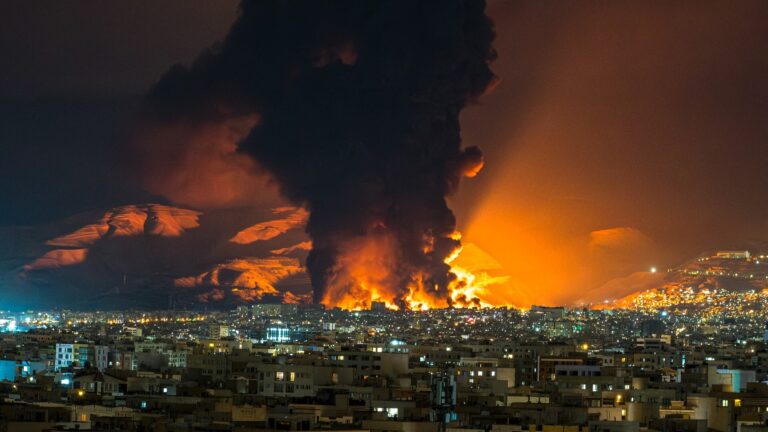
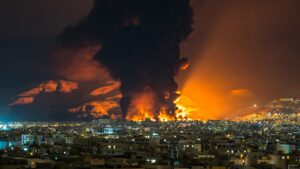
Verified footage reviewed by The New York Times showed large fires and smoke after Israeli strikes on fuel depots in Tehran and Karaj. Iran’s foreign ministry described the attacks as a dangerous escalation targeting energy infrastructure, while the Israeli military said the sites were linked to fuel distribution for military use.
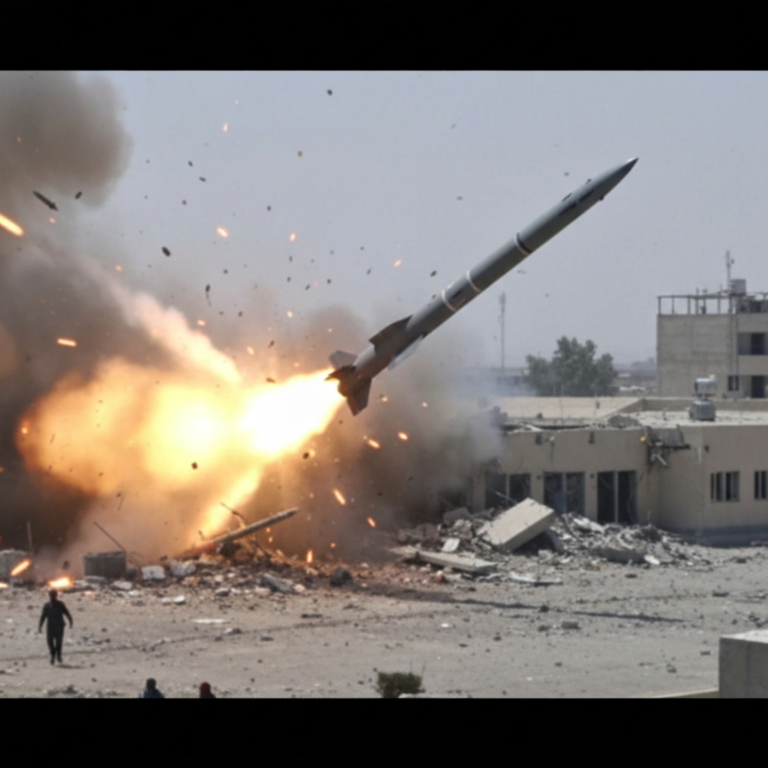
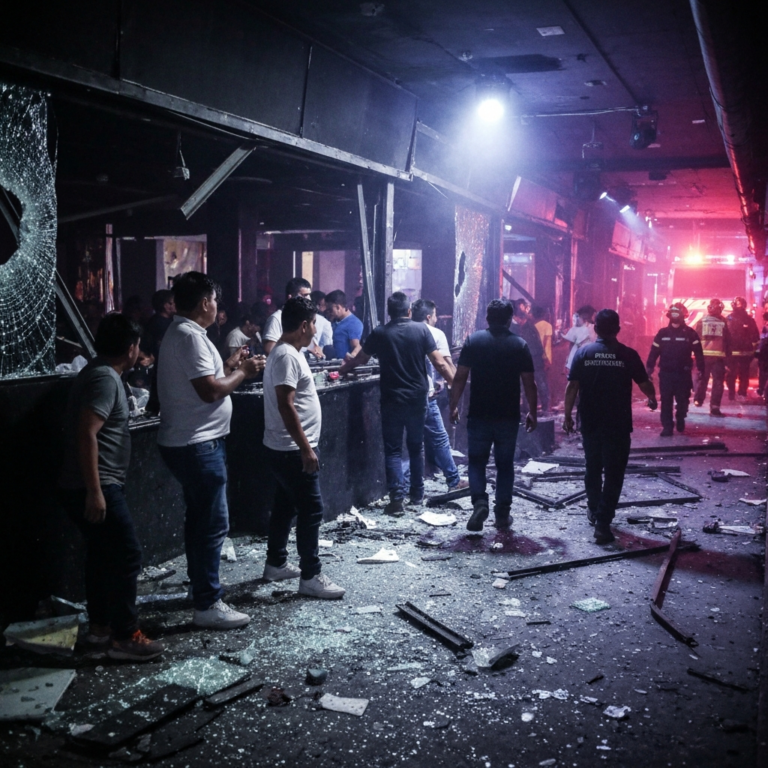
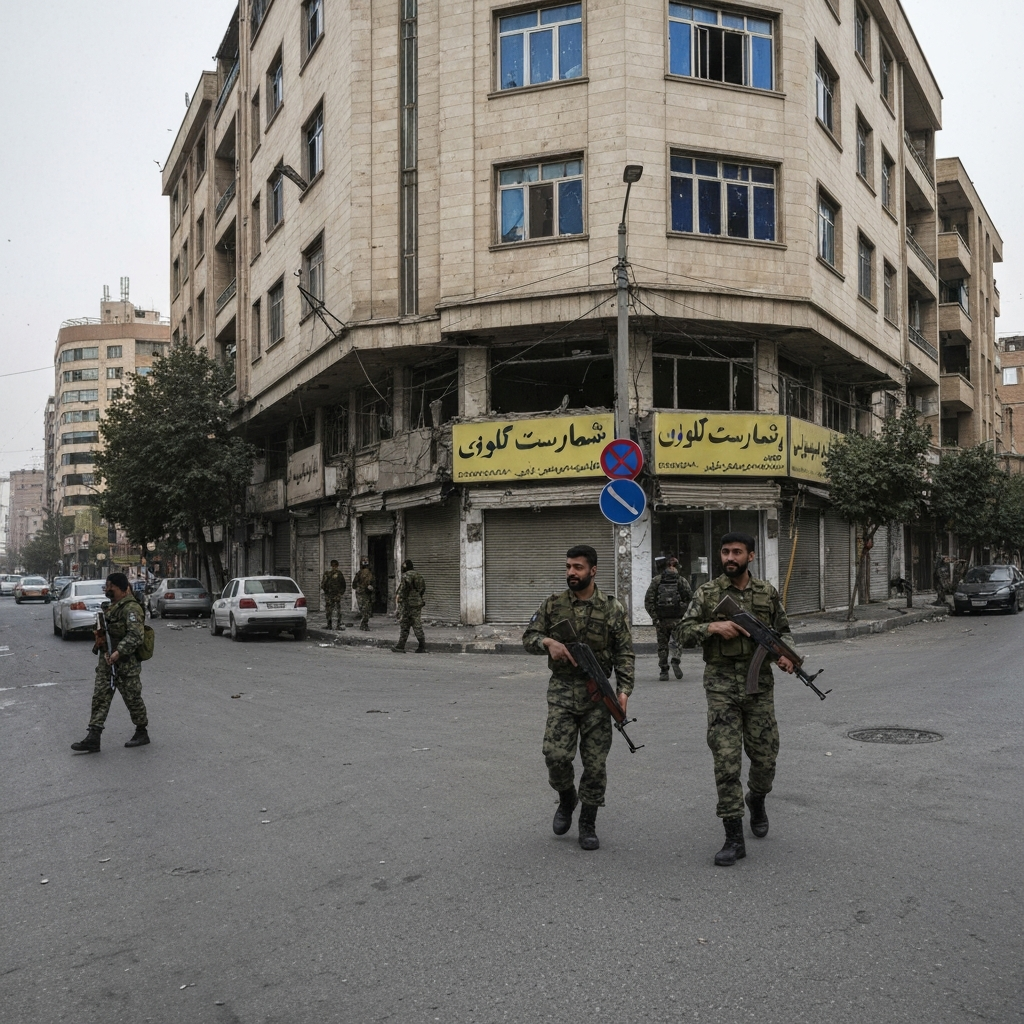
The broader picture is even more destabilizing. The Associated Press reported that Bahrain, Kuwait, and the United Arab Emirates said Iran launched additional missiles toward them, with some strikes reportedly hitting new categories of civilian infrastructure. In Lebanon, the conflict involving Israel and Hezbollah continues to inflict a severe civilian toll, adding another active front to an already volatile regional crisis.
Why this matters beyond Iran
This story belongs in the World category because its implications are international, not merely domestic. A leadership transition in Iran can affect oil markets, maritime security, U.S. force posture in the region, Gulf state defenses, Israeli military planning, and the future of proxy conflicts from Lebanon to the Persian Gulf.
It also raises a central geopolitical question: can a state execute an orderly transfer of supreme authority while under sustained external attack? If Iran’s leadership transition is delayed, contested, or perceived as externally influenced, that could deepen instability inside Iran and heighten the chance of further escalation abroad.
Latest context from major international coverage
Recent reporting across major outlets points to three immediate themes:
- Leadership uncertainty: Reuters’ reporting indicates that even if a consensus candidate exists, formalizing power during wartime is proving difficult.
- Infrastructure warfare: The New York Times’ live coverage highlights how strikes on fuel and industrial targets are expanding the conflict beyond battlefield assets alone.
- Regional spillover: AP’s reporting shows the war is no longer confined to Iran and Israel, with Lebanon and Gulf states also under threat.
Analysis: succession under fire could reshape the Middle East
The biggest near-term risk is not just who becomes Iran’s next supreme leader, but how that choice is made and whether key power centers accept it. In crises like this, legitimacy matters almost as much as military capability. If a successor is viewed as rushed into office, imposed by wartime necessity, or selected under extraordinary foreign pressure, rival factions inside the Iranian establishment may not openly revolt, but they may resist in quieter and more dangerous ways.
At the same time, Israel and the United States may see this period as strategically significant, calculating that Iran is at one of its weakest and most disoriented moments in decades. That creates a combustible dynamic: one side may believe it has a rare window to degrade an adversary, while the other may feel compelled to demonstrate resilience through broader retaliation.
For global audiences, the core takeaway is clear: this is no longer just a story about Iranian succession. It is a test of whether a regional war can be contained once state leadership, civilian infrastructure, and multiple national borders are all pulled into the same crisis.
Sources: Reuters, The New York Times, Associated Press.