Latest Developments
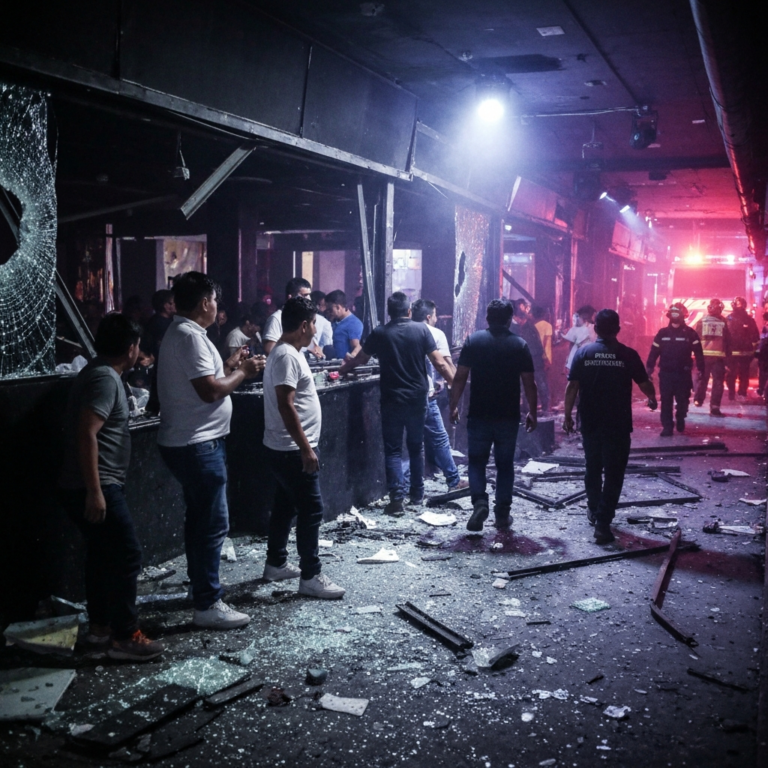
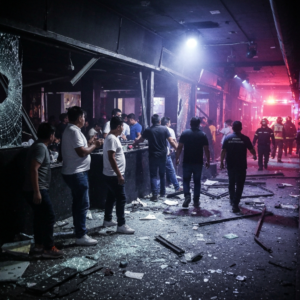
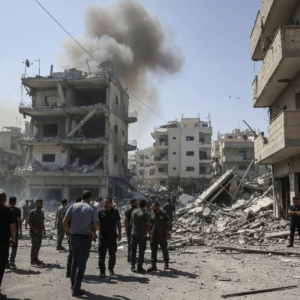
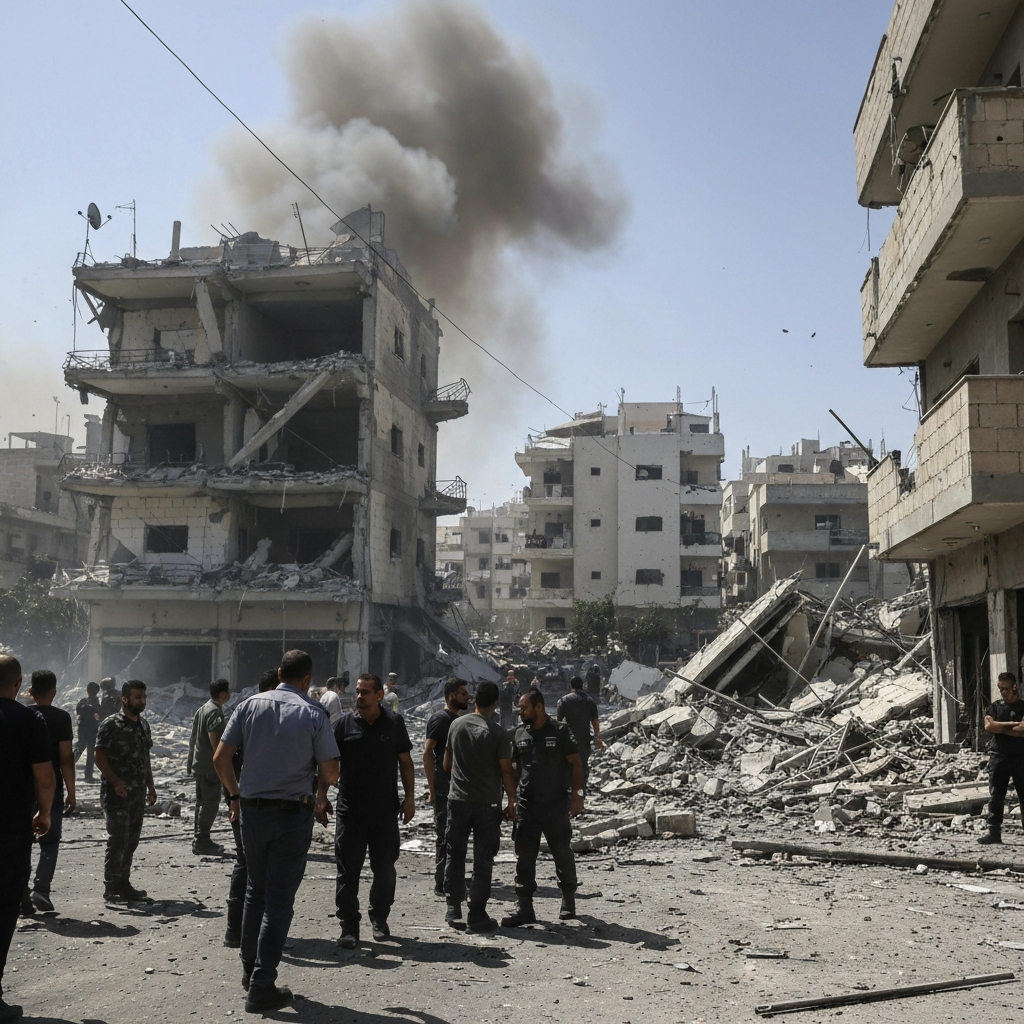
Israeli air and ground attacks in Lebanon killed at least 41 people and wounded 40 others, according to Lebanon’s Ministry of Public Health, after fighting reportedly broke out between Israeli forces and Hezbollah fighters in eastern Lebanon. Lebanese officials said Israeli commandos were detected in the area, leading to exchanges of gunfire followed by heavy air raids by Israeli warplanes and helicopters.
Hezbollah said it engaged what it called an “enemy infantry force” with light and medium weapons and then directed concentrated fire at Israeli troops as they withdrew. Residents cited by Reuters described extensive destruction, with at least one residential building struck while civilians were inside.
Israel’s military said its special forces had operated in Lebanon overnight in an attempt to locate remains connected to missing Israeli serviceman Ron Arad, who disappeared in the 1980s, but said the mission did not recover any findings. The operation marks a notable escalation because Israeli ground activity had largely been concentrated farther south in recent days.
Why This Matters
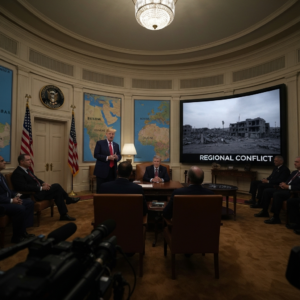
The latest strike underscores how quickly the Israel-Hezbollah confrontation can broaden beyond routine border exchanges into deeper and deadlier operations. Any expansion of fighting inside Lebanon raises fears of a wider regional conflict involving Iran-backed armed groups, Israel, and potentially outside powers seeking to contain escalation.
The incident also highlights the growing toll on civilians. As cross-border fire, raids, and retaliatory strikes intensify, communities in both Israel and Lebanon face displacement, infrastructure damage, and mounting pressure on medical systems and local governments.
Broader Regional Context
The Israel-Lebanon front has remained one of the most volatile flashpoints in the Middle East. The Associated Press and Reuters Middle East coverage have documented repeated exchanges of rockets, drone strikes, and artillery fire tied to the broader regional fallout from the Israel-Gaza war. Analysts have warned that even limited tactical operations can trigger wider retaliation if one side perceives a significant shift in rules of engagement.
Diplomatic efforts to prevent a full-scale war have continued, with international stakeholders urging restraint. The United Nations has repeatedly warned that sustained escalation along the Blue Line could destabilize Lebanon further and deepen an already severe humanitarian and economic crisis.
What to Watch Next
Key questions now include whether Israel continues operations deeper into Lebanese territory, whether Hezbollah expands the scale of its response, and whether diplomatic channels can restore some degree of deterrence. Investors, policymakers, and humanitarian groups will also be watching for knock-on effects on energy markets, regional shipping, and civilian displacement.
For now, the immediate picture is one of rising uncertainty: a deadly strike, a rare ground mission, and another sign that the conflict risks widening despite repeated international calls for de-escalation.
Sources
Straight Arrow News
Reuters
Associated Press
United Nations News