



Peru nightclub blast leaves at least 33 injured
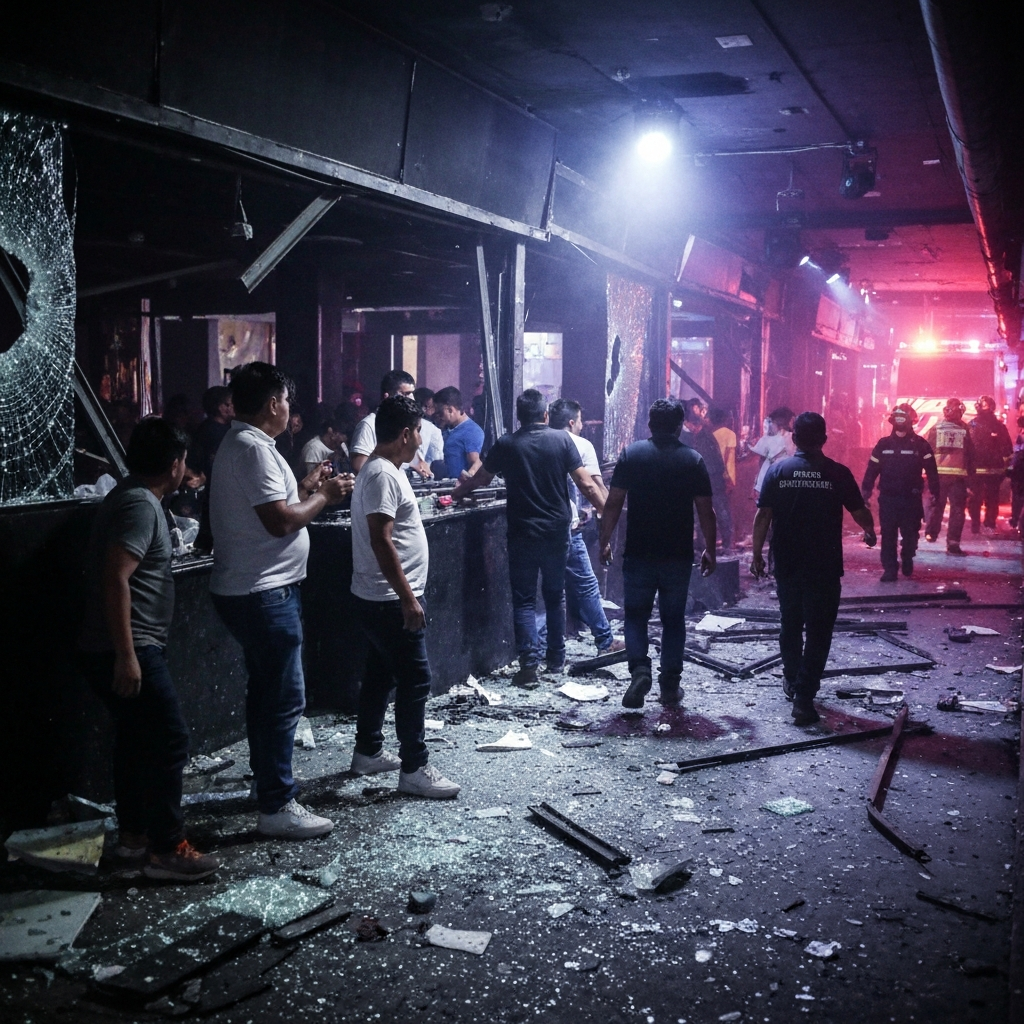
At least 33 people were injured after a grenade explosion struck the Dali nightclub in Trujillo, a city on Peru’s northern coast, according to The Associated Press. Health officials said at least five victims were seriously hurt, with some suffering amputations and shrapnel wounds severe enough to require surgery. Authorities also said three minors were among the injured.
The attack happened before dawn and, as of the latest reporting, investigators had not publicly identified who was responsible or what the motive was. The bombing adds to growing concerns about insecurity in Trujillo and the wider La Libertad region, where extortion, organized crime and violence linked to illegal mining have become increasingly difficult for authorities to contain.
A region under mounting pressure
The nightclub attack did not happen in isolation. AP reported that the same region experienced hundreds of explosions in 2025, including more than 100 in Trujillo alone. Less than a month before the nightclub blast, another explosion in the city damaged dozens of homes. That earlier incident caused no deaths, but it underscored how routine explosive violence has become in parts of northern Peru.
The pattern points to a broader deterioration in public security. Criminal networks in Peru have increasingly relied on bombings, threats and targeted intimidation to pressure business owners, transport operators and local communities. In Trujillo, extortion has become a recurring issue, affecting nightlife, transportation and commercial activity. The latest attack is likely to intensify calls for stronger police action and a more comprehensive national response.
Why this story matters beyond Peru
This is a world news story not only because of the scale of the attack, but because it reflects a wider regional challenge across Latin America: organized criminal groups are expanding their tactics and reach, often overwhelming local security institutions. Violence once associated primarily with trafficking routes is increasingly spilling into public gathering spaces, putting civilians at direct risk.
For Peru, the Trujillo bombing may become another test of whether the government can restore confidence in public safety. If attacks involving explosives continue in urban areas, the consequences could extend beyond the immediate human toll, affecting tourism, investment and daily life in one of the country’s major regions.
Latest developments to watch
Officials are expected to provide further updates on the condition of the wounded and on the criminal investigation. Key questions remain unanswered: whether the explosion was tied to extortion, whether a specific group was targeted, and whether the attack fits into a larger organized campaign in Trujillo.
This remains a developing story, and details may change as authorities release more information.
Sources
Associated Press: Peru nightclub bombing injures at least 33 people
Straight Arrow News: Bombing in Peru injures 33, 5 seriously