


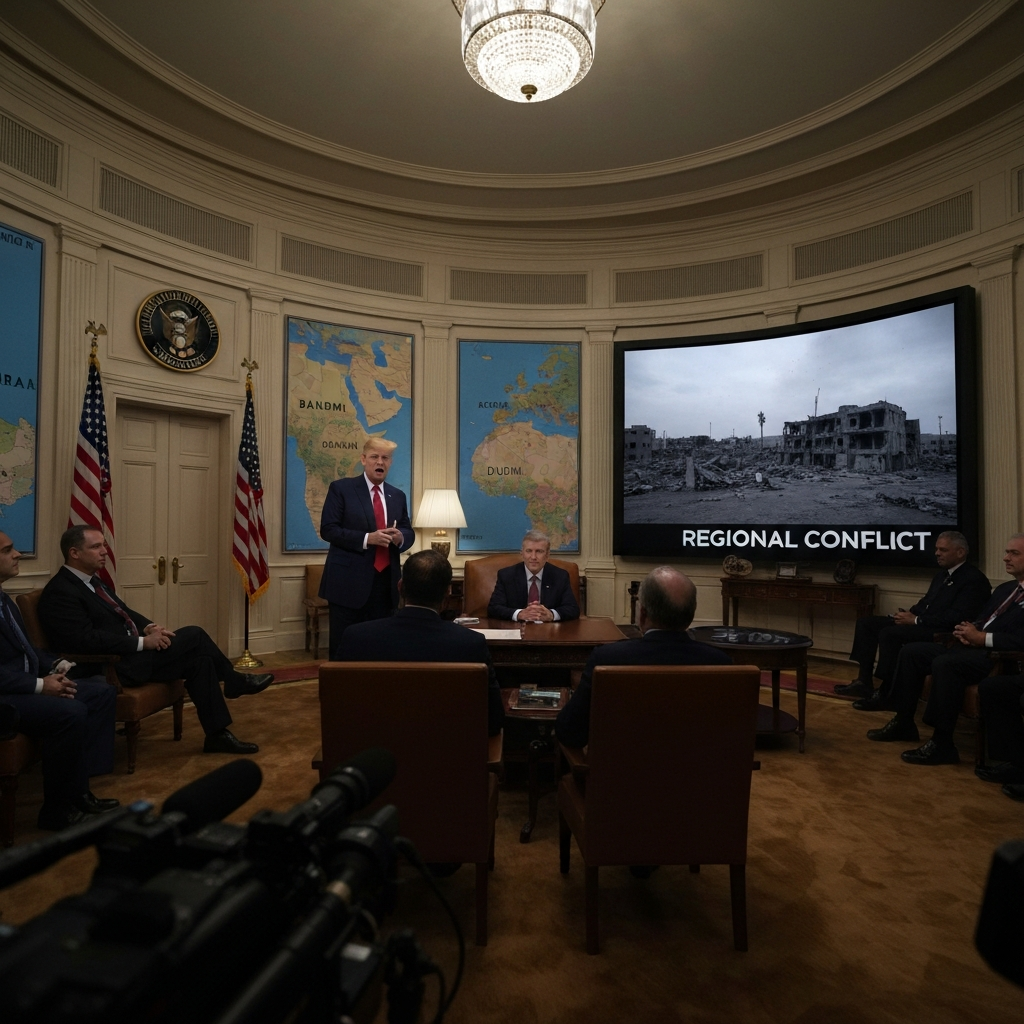
U.S. President Donald Trump warned that Iran will be “hit very hard,” escalating fears of a wider regional war as Iran, Israel and the United States exchange strikes and Gulf states report new attacks and air defense activity.
Conflict expands beyond Iran and Israel
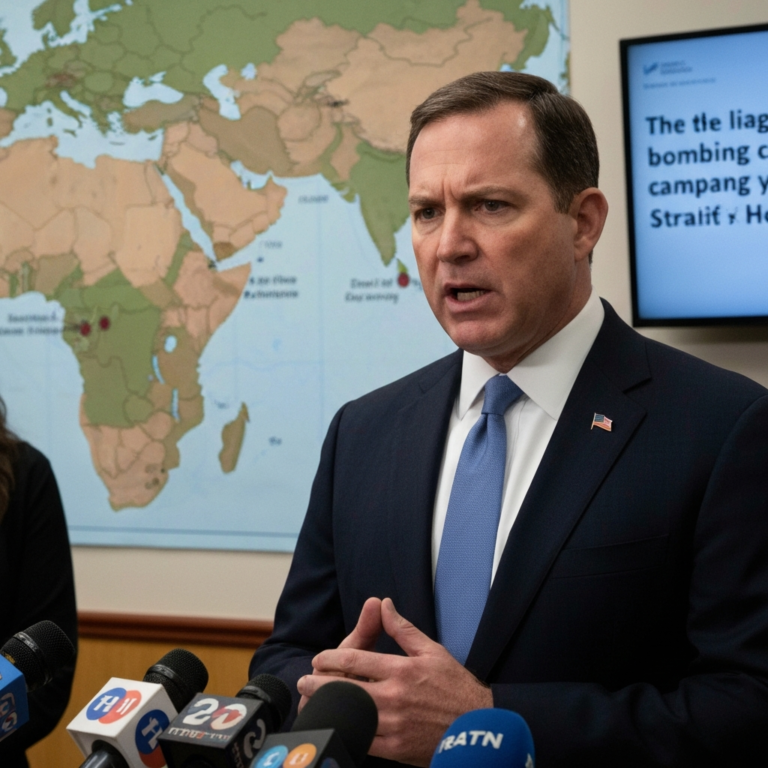
According to Straight Arrow News, Trump said on Truth Social that additional Iranian targets, including “areas and groups of people” not previously struck, were under “serious consideration.” The remarks came as Iranian President Masoud Pezeshkian apologized for attacks on neighboring countries while also rejecting calls for surrender.
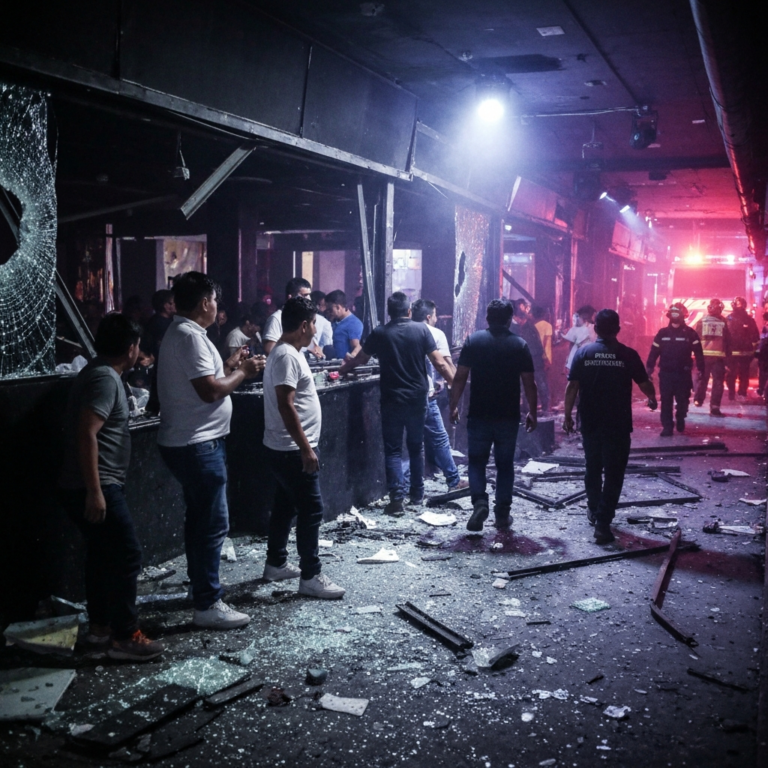
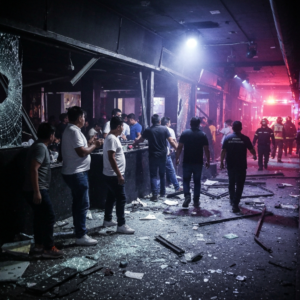
The latest developments point to a conflict that is no longer confined to direct Iran-Israel exchanges. Reports cited by The Associated Press say Bahrain sounded sirens after an Iranian attack, Saudi Arabia said it intercepted drones and a ballistic missile, and Dubai activated air defenses after blasts were heard near the emirate. Commercial aviation was also briefly disrupted, with Emirates pausing some flights before resuming operations.
High civilian and military toll raises pressure
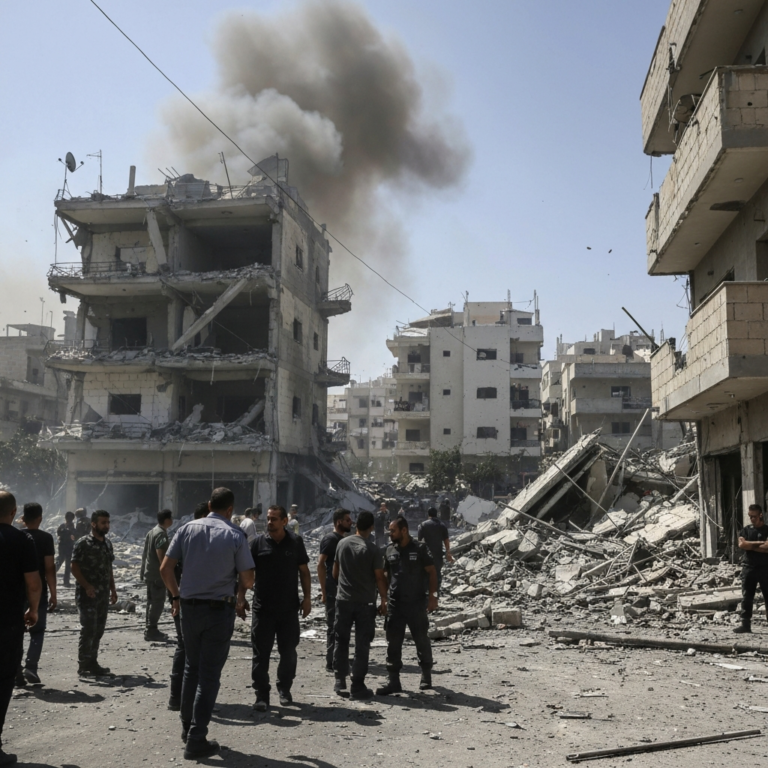
The humanitarian cost is mounting. Reuters reported comments from Iran’s U.N. envoy saying at least 1,332 Iranian civilians have been killed since the conflict began. The same broader regional fighting has also caused deaths in Lebanon, Israel and among U.S. service members stationed in Kuwait, underscoring how quickly the war has widened beyond its original fronts.
While the U.S., Israel and Iran have each said they are targeting military infrastructure rather than civilians, casualty figures and damage reports suggest the real-world impact is far broader. In conflicts involving missile attacks, drone strikes and retaliatory operations across multiple countries, the line between military and civilian harm often becomes blurred.
Why the Gulf matters
The Gulf is central to the crisis because it combines strategic military bases, vital oil infrastructure and some of the world’s busiest air and shipping routes. Any sustained attacks on Bahrain, Saudi Arabia or the United Arab Emirates could carry consequences far beyond the Middle East, including pressure on energy markets, commercial aviation and global trade flows.
That risk has been closely watched in international coverage of regional tensions. Reuters and AP reporting have repeatedly highlighted how attacks near energy sites or transport corridors can quickly become a global economic issue, not just a security matter for the countries directly involved.
Diplomacy appears weak, but still necessary
Pezeshkian’s apology to neighboring states and his statement that disputes should be resolved through diplomacy may indicate that some figures inside Iran want to prevent a total regional rupture. Yet his simultaneous defiance of Trump’s rhetoric shows how little political space currently exists for de-escalation.
That makes the next moves by Washington, Tehran and Jerusalem especially important. If threats continue to be answered with public ultimatums and retaliatory strikes, the prospects for mediation will diminish further. If backchannel diplomacy emerges, however, Gulf states could play a critical role in containing the fallout.
What to watch next
The most important indicators in the coming days will be whether attacks continue against Gulf states, whether commercial air travel faces additional disruption, and whether the U.S. signals a broader direct military role. Investors, diplomats and military planners will also be watching for any threats to oil facilities, maritime traffic and American bases in the region.
For now, the latest reporting suggests the crisis is moving into a more dangerous phase: one in which local conflict dynamics are increasingly colliding with global economic and security interests.
Sources: Straight Arrow News; Associated Press; Reuters Middle East coverage.