



Latest developments in the Iran conflict
The most appropriate category for this RSS post is World, as the lead story centers on the escalating conflict involving Iran, the United States and Israel, along with related international fallout including oil-shipping threats and asylum granted to Iranian women’s soccer players in Australia.
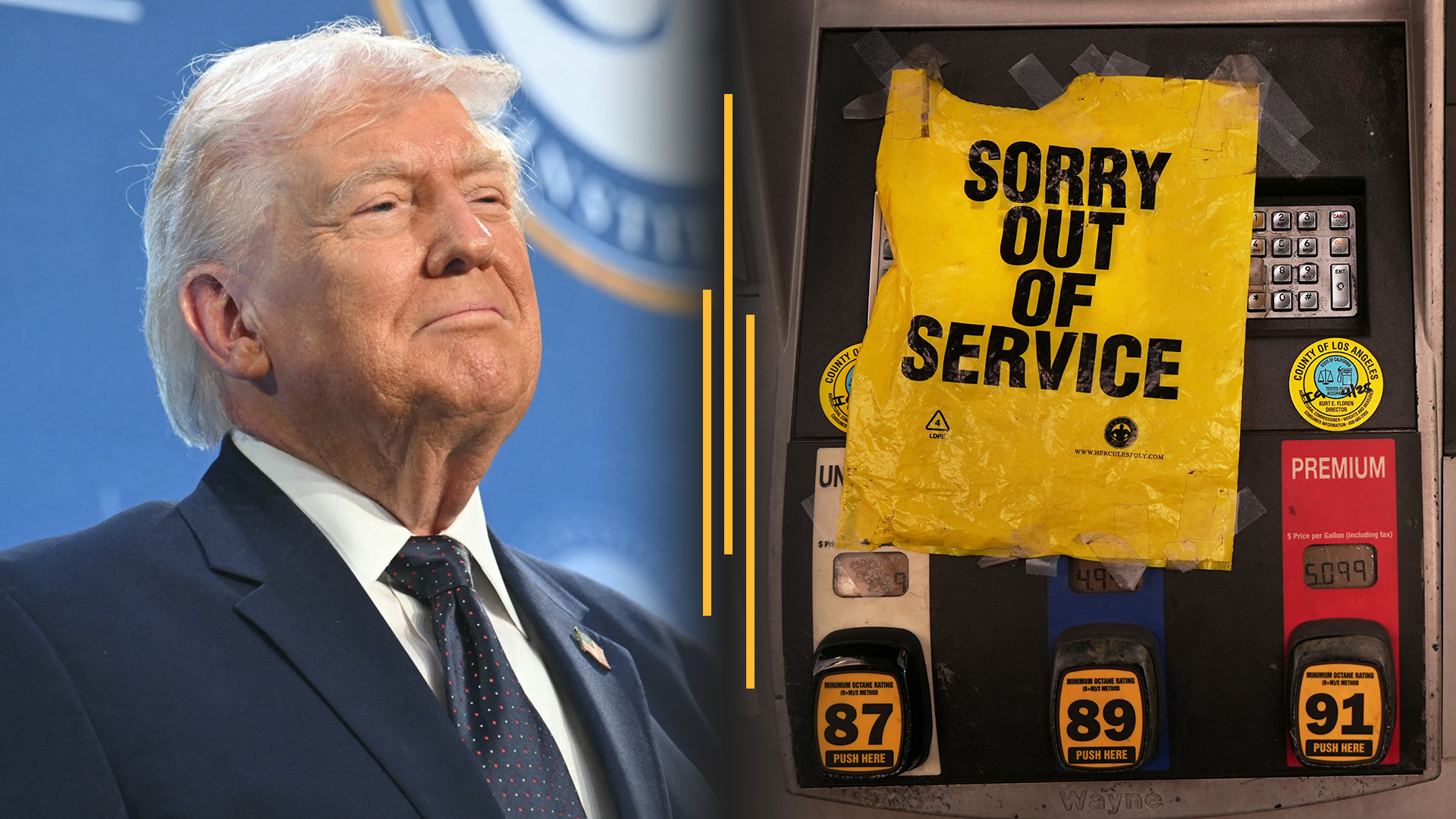
In the latest developments, President Donald Trump said the war involving Iran could end “soon,” while also warning that any Iranian move to disrupt oil shipments through the Strait of Hormuz would trigger a far more severe U.S. response. His remarks came as Iranian officials signaled they are prepared for a prolonged conflict and suggested regional pressure could expand if attacks continue.
The Strait of Hormuz remains one of the world’s most strategically important maritime chokepoints because a significant share of global oil exports passes through it. That is why Iran’s threat has implications well beyond the battlefield, affecting energy markets, shipping security and the broader global economy. Reuters has reported repeatedly that any sustained disruption in the waterway can quickly move crude prices and intensify geopolitical risk calculations among governments and investors alike. See Reuters Middle East coverage for ongoing updates.
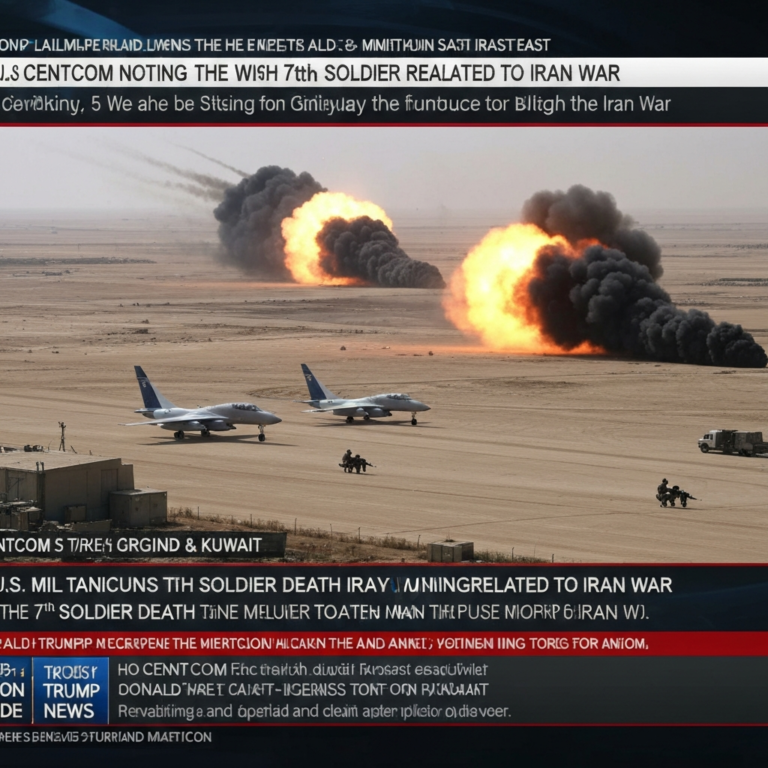
Fighting also continued on the ground and in the air. According to the RSS report and cited coverage from outlets including The Associated Press, missile and drone alerts sounded in Israeli cities while explosions were reported in and around Tehran during continued joint strikes. The human toll is drawing increasing scrutiny as verified video and satellite analysis published by The New York Times appeared to show blasts near schools in Iran, raising renewed questions about civilian risk, targeting decisions and the fog of war.
Why this story matters globally
This is not only a military story; it is also a global diplomacy, energy and humanitarian story. Three wider consequences stand out.
First, energy security: threats to shipping lanes in the Gulf can reverberate worldwide through oil and fuel prices. Analysis from the International Energy Agency and market reporting from Financial Times have long underscored how vulnerable global markets remain to disruptions in this region.
Second, diplomacy: both Washington and Tehran are sending conflicting signals. Trump has suggested the conflict may conclude quickly, but senior U.S. defense rhetoric has been more expansive, while Iranian officials have openly questioned whether diplomacy remains possible. That gap makes de-escalation harder because markets, allies and adversaries are all trying to interpret mixed messaging in real time.
Third, humanitarian fallout: the decision by Australia to grant asylum to members of Iran’s women’s national soccer team illustrates how armed conflict spills into sports, migration and civil liberties. Their refusal to sing the Iranian national anthem became a symbol of political dissent, and their asylum case highlights the risks faced by athletes and public figures caught between international visibility and domestic repression. For broader refugee context, see the UNHCR.
Context: a conflict with no easy off-ramp
The biggest question now is whether public claims of a short war are realistic or rhetorical. History suggests conflicts involving regional powers, proxy networks, shipping threats and domestic political pressure rarely end neatly. Even if the pace of direct strikes slows, the confrontation could continue through cyberattacks, proxy actions, covert operations, sanctions and economic retaliation.
That matters because leaders often define “end” differently. A government may mean the end of a specific bombing campaign, while markets and civilians experience an ongoing crisis through disrupted trade, insecurity and political instability. Coverage from CNN, BBC News and Al Jazeera points to the same unresolved issue: there is still no clearly defined diplomatic pathway acceptable to all sides.
For now, the story remains one of escalation risk. If Iran acts on threats to oil transit, the conflict could widen dramatically. If the U.S. and its allies continue strikes without a clear diplomatic channel, the war could settle into a dangerous pattern of retaliation. And if civilian harm mounts, international pressure could intensify even further.
In that sense, the latest headlines are not just about whether the war ends “soon.” They are about whether any side has a credible strategy for ending it at all.
Sources: Straight Arrow News; Associated Press; The New York Times; Reuters; UNHCR; IEA; BBC News; CNN; Al Jazeera.