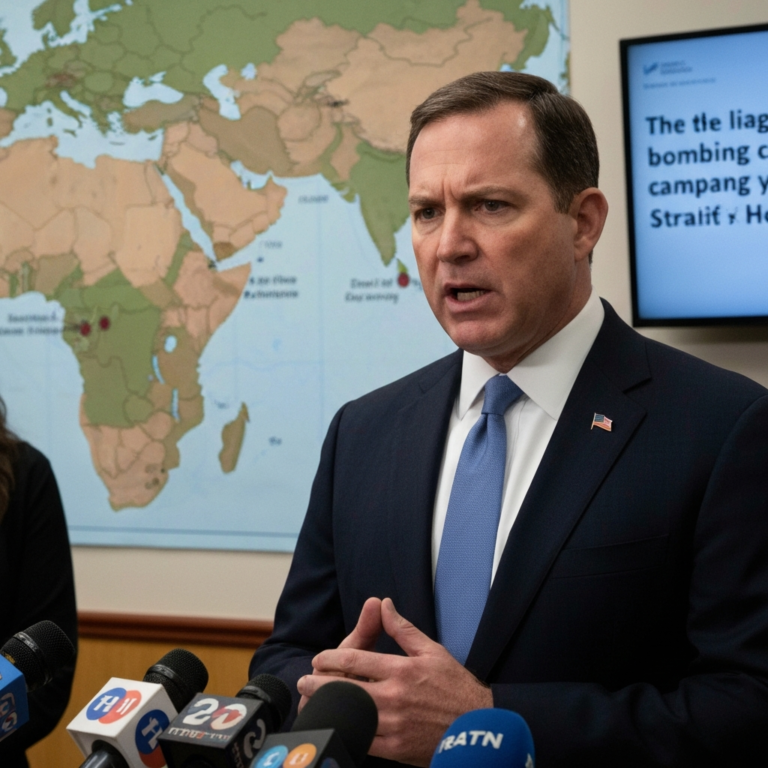




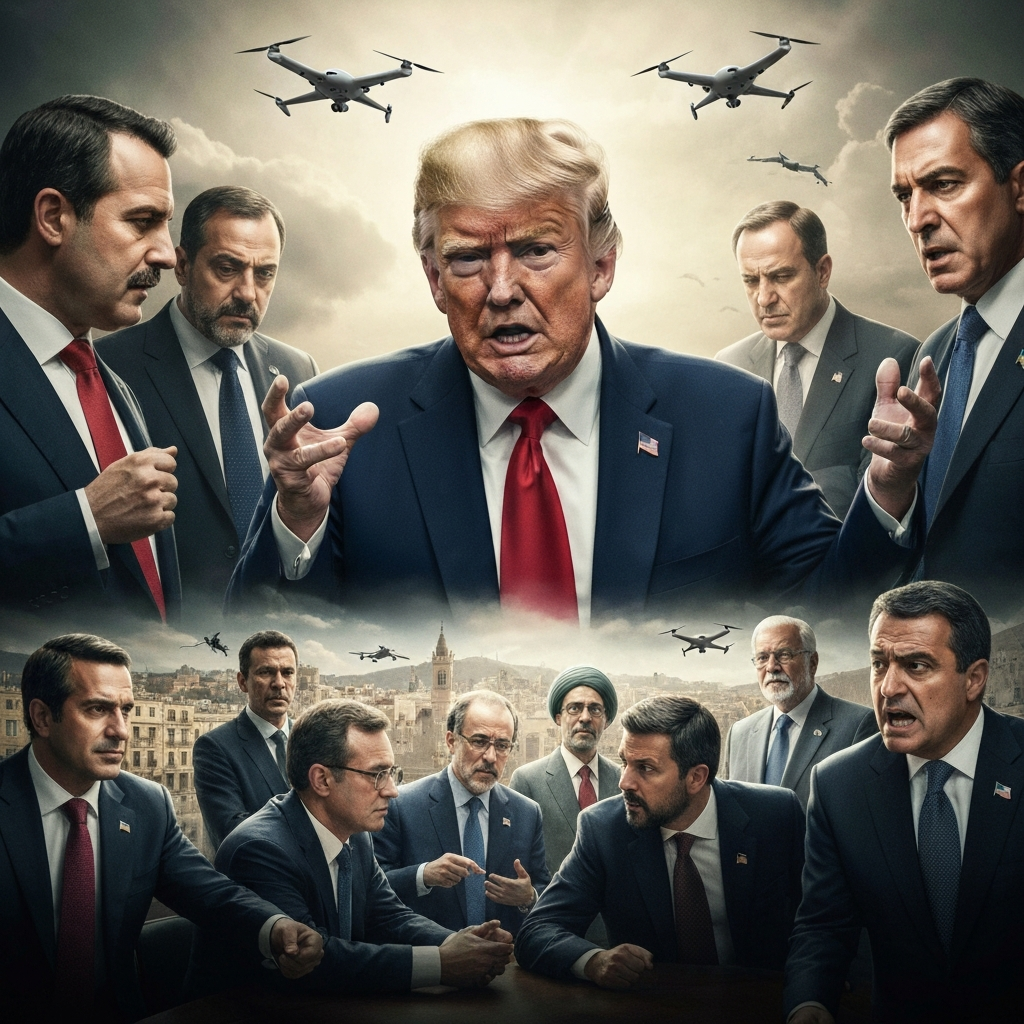
President Donald Trump’s call for the U.S. to help shape Iran’s next leadership comes as Israeli strikes in Iran and Lebanon intensify, pushing the Middle East closer to a broader regional confrontation. Given the dominant focus on Iran, Israel, Lebanon, U.S. policy and international fallout, this feed is best categorized as World.
Why this story fits the World category
Although the roundup includes U.S. political developments, its lead story and most consequential developments center on cross-border military action, regime change rhetoric, regional security, and international diplomacy. Those are core world affairs themes, especially because they involve multiple countries including Iran, Israel, Lebanon, Ukraine and the United States.
Latest developments: Iran succession, Israeli strikes and global fallout
The biggest international story remains the escalating conflict involving Iran and Israel, with the U.S. increasingly signaling it wants influence over what comes next in Tehran. In recent remarks, Trump said Iran’s current leadership should be removed and suggested Washington should have a voice in selecting a successor. That rhetoric arrived as Israel continued strikes on Iranian-linked and Hezbollah-linked targets, widening fears of a prolonged regional war.
Recent reporting from Reuters and BBC News has consistently shown that any instability in Iran’s leadership structure could reverberate far beyond the country’s borders, affecting oil markets, Gulf security, proxy militias, and U.S. alliances across the region. Coverage from Axios and NBC News also highlights how Trump’s comments represent a more explicit embrace of regime-change language than many recent administrations have used publicly.
Why the world is watching Tehran so closely
Iran is not just another flashpoint. It sits at the center of several overlapping global concerns: energy transit routes, proxy warfare, nuclear diplomacy, relations with Russia and China, and the security calculations of U.S. allies such as Israel and Saudi Arabia. Any uncertainty over who rules Iran next could trigger market volatility, military repositioning, and renewed diplomatic pressure at the United Nations.
According to background coverage from the Council on Foreign Relations, Iran’s political system blends clerical oversight, military influence and factional competition, making succession especially sensitive. If outside powers are seen as trying to influence that process directly, it could intensify nationalist backlash inside Iran even among citizens opposed to the current regime.
The drone war is reshaping alliances
Another important development is the growing interest in Ukraine’s low-cost interceptor drones to counter Iranian-designed Shahed drones. Reporting from ABC News suggests the U.S. and Gulf partners are examining whether Ukraine’s battlefield innovations can be adapted for Middle East defense. That is a notable shift: technology born from the Russia-Ukraine war is now influencing military planning in another major conflict zone.
This underscores a broader trend in global security. Wars are no longer isolated by geography. Tactics, weapons systems and defense doctrines now move rapidly from one theater to another. What was learned over Kyiv may now shape air defense around strategic sites in the Middle East.
Context: regime change talk carries risks
History suggests that public U.S. discussion of regime change can have unpredictable consequences. Analysts at institutions such as Brookings and Carnegie Endowment for International Peace have long warned that leadership collapse without a clear transition plan can deepen instability rather than resolve it. In Iran’s case, the risks would include factional violence, crackdowns by security forces, refugee flows, and a scramble among foreign powers to protect their interests.
That makes the current moment especially consequential. Trump’s remarks may energize some Iranian opposition voices abroad, but they could also complicate efforts to build international consensus if allies fear the endgame is unclear.
The bottom line
The latest news points to a dangerous convergence: escalating Israeli operations, uncertainty over Iran’s future leadership, expanding U.S. rhetoric, and the globalization of drone warfare. This is why the most appropriate category for the RSS post is World. The story is fundamentally about international conflict and the geopolitical consequences of who governs one of the Middle East’s most influential states.
Sources: