
Category selected: Pop Culture
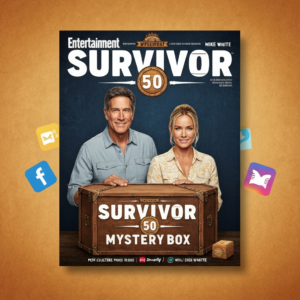
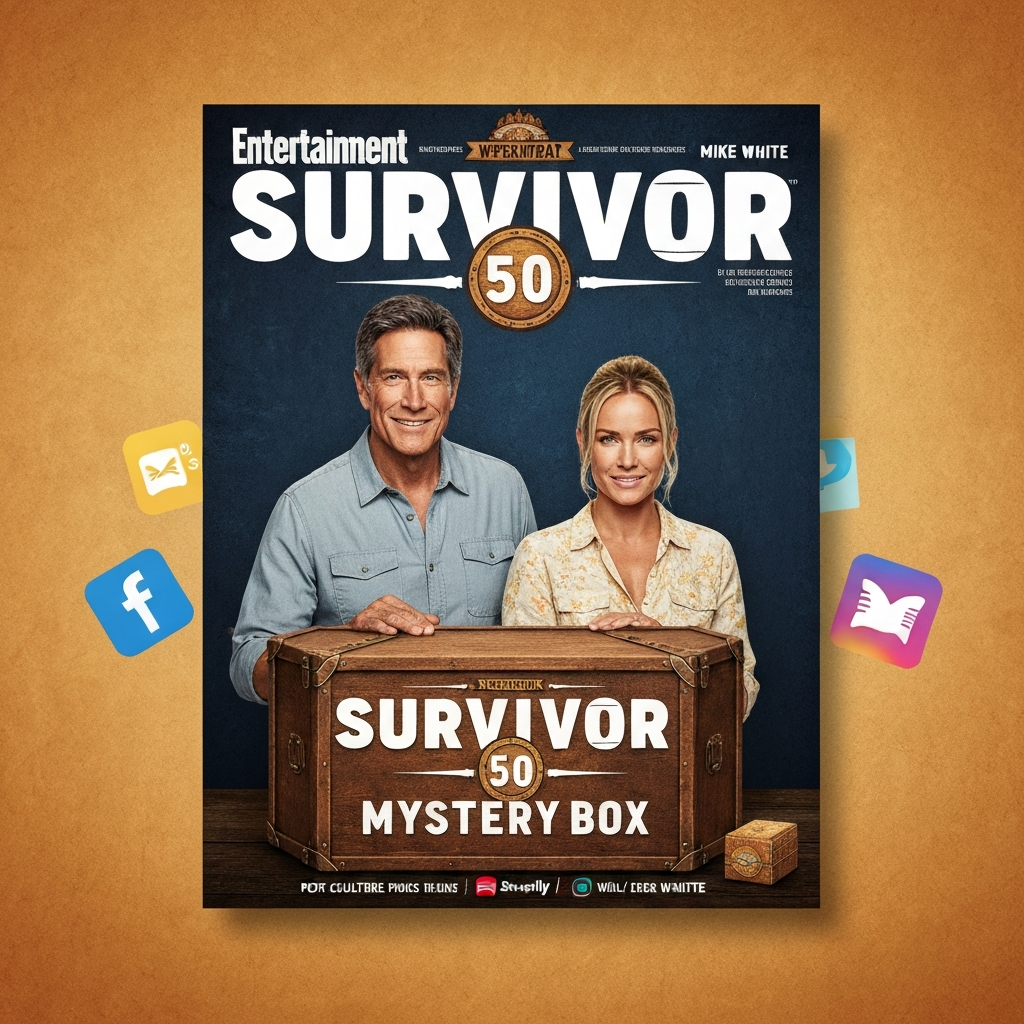
Survivor 50 remains firmly in the pop culture lane, and the latest Entertainment Weekly “Mystery Box” entry underscores why the long-running franchise still commands such intense fan attention. The piece centers on behind-the-scenes footage, cast moments, and commentary around CBS’s landmark season, making Pop Culture the best fit for this RSS item.
Latest Pop Culture News: Streaming and live events are reshaping entertainment in 2026
The broader pop culture story right now is not just about one hit reality show. It is about how major entertainment companies are rebalancing their businesses around streaming profitability, live programming, franchise TV, and advertising-supported viewing. In recent months, media companies have continued to emphasize franchise-driven content, event television, and lower-risk programming that can travel well across both linear and streaming platforms.
For example, Disney has continued to highlight the importance of its direct-to-consumer strategy in company updates and earnings materials, while also leaning heavily on recognizable brands across film, TV, and streaming ecosystems. The company’s investor relations reporting has repeatedly framed streaming discipline and franchise strength as central priorities. Disney Investor Relations
Warner Bros. Discovery has similarly stressed a strategy built around major IP, global streaming, and programming that can generate both fan engagement and advertiser appeal. Company releases and investor materials have emphasized the value of recognizable entertainment brands in a fragmented media market. Warner Bros. Discovery Investor Relations
Meanwhile, Netflix has continued to expand its live and unscripted ambitions alongside premium scripted fare, signaling that audience retention increasingly depends on must-watch cultural events rather than just deep libraries. The company’s newsroom and earnings communications have reflected that broader push into live experiences, sports-adjacent programming, reality formats, and global fandom-building content. Netflix Newsroom
Why ‘Survivor’ still matters in this environment
That industry backdrop helps explain why Survivor remains valuable. A long-running reality competition series offers something media executives increasingly want: a durable franchise, a built-in fan base, weekly conversation, relatively efficient production economics, and content that can generate clips, interviews, newsletters, podcasts, and social media engagement far beyond the episode itself.
The Entertainment Weekly item by Dalton Ross leans directly into that ecosystem. Rather than merely recapping an episode, it extends the life of the show through exclusive images, interview outtakes, cast observations, and production insights. That is now a core part of entertainment media strategy: turn one broadcast episode into a multi-platform content cycle.
CBS has long treated Survivor as one of its signature unscripted brands, and the continued promotional emphasis around milestone season 50 reflects how legacy TV hits can still function as event programming. Official series coverage from CBS reinforces that positioning through episode guides, cast features, and digital extras. CBS – Survivor
The bigger trend: fandom as a business model
One important takeaway from the latest Survivor 50 coverage is that fandom itself has become part of the product. Media companies and publishers are no longer simply selling viewers a show. They are selling an ongoing relationship with a show through newsletters, bonus videos, social clips, behind-the-scenes reporting, podcasts, and personality-driven commentary.
This helps explain why publications like Entertainment Weekly continue to invest in niche but passionate entertainment verticals. Franchise-specific reporting can drive repeat traffic and loyalty in a crowded media environment. It also gives fans what algorithms often cannot: expertise, access, and curation.
In that sense, the “Mystery Box” format is not just bonus content. It is a case study in modern pop culture publishing. One episode becomes an entire week of digital conversation, and every extra detail helps keep the franchise culturally alive between broadcasts.
Bottom line
The original RSS item belongs in Pop Culture because it is centered on a major reality TV franchise, celebrity-adjacent commentary, fan engagement, and entertainment media coverage. More broadly, it arrives at a moment when the entertainment industry is doubling down on exactly this kind of franchise-friendly, conversation-generating content. In 2026, the biggest pop culture winners are often not just the shows people watch, but the shows that can keep audiences talking all week long.
Sources: