


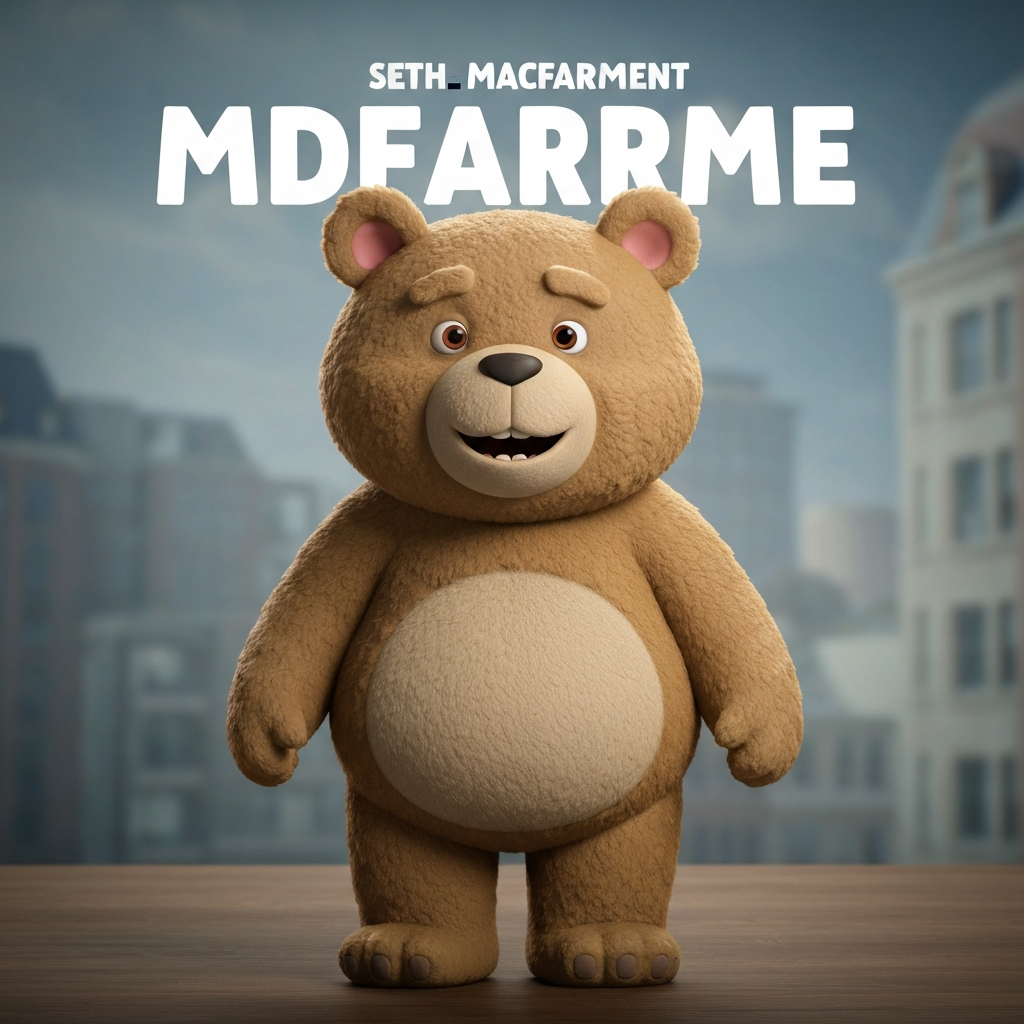
Seth MacFarlane’s latest comments about the future of Ted make one thing clear: even recognizable franchises can struggle to survive when production costs get too high. In remarks reported by Entertainment Weekly and TheWrap, MacFarlane said there is currently “no plan” for a third season of Peacock’s live-action Ted series because the show is simply too expensive to produce.
Why ‘Ted’ Season 3 appears unlikely
According to MacFarlane, Peacock and Universal indicated that the series’ visual-effects demands made it difficult to continue at a sustainable budget. The creator compared the workload to making “an Avengers movie every 22 minutes,” underscoring how much CGI is required not just to animate Ted, but to make the character feel present and performative in every scene. That challenge is unusual for television, where budgets remain tighter than for major theatrical releases.
The update matters because Ted had been a notable streaming extension of a known movie property. Based on the 2012 film, the series follows John and his foul-mouthed teddy bear companion in a prequel setting. But MacFarlane suggested the season 2 ending was written in a way that already boxed the creative team into a corner, making a straightforward continuation even harder.
A broader streaming industry reality
The possible end of Ted as a live-action series fits into a larger entertainment trend: streaming platforms are becoming much more selective about expensive scripted programming. In recent years, media companies have shifted from growth-at-all-costs strategies toward profitability and tighter spending discipline.
That pressure has been especially visible at Comcast’s NBCUniversal, Peacock’s parent company. In Comcast’s most recent quarterly updates, the company has continued emphasizing scale, advertising growth, and improved economics for Peacock while still managing content spending carefully. Comcast’s investor materials and earnings commentary have repeatedly highlighted the push to narrow streaming losses and improve long-term returns. See Comcast’s investor relations coverage here.
Across the broader media landscape, studios have also been rethinking how much they spend on franchise television. Disney, for example, has publicly discussed becoming more selective with Marvel and Star Wars output after investor concerns about costs and franchise saturation. Warner Bros. Discovery has similarly stressed financial discipline across streaming and content investment. Those shifts suggest that high-VFX shows now face a tougher path unless they deliver standout audience performance or strategic value.
The economics behind CGI-heavy TV
What makes Ted unusual is that its central character requires feature-film-style effects work in a TV production cycle. Visual effects in episodic television have advanced dramatically, but they still come with tradeoffs: longer postproduction schedules, bigger technical teams, and a limited ability to cheaply scale output. As audience expectations rise, especially for franchise-based streaming shows, the cost of maintaining cinematic quality can become a make-or-break issue.
Industry reporting from outlets including Variety, The Hollywood Reporter, and Deadline has consistently shown that streamers are under pressure to balance prestige programming with sustainable margins. Shows that require extensive digital character work are particularly vulnerable in that environment.
What happens next for the franchise
Even if the live-action version does not return for a third season, the Ted brand is not disappearing. As noted by Entertainment Weekly, Peacock previously announced an animated spinoff featuring returning cast members from the original film franchise. That may prove to be the more practical path forward. Animation can still be expensive, but it often gives studios more flexibility than a hybrid live-action/CGI format built around a constantly rendered lead character.
From a business standpoint, that pivot would make sense. Studios increasingly want recognizable intellectual property that can travel across formats, but they also want production models that are easier to control. If Ted continues as animation, it would reflect a growing industry preference for lower-risk franchise expansion.
Why this story matters beyond one comedy series
The Ted update is ultimately about more than one raunchy comedy. It is another sign that the streaming era has entered a more disciplined phase. Big-name creators and familiar IP can still attract attention, but that is no longer enough on its own. The question media companies now ask is not just whether a show is popular, but whether it is efficient enough to justify its price tag.
MacFarlane’s blunt explanation offers a rare behind-the-scenes look at that reality. In an earlier phase of the streaming wars, a show like Ted might have been renewed as part of a platform’s push for subscriber growth and buzz. In 2026, the math appears less forgiving.
Sources: Entertainment Weekly; TheWrap; Comcast Investor Relations; Variety; The Hollywood Reporter; Deadline.